
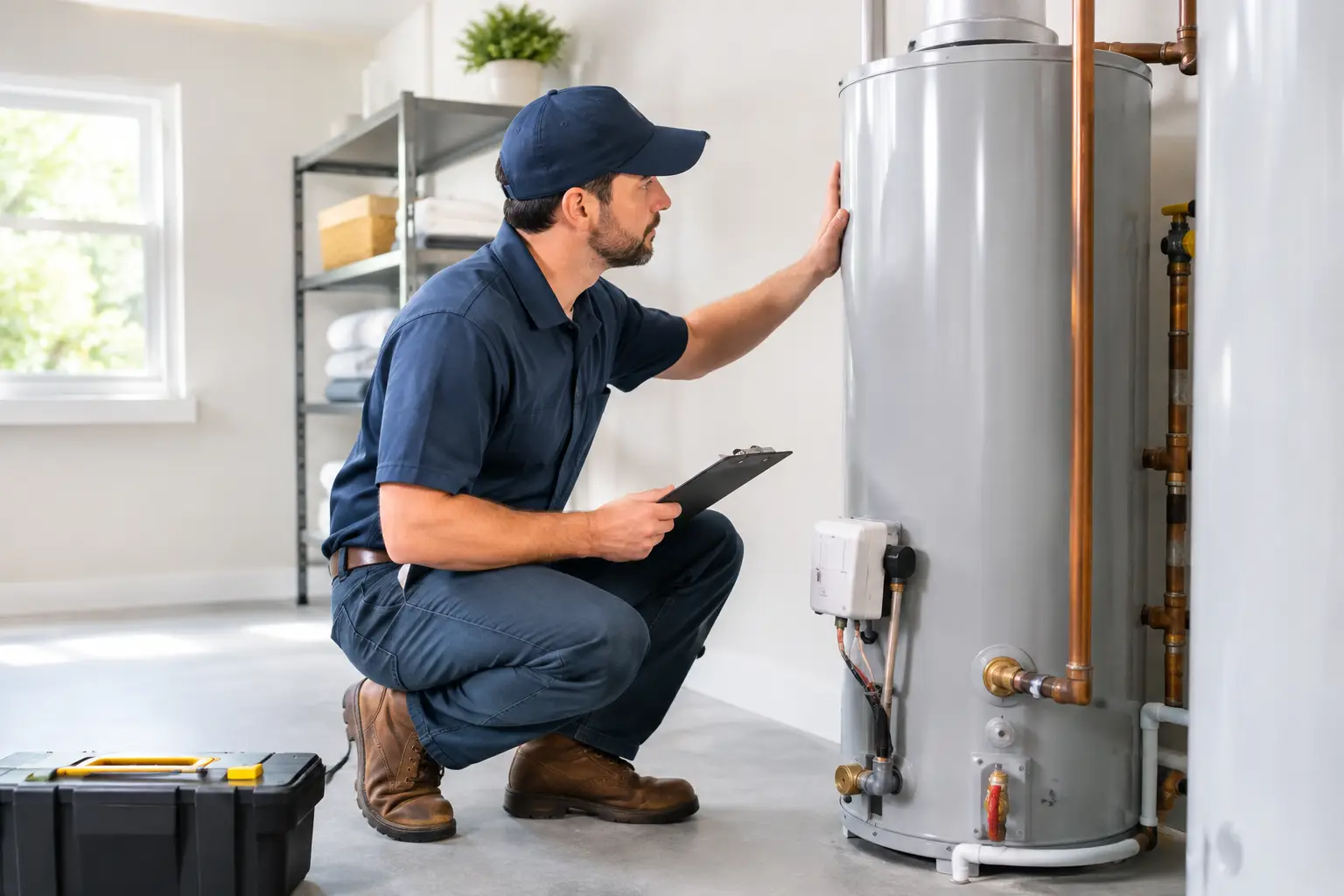
A water heater rarely fails at a convenient time. It tends to happen on a cold morning, before guests arrive, or just as a busy household needs showers, laundry, and dishes done. Smart water heater replacement timing means looking beyond whether you have hot water today and recognizing when an aging unit is becoming a risk to your home, comfort, and budget.
For many homeowners, replacing a working water heater can feel premature. But waiting until a tank leaks or the burner fails can turn a planned upgrade into an emergency call. A little planning gives you more control over the equipment, installation schedule, and cost.
Start With Your Water Heater’s Age
Age is the most useful starting point when deciding whether to repair or replace a water heater. A conventional tank-style water heater often lasts about 8 to 12 years, although water quality, maintenance, installation quality, and household demand all affect its life span. Tankless units can last longer, often 15 to 20 years with proper maintenance.
Check the label or serial number to identify the manufacture date. If a tank water heater is approaching its tenth year, it deserves closer attention even if it is still producing hot water. This does not mean every 10-year-old heater needs immediate replacement. It does mean you should prepare for the possibility that a repair may not be the best long-term investment.
Homes in Northwest Connecticut can place extra demands on water heaters during colder months. Incoming groundwater is colder in winter, so the system has to work harder to raise water to a comfortable temperature. An older unit that seems adequate in summer may struggle once winter arrives.
Signs Your Timing Should Move Up
A water heater does not have to stop working completely to signal trouble. Some warning signs call for a prompt professional evaluation, especially when the system is older.
Rust-colored water from the hot side of the faucet can indicate corrosion inside the tank or deterioration in connected piping. Rumbling, popping, or banging sounds may point to sediment buildup at the bottom of the tank. That sediment makes the heater work harder, reduces efficiency, and can contribute to overheating and tank damage.
Small leaks also deserve immediate attention. Moisture around fittings may be repairable, but water collecting beneath the tank can be a more serious concern. Once the steel tank itself begins leaking, replacement is generally the only dependable solution. A tank rupture can damage flooring, finished basements, stored belongings, and nearby equipment.
Other signs include inconsistent water temperature, a reduced supply of hot water, rising utility bills, repeated pilot or ignition problems, and repairs that keep returning. One isolated issue on a newer unit may be worth fixing. Several issues on an older heater usually change the math.
Repair or Replacement: The Decision Depends
There is no single age or repair price that applies to every home. The right choice depends on the condition of your heater and what the repair will realistically accomplish.
A repair often makes sense when the water heater is relatively new and the problem is limited to a replaceable component, such as a thermostat, heating element, pressure-relief valve, igniter, or thermocouple. A qualified technician can diagnose the issue and explain the expected cost before work begins.
Replacement becomes more practical when the tank is leaking, corrosion is widespread, performance has declined, or the unit is near the end of its expected service life. It may also be the better choice when a major repair costs a meaningful portion of a new installation. Continuing to repair an aging tank can delay replacement, but it can also leave you paying for a system that remains inefficient and unreliable.
For homeowners who want straightforward answers, ask two questions: Will this repair address the underlying problem, and how much useful life should we reasonably expect afterward? Those answers are more valuable than simply choosing the lowest immediate price.
Why Planned Water Heater Replacement Timing Saves Stress
A planned replacement gives your household options that an emergency usually does not. You can choose the right tank capacity or tankless model, compare fuel and efficiency options, consider available financing, and schedule the work around your family’s routine.
It also gives you time to correct issues that may affect the new system. For example, hard water can accelerate sediment buildup. Private well systems may have water-quality conditions that affect equipment performance. An experienced plumbing professional can identify whether water treatment, expansion control, venting updates, gas-line capacity, or electrical improvements should be considered alongside the replacement.
Waiting for total failure can narrow those choices. If a leaking tank is actively damaging your home, restoring hot water quickly becomes the priority. Same-day service can help in that situation, but planned work is still easier on your schedule and typically less stressful overall.
Choosing the Right Replacement for Your Home
A new water heater should match your household’s real hot-water needs, not just the size of the old unit. A family with multiple bathrooms, teenagers taking long showers, a large soaking tub, or frequent laundry use may need a different setup than a one- or two-person household.
Conventional Tank Water Heaters
Tank water heaters store a set amount of heated water and are familiar, dependable, and often less expensive to install than tankless options. The key is selecting the proper capacity and recovery rate. A larger tank is not always the answer if the heater cannot recover quickly enough during periods of high use.
Tankless Water Heaters
Tankless systems heat water as it flows, which can reduce standby energy loss and provide a continuous supply when properly sized. They are a strong option for some homes, but they are not automatically the best option for every household. Installation may require changes to gas piping, venting, or electrical service, and correct sizing is essential in Connecticut’s cold-water conditions.
A professional assessment should account for how many fixtures may run at once, your fuel source, available installation space, water quality, and future household plans. The best unit is the one that delivers dependable hot water without overspending on capacity you will not use.
Do Not Ignore Safety Issues
Water heaters involve scalding temperatures, pressurized water, fuel connections, combustion, venting, and electrical components. A gas smell, a damaged vent pipe, soot around a gas unit, repeated shutoffs, a tripped breaker, or water near electrical connections should be treated as a service concern, not a DIY project.
The temperature and pressure relief valve is another critical safety component. It is designed to release pressure if conditions inside the tank become unsafe. Never cap, plug, or disable it. If the valve is leaking or the discharge pipe is damaged, have it inspected promptly.
A Practical Plan Before the Heater Fails
If your water heater is more than eight years old, take a few minutes to locate its age, note its fuel type and capacity, and look for visible rust, moisture, or corrosion. Pay attention to changes in performance rather than waiting for a complete loss of hot water.
Annual maintenance can also help extend service life. For tank models, that may include checking the anode rod, inspecting safety components, and addressing sediment where appropriate. Tankless systems need periodic flushing and maintenance, particularly where mineral content can affect internal components.
When it is time to compare repair and replacement options, a clear diagnosis and upfront price make the decision easier. Escape Plumbing & Heating helps homeowners assess aging water heaters, identify the cause of performance problems, and install dependable replacement systems without pricing surprises.
The best time to replace a water heater is often while it can still provide hot water long enough for you to make a calm, informed decision. Planning now can protect your home from a leak and keep your household comfortable when the next cold morning arrives.