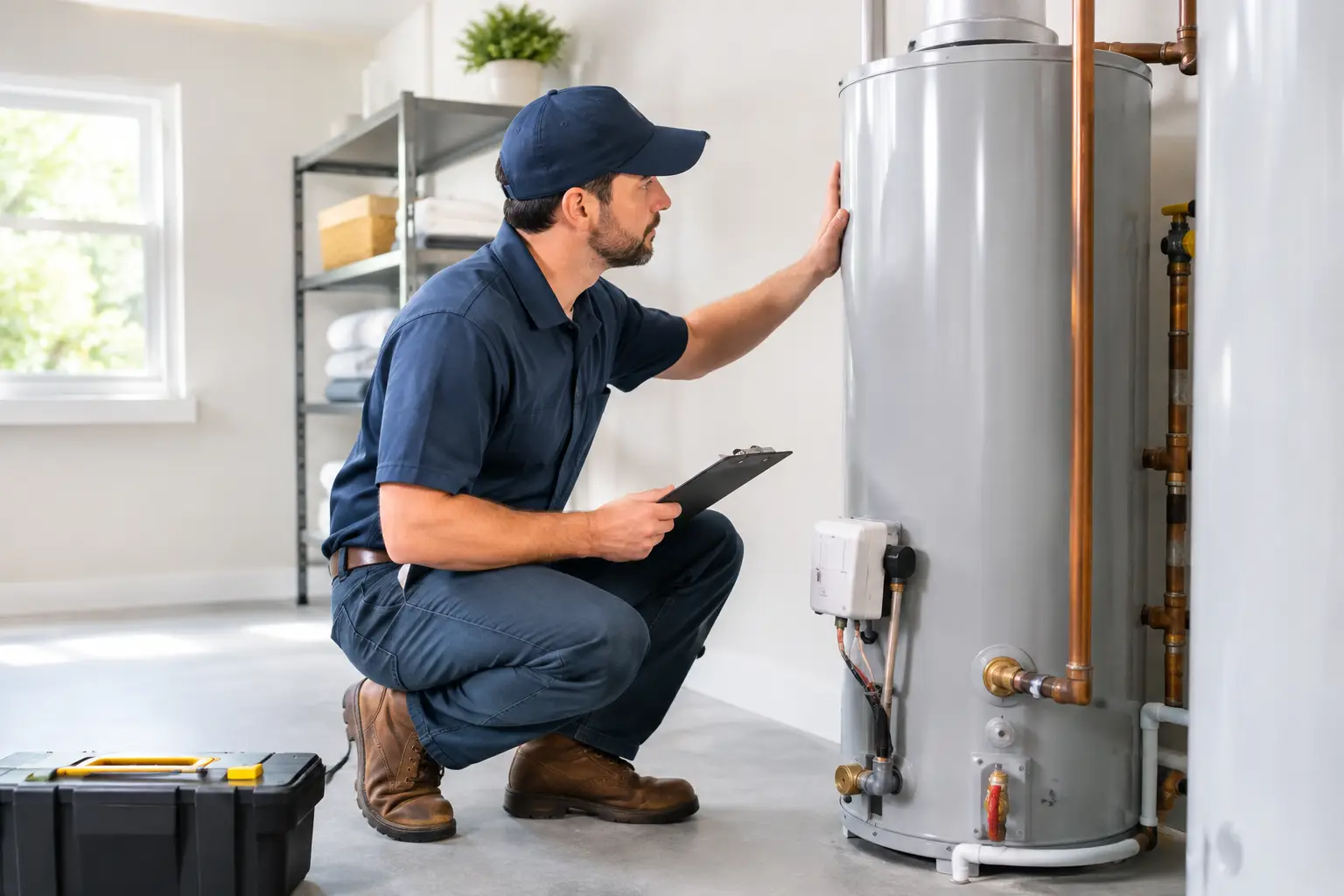
When Water Heater Replacement Timing Matters

When Water Heater Replacement Timing Matters

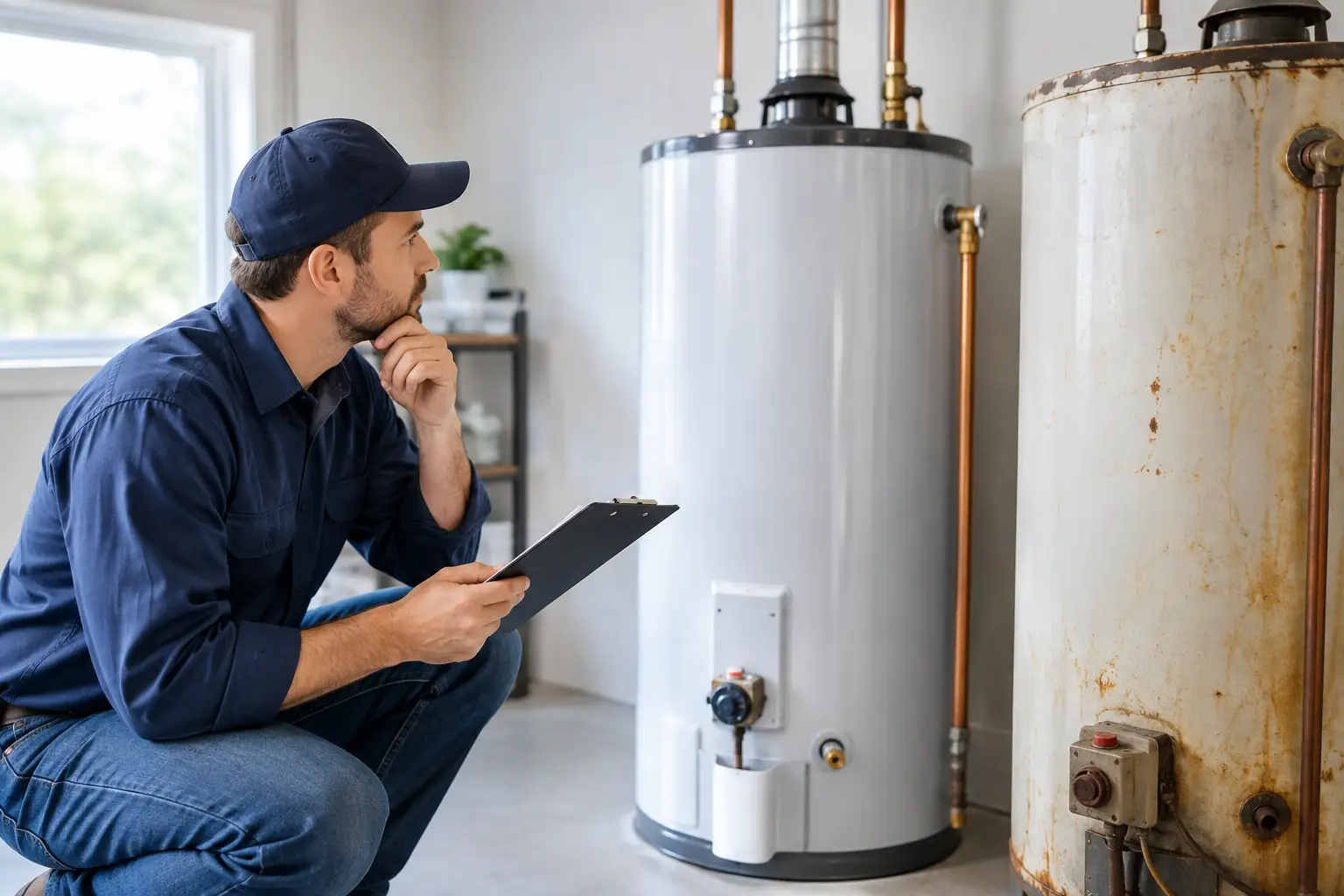
A water heater rarely fails at a convenient time. It tends to happen on a cold morning, before guests arrive, or just as a busy household needs showers, laundry, and dishes done. Smart water heater replacement timing means looking beyond whether you have hot water today and recognizing when an aging unit is becoming a risk to your home, comfort, and budget.

For many homeowners, replacing a working water heater can feel premature. But waiting until a tank leaks or the burner fails can turn a planned upgrade into an emergency call. A little planning gives you more control over the equipment, installation schedule, and cost.

Start With Your Water Heater’s Age

Age is the most useful starting point when deciding whether to repair or replace a water heater. A conventional tank-style water heater often lasts about 8 to 12 years, although water quality, maintenance, installation quality, and household demand all affect its life span. Tankless units can last longer, often 15 to 20 years with proper maintenance.

Check the label or serial number to identify the manufacture date. If a tank water heater is approaching its tenth year, it deserves closer attention even if it is still producing hot water. This does not mean every 10-year-old heater needs immediate replacement. It does mean you should prepare for the possibility that a repair may not be the best long-term investment.

Homes in Northwest Connecticut can place extra demands on water heaters during colder months. Incoming groundwater is colder in winter, so the system has to work harder to raise water to a comfortable temperature. An older unit that seems adequate in summer may struggle once winter arrives.

Signs Your Timing Should Move Up

A water heater does not have to stop working completely to signal trouble. Some warning signs call for a prompt professional evaluation, especially when the system is older.

Rust-colored water from the hot side of the faucet can indicate corrosion inside the tank or deterioration in connected piping. Rumbling, popping, or banging sounds may point to sediment buildup at the bottom of the tank. That sediment makes the heater work harder, reduces efficiency, and can contribute to overheating and tank damage.

Small leaks also deserve immediate attention. Moisture around fittings may be repairable, but water collecting beneath the tank can be a more serious concern. Once the steel tank itself begins leaking, replacement is generally the only dependable solution. A tank rupture can damage flooring, finished basements, stored belongings, and nearby equipment.

Other signs include inconsistent water temperature, a reduced supply of hot water, rising utility bills, repeated pilot or ignition problems, and repairs that keep returning. One isolated issue on a newer unit may be worth fixing. Several issues on an older heater usually change the math.

Repair or Replacement: The Decision Depends

There is no single age or repair price that applies to every home. The right choice depends on the condition of your heater and what the repair will realistically accomplish.

A repair often makes sense when the water heater is relatively new and the problem is limited to a replaceable component, such as a thermostat, heating element, pressure-relief valve, igniter, or thermocouple. A qualified technician can diagnose the issue and explain the expected cost before work begins.

Replacement becomes more practical when the tank is leaking, corrosion is widespread, performance has declined, or the unit is near the end of its expected service life. It may also be the better choice when a major repair costs a meaningful portion of a new installation. Continuing to repair an aging tank can delay replacement, but it can also leave you paying for a system that remains inefficient and unreliable.

For homeowners who want straightforward answers, ask two questions: Will this repair address the underlying problem, and how much useful life should we reasonably expect afterward? Those answers are more valuable than simply choosing the lowest immediate price.

Why Planned Water Heater Replacement Timing Saves Stress

A planned replacement gives your household options that an emergency usually does not. You can choose the right tank capacity or tankless model, compare fuel and efficiency options, consider available financing, and schedule the work around your family’s routine.

It also gives you time to correct issues that may affect the new system. For example, hard water can accelerate sediment buildup. Private well systems may have water-quality conditions that affect equipment performance. An experienced plumbing professional can identify whether water treatment, expansion control, venting updates, gas-line capacity, or electrical improvements should be considered alongside the replacement.

Waiting for total failure can narrow those choices. If a leaking tank is actively damaging your home, restoring hot water quickly becomes the priority. Same-day service can help in that situation, but planned work is still easier on your schedule and typically less stressful overall.

Choosing the Right Replacement for Your Home

A new water heater should match your household’s real hot-water needs, not just the size of the old unit. A family with multiple bathrooms, teenagers taking long showers, a large soaking tub, or frequent laundry use may need a different setup than a one- or two-person household.

Conventional Tank Water Heaters

Tank water heaters store a set amount of heated water and are familiar, dependable, and often less expensive to install than tankless options. The key is selecting the proper capacity and recovery rate. A larger tank is not always the answer if the heater cannot recover quickly enough during periods of high use.

Tankless Water Heaters

Tankless systems heat water as it flows, which can reduce standby energy loss and provide a continuous supply when properly sized. They are a strong option for some homes, but they are not automatically the best option for every household. Installation may require changes to gas piping, venting, or electrical service, and correct sizing is essential in Connecticut’s cold-water conditions.

A professional assessment should account for how many fixtures may run at once, your fuel source, available installation space, water quality, and future household plans. The best unit is the one that delivers dependable hot water without overspending on capacity you will not use.

Do Not Ignore Safety Issues

Water heaters involve scalding temperatures, pressurized water, fuel connections, combustion, venting, and electrical components. A gas smell, a damaged vent pipe, soot around a gas unit, repeated shutoffs, a tripped breaker, or water near electrical connections should be treated as a service concern, not a DIY project.

The temperature and pressure relief valve is another critical safety component. It is designed to release pressure if conditions inside the tank become unsafe. Never cap, plug, or disable it. If the valve is leaking or the discharge pipe is damaged, have it inspected promptly.

A Practical Plan Before the Heater Fails

If your water heater is more than eight years old, take a few minutes to locate its age, note its fuel type and capacity, and look for visible rust, moisture, or corrosion. Pay attention to changes in performance rather than waiting for a complete loss of hot water.

Annual maintenance can also help extend service life. For tank models, that may include checking the anode rod, inspecting safety components, and addressing sediment where appropriate. Tankless systems need periodic flushing and maintenance, particularly where mineral content can affect internal components.

When it is time to compare repair and replacement options, a clear diagnosis and upfront price make the decision easier. Escape Plumbing & Heating helps homeowners assess aging water heaters, identify the cause of performance problems, and install dependable replacement systems without pricing surprises.

The best time to replace a water heater is often while it can still provide hot water long enough for you to make a calm, informed decision. Planning now can protect your home from a leak and keep your household comfortable when the next cold morning arrives.
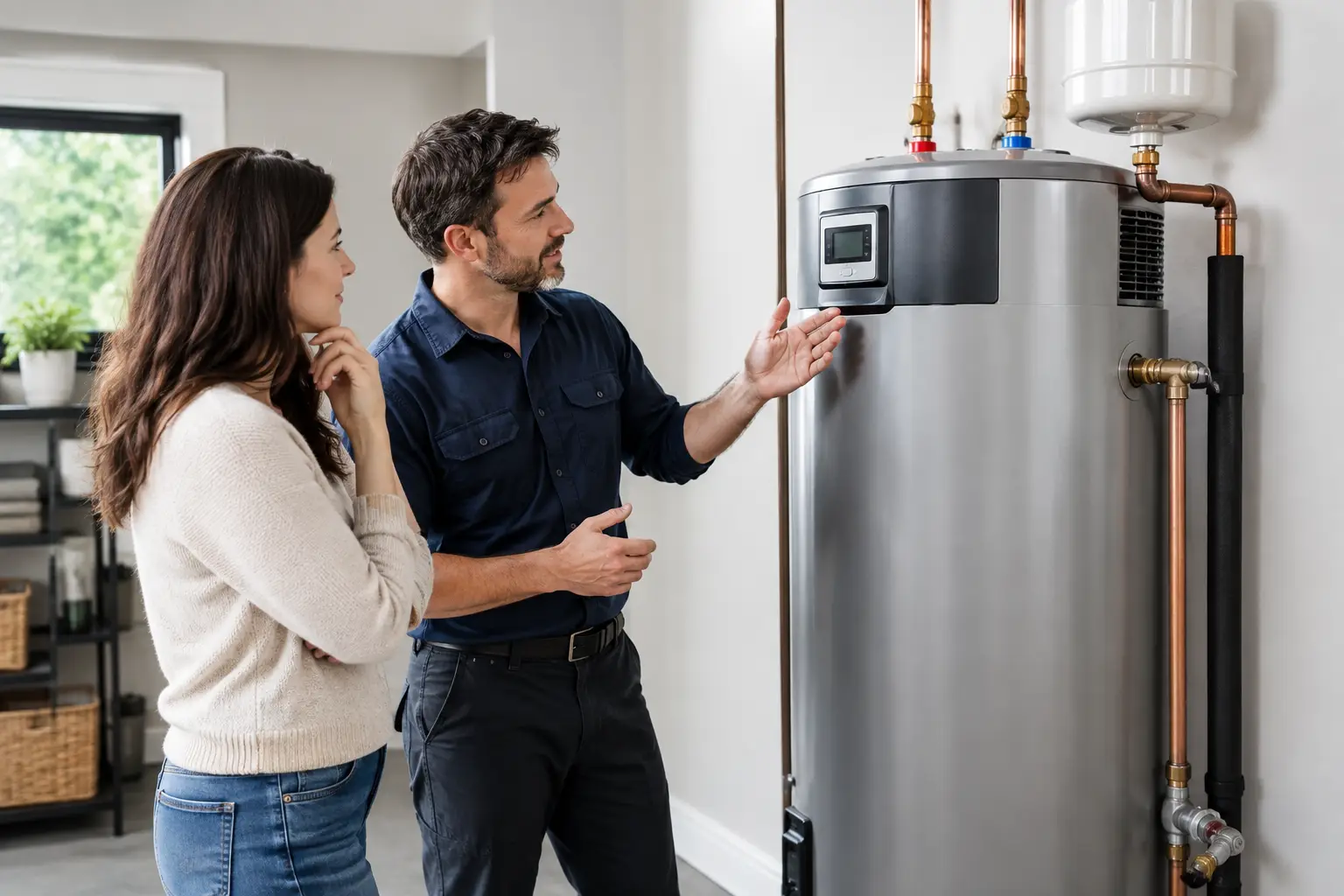
Hidden Leak Signs Homeowners Should Never Ignore

Hidden Leak Signs Homeowners Should Never Ignore

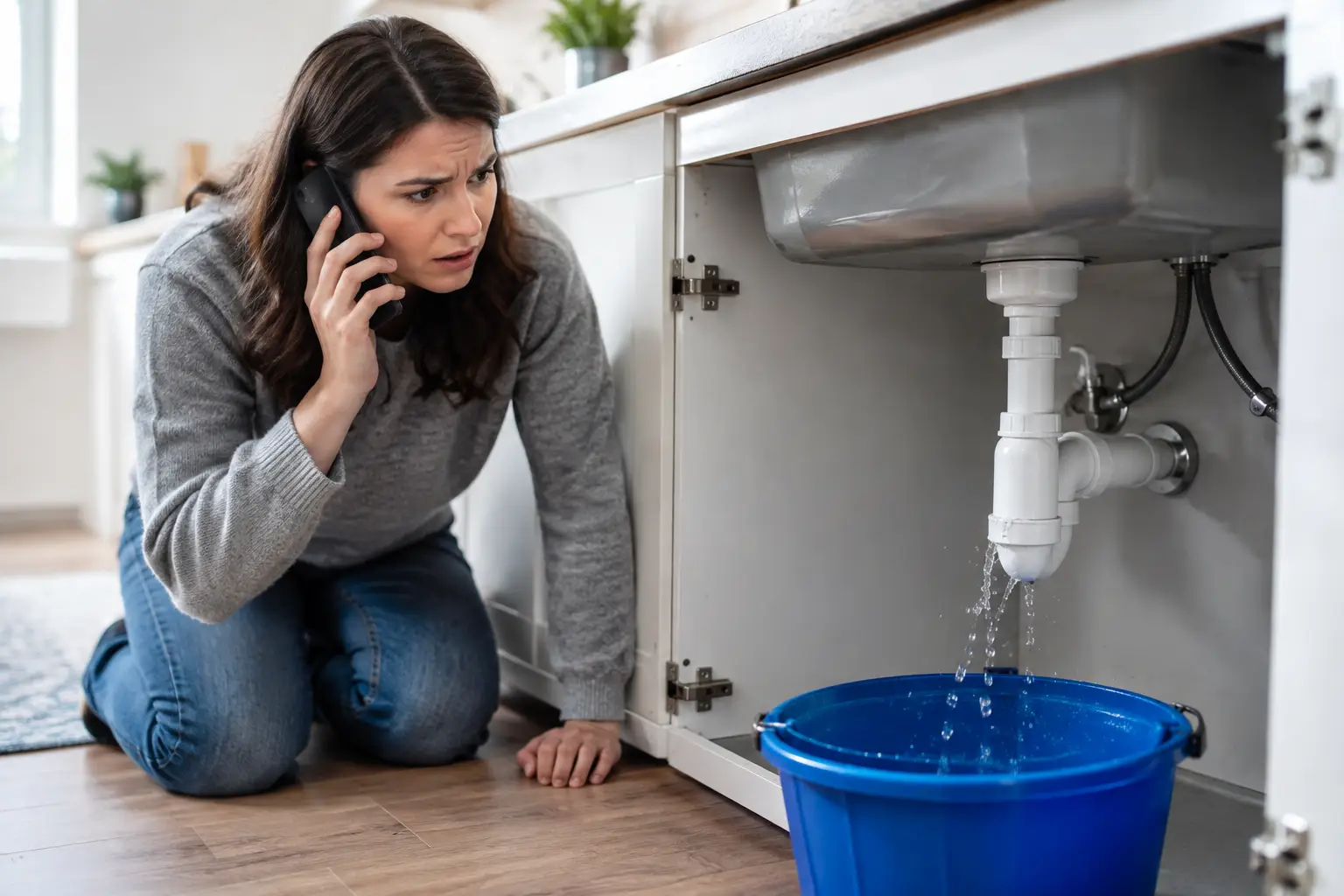
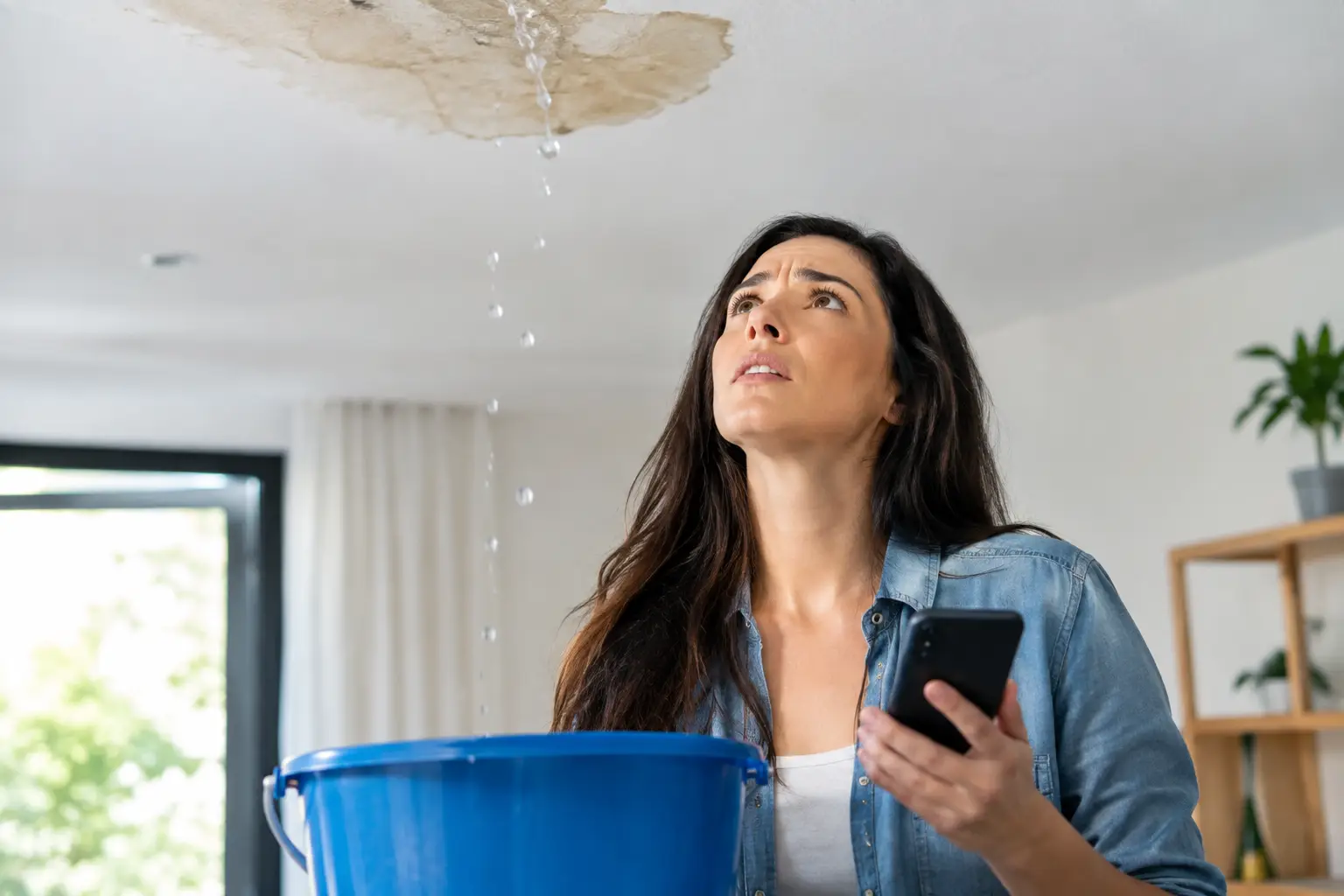
A hidden plumbing leak rarely announces itself with a dramatic burst pipe. More often, it starts with a water bill that feels a little high, a faint musty smell in the hall, or a patch of flooring that suddenly feels different underfoot. Catching hidden leak signs early can protect your home from expensive water damage, mold growth, damaged finishes, and avoidable disruptions.

For homeowners in Northwest Connecticut, small leaks deserve prompt attention. Seasonal temperature changes, older plumbing, private well systems, finished basements, and concealed pipes all create places where water can escape unnoticed. The goal is not to panic over every damp spot. It is to know which changes call for a professional diagnosis.

Hidden Leak Signs That Need Attention

Your water bill rises without a clear reason

A higher water bill is often one of the first clues. If your household routine has not changed but water use has climbed, water may be running somewhere it should not. A toilet that continues filling, a dripping fixture, or a leak in a supply line can waste a surprising amount of water over a month.

If your home uses a private well, listen for the well pump cycling more often than usual. Frequent cycling may point to a leak in the plumbing system, a pressure tank issue, or another problem affecting your water supply. Because well systems work differently from municipal water systems, it is especially helpful to have the cause identified rather than guessing.

The water meter moves when everything is off

Your water meter can provide a useful check. Turn off faucets, appliances that use water, irrigation, and ice makers. Then look at the meter and avoid using water for an hour or two. If the meter changes, water is likely moving through the system.

This test can confirm that a leak may be present, but it cannot tell you where it is or how serious it has become. A plumber can isolate sections of the system, inspect accessible piping, and use diagnostic methods to locate the source with less disruption to your home.

Stains, bubbling paint, or peeling finishes appear

Water does not always drip directly into view. It may travel along framing, pipes, or drywall before appearing on a wall or ceiling far from the original leak. Yellow or brown ceiling stains, bubbling paint, peeling wallpaper, soft drywall, and swollen trim are all warning signs.

Do not assume an old-looking stain is harmless. If it feels damp, grows larger, or returns after you repaint it, moisture may still be active behind the surface. The longer water remains trapped, the greater the chance of structural damage and mold.

Floors begin to warp, buckle, or feel soft

Wood flooring can cup or warp when it absorbs moisture. Vinyl may lift at the seams, and tile can loosen if water damages the subfloor beneath it. Carpet that feels damp around the edges, especially near a bathroom, laundry room, kitchen, or basement, also deserves attention.

A soft spot in the floor is more urgent. It may mean water has weakened the material below. Avoid repeatedly walking on the area until the source has been checked, particularly if the leak may be near electrical wiring or a fixture connection.

You smell mildew but cannot find the source

A persistent musty odor is not just a cleaning issue. It can indicate moisture inside a wall, below flooring, behind cabinetry, or in a basement area with poor airflow. Bathrooms and laundry spaces naturally experience humidity, but a smell that lingers after the room dries out is different.

Mold can begin growing quickly when materials stay wet. The right next step is to find and stop the moisture source, then address the affected materials as needed. Covering the odor with air fresheners does not solve the problem.

Water pressure suddenly changes

A small drop in water pressure can have simple causes, such as mineral buildup in a showerhead. But when pressure falls throughout the home, fluctuates unexpectedly, or is paired with other leak symptoms, it may indicate a problem with a main water line, well equipment, or concealed plumbing.

Water pressure changes should be evaluated in context. One weak faucet is usually a localized issue. Multiple weak fixtures, discolored water, a running well pump, or wet areas in the yard point to a larger concern.

Warm spots, cold spots, or damp areas show up unexpectedly

A warm area on a slab floor can sometimes signal a hot-water line leak. A cold, damp patch may indicate moisture beneath flooring or behind a wall. These changes are easy to overlook because they can feel minor at first, especially in a busy home.

Pay attention to locations near water heaters, bathrooms, kitchen sinks, washing machines, and utility rooms. Also check walls and floors adjacent to plumbing fixtures, not just directly underneath them. Water can travel before it becomes visible.

Signs of a Hidden Leak Outside Your Home

Not every concealed leak is indoors. A damaged underground water line can waste water, affect pressure, and saturate soil long before a homeowner sees a dramatic change.

Watch for a patch of grass that stays unusually green, muddy, or fast-growing when the surrounding lawn is dry. Puddles near the foundation, a consistently wet area in the yard, or water pooling around an outdoor spigot can also point to a supply-line issue. In colder weather, unexplained icy areas may be a clue.

Sewer line problems can create a different set of symptoms. Slow drains in more than one fixture, gurgling toilets, sewage odors, or damp ground near the sewer line should be handled promptly. A sewer video inspection can help identify cracks, root intrusion, offsets, or blockages without unnecessary excavation.

What to Do When You Suspect a Leak

Start by limiting further damage. If water is actively flowing, turn off the fixture’s local shutoff valve when possible. If you cannot isolate the leak, shut off the home’s main water supply. Every homeowner should know where that valve is before an emergency occurs.

Move rugs, boxes, furniture, and other belongings away from wet areas. If a ceiling is sagging or water is near outlets, light fixtures, or electrical panels, keep clear of the area and call for professional help right away. Do not cut into walls or ceilings simply to search for the leak. That can create unnecessary damage and may not reach the true source.

Take a few photos of visible staining, wet areas, or meter readings. They can help document changes and may be useful for an insurance claim. Then schedule a plumbing inspection as soon as possible. Fast diagnosis matters because a small pinhole leak or failed connection can worsen quietly behind finished surfaces.

Why Professional Leak Detection Is Worth It

Some leaks are easy to see and repair. Others require a methodical approach. A professional plumber can assess your water use, inspect fixtures and exposed pipes, test pressure, and determine whether the problem is in a water line, drain line, appliance connection, water heater, well system, or sewer pipe.

The trade-off is simple: waiting may seem less disruptive today, but hidden water damage is rarely less expensive tomorrow. An accurate diagnosis helps avoid replacing drywall, flooring, or cabinetry before the source has been corrected. It also helps prevent repeat repairs caused by treating a symptom instead of the actual plumbing failure.

For homeowners dealing with unexplained moisture, rising water use, or water pressure changes, Escape Plumbing & Heating provides prompt, straightforward plumbing service designed to find the issue and restore confidence in your home’s water system.

If something in your home feels off, trust that instinct. A quick call when the first clue appears can keep a hidden leak from becoming the repair you wish you had caught sooner.

Water Heater Upgrades That Pay Off at Home

Water Heater Upgrades That Pay Off at Home

A water heater can seem perfectly fine right up until the morning no one gets a hot shower. For many homeowners, the best time to consider water heater upgrades is before a leak, burner failure, or cold-water surprise forces a rushed decision. A planned upgrade gives you time to choose the right system for your household, understand the installation needs, and protect your budget.

The right choice is not always the largest unit or the newest technology. It depends on how much hot water your home uses, the fuel available, the space around the equipment, your water quality, and how long you plan to stay in the home. In Northwest Connecticut, those details matter – especially in homes with private wells, hard water, older venting, or busy families sharing bathrooms.

When Water Heater Upgrades Make Sense

Age is a good starting point. A standard tank-style water heater often lasts about eight to 12 years, although maintenance, water conditions, and usage can shorten or extend that range. If your unit is approaching that age and has needed repairs, replacement planning is usually smarter than waiting for a failure.

There are other signs that deserve prompt attention. Rusty hot water, moisture around the base of the tank, rumbling or popping sounds, inconsistent temperatures, and a noticeable increase in energy bills can all point to trouble. A leaking tank cannot be reliably repaired. Once the tank itself is compromised, replacement is the practical solution.

An upgrade may also be worthwhile when your household has changed. Perhaps the kids are older and showers now overlap. Maybe you added a bathroom, finished a basement, installed a larger soaking tub, or started working from home. If hot water runs out regularly, the current heater may be undersized even if it is not technically broken.

Choose the Upgrade That Fits Your Household

The best water heater is the one that meets real demand without creating unnecessary installation costs or operating expenses. A qualified technician should look beyond the label on your current unit. Proper sizing starts with your home’s peak-hour hot-water use, not simply the number of bedrooms.

Modern tank water heaters

A high-efficiency tank water heater remains a dependable choice for many homes. It stores a ready supply of hot water, generally costs less to install than more specialized equipment, and can be a straightforward replacement when the existing connections and venting are in good condition.

Tank models come in gas, propane, electric, and hybrid options. Gas or propane tanks can recover hot water quickly, which helps households with frequent back-to-back showers. Electric tank models may be a good fit where gas service is unavailable, though operating costs depend on local utility rates and household demand.

The trade-off is storage. Once the available hot water is used, the unit needs time to reheat. Choosing a larger tank may help, but bigger is not automatically better. An oversized unit can increase purchase price and standby energy use without delivering a meaningful comfort benefit.

Tankless water heaters

Tankless water heaters heat water as it flows through the unit rather than storing it in a tank. They are popular with homeowners who want a compact system, a long equipment life, and a strong supply of hot water for typical daily use. Because there is no storage tank waiting to leak, they also remove one common source of water damage.

Still, tankless is not a one-size-fits-all upgrade. The equipment must be sized for the incoming water temperature and the number of fixtures likely to run at once. Connecticut groundwater is cold in winter, so a unit that appears adequate on paper may struggle if it was not selected for local conditions. Gas-fired tankless systems may also require a larger gas line, new venting, electrical work, or condensate drainage.

A properly designed tankless installation can be an excellent investment. A rushed swap with undersized gas piping or incorrect sizing can lead to fluctuating temperatures and disappointing performance. The installation details matter as much as the equipment.

Heat pump water heaters

Heat pump water heaters, also called hybrid water heaters, use electricity to move heat from the surrounding air into the water. They can use substantially less energy than a conventional electric tank, making them attractive for homeowners focused on lower operating costs.

They work best in a space with enough surrounding air, such as a basement, utility room, or garage. During operation, they cool and dehumidify the area around them, which can be helpful in a damp basement but less desirable in a small enclosed room. They also make more noise than a standard electric tank and may rely on electric resistance backup during periods of high demand.

For the right household, a heat pump model can deliver excellent efficiency. Before choosing one, confirm that the location, electrical capacity, drainage, and year-round temperature support its performance.

Do Not Overlook Water Quality and Installation Conditions

A new water heater is only part of the equation. Homes served by private wells may have hard water, iron, sediment, or other conditions that affect equipment performance. Mineral buildup can reduce efficiency, clog fixtures, and shorten the life of both tank and tankless systems.

If your home has water-quality concerns, it is worth discussing water testing and conditioning at the same time as the water heater project. A softener, filtration system, or sediment protection may help preserve the new equipment and improve water throughout the home. The right approach depends on the actual water conditions, not a guess based on appearance or taste.

Installation conditions also affect cost and timing. An older home may need venting changes, a chimney liner, updated shutoff valves, expansion tank adjustments, gas-line modifications, or electrical upgrades. These items are not add-ons for the sake of it. They are often needed to meet code, support safe operation, and help your new system perform as intended.

A clear, upfront assessment prevents surprises. Ask what is included in the quoted installation, what changes are recommended, and why each item is needed. You should know the expected scope before work begins.

How to Get More From a New Water Heater

Even efficient equipment needs care. Flushing a tank water heater can help manage sediment buildup, while tankless systems need periodic descaling in areas with mineral-heavy water. Checking the temperature setting, testing safety components, and inspecting connections can catch small concerns before they interrupt your hot water.

Most homes do well with a water-heater setting around 120 degrees Fahrenheit, though individual needs can vary. Higher temperatures increase scalding risk and energy use. If someone in the home has a medical reason for a higher setting, discuss safe temperature-control options with a plumbing professional.

Routine maintenance is also the time to notice changes in performance. Longer recovery times, new noises, fluctuating temperature, or discolored water are worth investigating early. Fast attention can sometimes extend equipment life or prevent a small issue from becoming an urgent replacement.

Plan the Upgrade Before You Need It

Replacing a failing water heater under pressure can leave little room to compare options. Planning ahead lets you weigh installation cost against long-term energy use, confirm the right size, and choose a system that supports your household instead of merely getting hot water back for the moment.

For homeowners in Morris and throughout Litchfield County, Escape Plumbing & Heating can assess your current setup, explain practical options in plain language, and provide straightforward pricing before installation begins. If your water heater is aging, noisy, leaking, or no longer keeping up, scheduling an evaluation now can help keep a cold shower from becoming an emergency.

Tankless Versus Tank Water Heaters Compared

Tankless Versus Tank Water Heaters Compared

A water heater rarely fails at a convenient time. One day the shower runs normally; the next, the water is lukewarm, rusty, or gone altogether. When replacement becomes necessary, the choice between tankless versus tank water heaters can feel bigger than it first appears. Both can provide dependable hot water, but the best fit depends on your home’s demand, utility setup, budget, and water conditions.

For homeowners in Litchfield County and surrounding Connecticut communities, the decision often involves more than efficiency ratings. Older homes may need venting, gas-line, electrical, or plumbing updates. Homes served by private wells may also need more frequent maintenance to protect either type of unit from mineral buildup. A clear comparison helps you invest in comfort without surprises.

How Tank Water Heaters Work

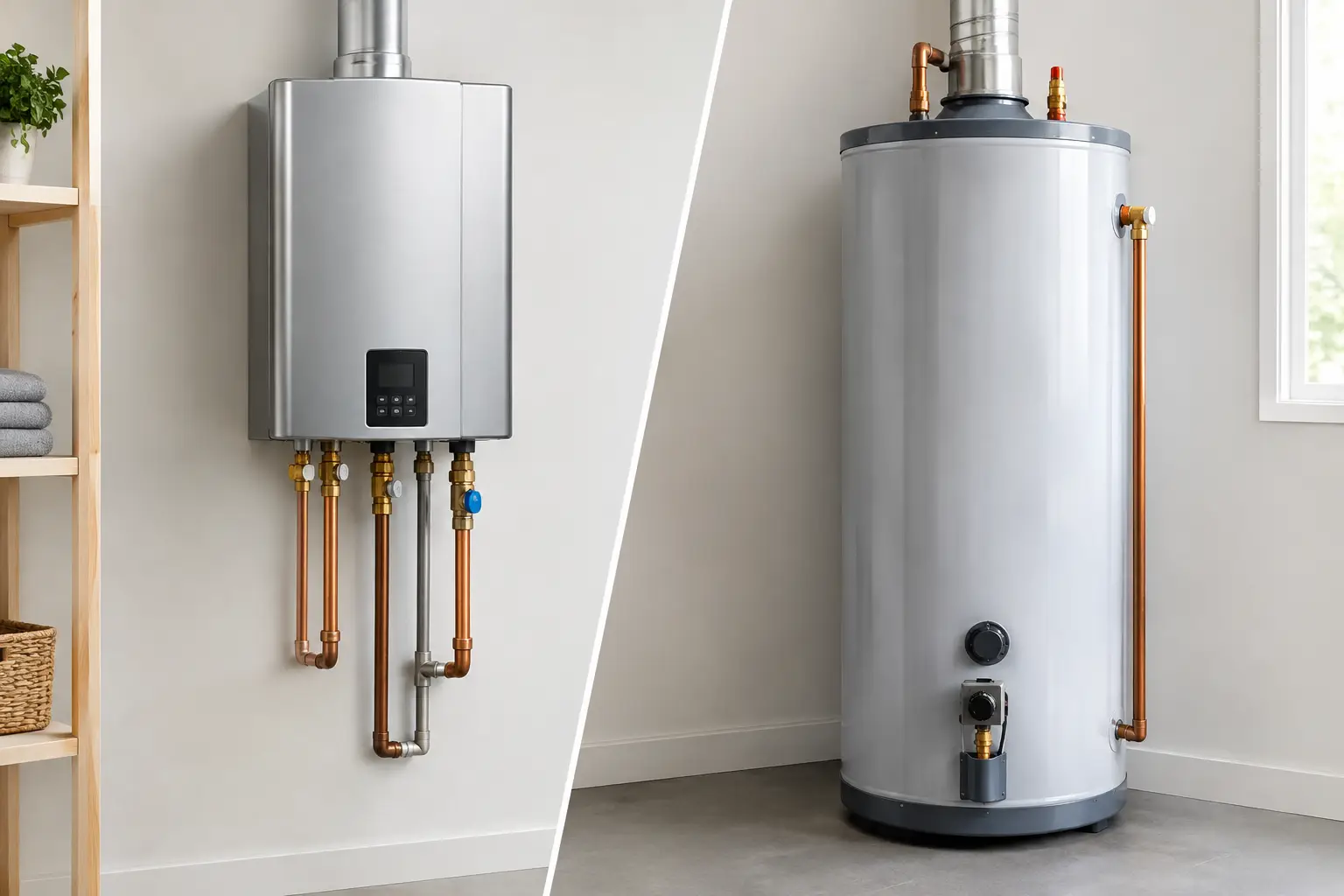
A traditional water heater stores a ready supply of heated water in an insulated tank, commonly 40 to 75 gallons. When you turn on a hot-water fixture, heated water leaves the top of the tank and cold water enters at the bottom to be warmed.

Its biggest advantage is simple, proven operation. A properly sized tank heater can comfortably serve many households, especially when hot-water use is predictable. The equipment and installation are usually less expensive upfront than a tankless system, and replacement can be straightforward when the new unit uses the same fuel type and fits the existing space.

The trade-off is standby heat loss. Because the unit maintains a full tank of hot water around the clock, it uses energy even when no one is showering or running a load of laundry. Once the stored hot water is used, the household may need to wait for the tank to recover. That can be frustrating during busy mornings or when several people need consecutive showers.

When a Tank Heater Is the Practical Choice

A storage-tank water heater is often a strong choice for homeowners who want a dependable replacement at a lower initial cost. It can also make sense where a home’s gas supply, electrical service, venting, or physical layout would make tankless installation more involved.

Sizing matters more than simply choosing the largest tank. A professional should consider your household size, peak-hour hot-water use, fuel source, and the heater’s first-hour rating. A correctly sized 50-gallon unit may outperform an oversized or poorly matched model in everyday use.

How Tankless Water Heaters Work

Tankless water heaters heat water as it flows through the unit. Rather than keeping dozens of gallons hot in storage, the system activates when you open a hot-water faucet. This is why tankless units are often called on-demand water heaters.

The appeal is easy to understand: no stored tank can be emptied by a long shower, and the compact equipment can free up floor space in a utility room or basement. Because it only heats water when demand occurs, a properly selected tankless unit may reduce energy use compared with a conventional tank heater.

But “endless hot water” has an important qualifier. A tankless system can provide hot water continuously only within its rated flow capacity. If two showers, a dishwasher, and a washing machine run at once, the unit must produce enough heated water for all of them. During a Connecticut winter, colder incoming water means the heater has to work harder, which can reduce the available flow rate.

Tankless Capacity Is About Flow, Not Gallons

Tankless sizing is based on gallons per minute and temperature rise. A household may need enough capacity for one shower and a dishwasher at the same time, or it may need to support several bathrooms during the morning rush. The right answer depends on real habits, not a one-size-fits-all equipment label.

A trained technician can calculate your expected demand, inspect the home’s fuel and venting requirements, and recommend a unit sized for reliable performance. This step prevents a common disappointment: installing a high-efficiency unit that cannot keep up with the household’s busiest hour.

Tankless Versus Tank Water Heaters: Key Differences

The clearest difference is the balance between upfront cost and long-term operation. Conventional tank heaters generally cost less to purchase and install. Tankless systems often cost more initially because installation may require a larger gas line, dedicated electrical circuit, new venting, condensate drainage, or changes to water piping.

Tankless equipment can offer energy savings, particularly for households with moderate hot-water use. However, savings vary. A large family with frequent, simultaneous demand may prioritize capacity over efficiency. A homeowner replacing a failed tank heater quickly may prioritize a dependable same-day replacement that fits the current system.

Service life is another consideration. Tank water heaters commonly last around 8 to 12 years, though maintenance, water quality, and installation conditions affect that range. Tankless units can often last longer, sometimes 15 to 20 years or more with proper care. Their internal parts may be replaceable, but the equipment still needs regular professional service.

Space also matters. A tankless unit mounts on a wall, which can be valuable in a tight mechanical room. A tank heater needs floor space and clearance around the unit. On the other hand, a tankless installation should never be chosen on space savings alone if the home cannot support the needed fuel, venting, and water-flow requirements.

Water Quality and Maintenance Matter in Connecticut Homes

Whether your home has municipal water or a private well, mineral content can affect water-heater performance. Hard water can create scale inside a tankless heat exchanger and reduce efficiency over time. In a tank-style heater, sediment can settle at the bottom of the tank, contributing to noise, slower recovery, and premature wear.

Tank heaters benefit from periodic flushing, anode-rod inspection, and safety checks. Tankless systems should be descaled on a regular schedule, especially in homes with hard water. The exact frequency depends on water conditions and household use.

If your home uses well water and you have noticed scale on fixtures, cloudy water, staining, or changing water pressure, address those concerns as part of the water-heater conversation. A water-conditioning solution may help protect plumbing fixtures and extend the life of your new equipment.

Installation Details That Affect the Real Cost

The price on the equipment is only part of the project. A professional replacement quote should account for the complete installation, including removal of the old unit, required connections, venting, safety components, permits where applicable, and any necessary upgrades.

For a tankless water heater, gas-fired models may require larger gas piping to deliver sufficient fuel during peak operation. They may also need new direct venting or a properly managed condensate line. Electric tankless models can demand substantial electrical capacity and are not always practical for whole-home use without major electrical upgrades.

For tank water heaters, fuel type, venting, drain-pan needs, seismic requirements where applicable, and location all affect the work. Gas water heaters also need correct combustion air and venting. These are safety-critical details, not areas for guesswork.

Straightforward upfront pricing is especially valuable here. Before work begins, you should know what equipment is being installed, what changes are needed, and what the full project includes.

Which Water Heater Fits Your Home?

Choose a tank water heater when you want a lower initial investment, have consistent demand, and prefer a familiar system with a relatively simple replacement path. It remains a reliable option for many homes.

Consider tankless when you want to reduce standby energy use, reclaim floor space, expect to stay in the home long enough to value its potential service life, and can support the installation requirements. It can be an excellent upgrade, but only when it is properly sized for your household’s real hot-water demand.

If your current heater is leaking, producing discolored water, making rumbling noises, or failing to provide enough hot water, do not wait for a complete outage. A qualified local plumbing professional can evaluate the existing system, explain the practical options, and help you restore dependable hot water with a solution built for your home.

Tankless Water Heater Troubleshooting Guide

Tankless Water Heater Troubleshooting Guide

When a tankless water heater stops delivering hot water, the disruption is immediate. A cold shower, an error code, or a unit that keeps shutting down can leave you wondering whether the fix is simple or urgent. This tankless water heater troubleshooting guide helps you check the safe, homeowner-level causes first and recognize when a trained technician should take over.

Tankless systems are efficient and dependable when properly sized, installed, and maintained. But unlike a conventional tank water heater, they rely on sensors, venting, gas supply, water flow, and electronic controls working together. That means a small issue in one area can stop the entire system from heating.

Start With Safety Before Troubleshooting

If you smell natural gas, leave the home immediately and call your gas utility or emergency services from a safe location. Do not operate switches, light matches, or try to restart the water heater.

Also stop and call for professional service if you see active water leaking from the unit, scorched wiring, melted components, or discolored vent piping. Tankless water heaters involve gas combustion, high-voltage electrical parts, and hot water under pressure. Resetting a control panel may be reasonable. Removing covers, adjusting gas components, or opening sealed combustion parts is not a DIY repair.

For all other concerns, begin by checking the display panel. Most units show an error code that gives a technician a useful starting point. Write down the code, when it appears, and whether it happens at every faucet or only during certain uses.

Tankless Water Heater Troubleshooting Guide: Common Problems

No hot water at any fixture

If there is no hot water anywhere in the house, first confirm that the unit has power. Check whether the display is lit, verify that the electrical outlet has not tripped, and look at your home’s breaker panel. A tankless gas water heater still needs electricity to operate its controls, fan, and ignition system.

Next, make sure the unit is turned on and the temperature setting has not been lowered accidentally. Then check whether the cold-water isolation valve and gas shutoff valve are open. Handle positions vary, so do not force anything if you are unsure.

If the display has power but the unit will not heat, possible causes include an ignition failure, gas-supply problem, blocked vent, failed sensor, or internal control issue. These conditions need professional diagnosis. Repeatedly resetting the heater without addressing the cause can create more frustration and may conceal a safety issue.

Water gets warm, then turns cold

Intermittent hot water often points to a flow-rate issue. Tankless heaters need a minimum amount of water moving through them before they activate. A partially clogged faucet aerator, low-flow showerhead, dirty inlet filter, or a fixture that is only slightly opened may not provide enough flow for consistent heating.

Try running hot water at one fixture at a time and open the handle fully. If the water stays hot at a sink but turns cold during a shower, the shower valve or showerhead may be the issue. If the problem occurs throughout the home, the water heater may have mineral buildup, a failing flow sensor, or a sizing issue.

Demand also matters. A properly working unit has a maximum hot-water output, especially during Connecticut winters when incoming groundwater is colder. Running two showers, a dishwasher, and laundry at once can exceed the system’s capacity. That is not always a repair problem, but it may indicate the unit is undersized for your household’s actual demand.

Water is hot, but not hot enough

Check the temperature setting before assuming the heater has failed. Many households find a setting around 120 degrees comfortable and safer for everyday use, though individual needs vary. Raising the setting too high increases scald risk, especially for children and older adults.

If the setting is correct but the water remains lukewarm, check whether a single-handle faucet or mixing valve is allowing cold water to cross into the hot-water line. This can make it seem as though the tankless unit is underperforming. A technician can isolate fixtures and test the system to find the source.

Mineral scale can also reduce heat transfer inside the heat exchanger. This is particularly relevant for homes with hard water or private wells. Over time, scale makes the heater work harder, can reduce output, and may trigger error codes. A professional flush and inspection can restore performance before the buildup causes more expensive damage.

The unit shuts off during use

A tankless water heater that starts normally and then shuts down may be protecting itself. Common triggers include restricted combustion air, venting problems, overheating, poor gas pressure, dirty filters, or a condensate drainage issue on a condensing model.

Check the exterior vent termination from the ground, if it is safely accessible. Snow, leaves, insect nests, and other debris should never block the intake or exhaust. In Northwest Connecticut, snow and ice deserve special attention after a storm. Do not insert tools into the vent or disconnect piping. A venting issue can affect safe combustion and requires prompt professional service.

If shutdowns happen only during freezing weather, inspect exposed water lines around the system for signs of freezing. Tankless units can have freeze protection, but it depends on the heater having electrical power and being installed correctly. A frozen line can damage plumbing quickly, so turn off water if a pipe is leaking and call for help.

Strange noises or rumbling

A brief fan sound or click during startup can be normal. Loud rumbling, banging, whistling, or persistent vibration is not something to ignore.

Rumbling and popping may signal scale buildup in the heat exchanger. Whistling can point to water-flow restrictions or pressure issues. Banging may be water hammer in the plumbing system rather than a water heater failure. Because the sound can travel through pipes, the location where you hear it is not always the location of the problem.

A technician can determine whether the solution is descaling, filter cleaning, pressure adjustment, pipe support, or a repair to the unit itself. Addressing unusual sounds early can help protect the heat exchanger, which is one of the most important components in a tankless system.

Simple Checks Homeowners Can Make

Before scheduling service, there are a few practical checks that can save time without putting your home at risk. Confirm the unit has power, make sure the display is on, and note any error code. Verify that the water and gas shutoff valves appear open. Check your electrical panel for a tripped breaker, and look outside for obvious debris around the vent termination.

You can also remove and rinse faucet aerators or showerhead screens if low flow affects only one fixture. If your owner’s manual specifically explains how to clean the cold-water inlet filter, follow those instructions carefully with the water supply shut off. If the filter is difficult to access, damaged, or heavily coated with debris, leave the work to a professional.

Avoid using chemical drain cleaners, adding unapproved cleaners to the water heater, bypassing safety switches, or attempting to adjust gas pressure. Those shortcuts can damage the equipment and create a much larger repair.

Why Maintenance Prevents Many Tankless Water Heater Problems

Tankless water heaters do not store 40 or 50 gallons of hot water, but they are not maintenance-free. Annual service is a smart baseline for many homes. Homes with hard water, well water, heavy hot-water use, or manufacturer-specific maintenance requirements may need attention more often.

A complete maintenance visit typically includes checking for error history, inspecting connections and venting, cleaning accessible filters, evaluating combustion-related components, and flushing mineral scale from the heat exchanger when needed. The right service schedule depends on water quality, system age, usage, and the manufacturer’s recommendations.

Maintenance is especially valuable before the heating season, when a water-heater failure is more than an inconvenience. Consistent care can improve efficiency, support reliable performance, and catch small concerns before they turn into a no-hot-water emergency.

When to Call a Tankless Water Heater Professional

Call for service when error codes return after a reset, hot water is inconsistent throughout the home, the unit leaks, or the heater shuts down repeatedly. Professional help is also the right choice for suspected venting issues, gas concerns, electrical faults, scale buildup, or a system that cannot keep up with normal household demand.

A qualified technician can test water flow, gas pressure, ignition, sensors, venting, and heat-exchanger performance instead of replacing parts based on guesswork. For homeowners in Morris and across Litchfield County, Escape Plumbing & Heating provides clear diagnosis, straightforward pricing, and dependable repair options to restore hot water without unnecessary delays.

Your tankless water heater should make daily routines easier, not leave your household planning around cold water. A quick check of the safe basics is useful, but persistent problems deserve a precise repair before they become a bigger interruption.

How to Prevent Frozen Pipes in Your Home

How to Prevent Frozen Pipes in Your Home

A frozen pipe rarely announces itself with much warning. You may notice weak water pressure at a bathroom sink, an unusually cold room, or no water at all from one fixture. In a Northwest Connecticut winter, that small warning can turn into a burst pipe, water damage, and a stressful interruption to your household routine. Knowing how to prevent frozen pipes before temperatures drop is one of the most practical ways to protect your home.

Pipes freeze when the water inside them is exposed to prolonged cold, expands, and creates pressure between the ice blockage and a closed faucet. The pipe does not always split where the ice forms. It can rupture several feet away, often behind a wall, in a ceiling, or near a fitting. That is why prevention is far less costly and disruptive than waiting for a visible leak.

Why Certain Pipes Freeze First

Any pipe can freeze during a hard cold snap, but the highest-risk areas are usually the least protected parts of the home. Unheated basements, crawl spaces, attics, garages, exterior walls, and cabinets along outside walls deserve attention first.

Older homes throughout Litchfield County can be especially vulnerable because insulation levels, pipe layouts, and air sealing have changed over time. A kitchen or bathroom that has worked without trouble for years may still become a problem when a stretch of below-zero weather combines with wind and a small draft near the plumbing.

Pipes supplying sinks on exterior walls are common trouble spots. So are water lines near garage walls, outdoor hose connections, well equipment, and areas where a pipe passes through a foundation or rim joist. If you have had a pipe freeze before, treat that location as a known risk rather than assuming it was a one-time event.

How to Prevent Frozen Pipes Before a Cold Snap

The best approach combines steady heat, insulation, and a little airflow. Each step addresses a different cause of freezing, so do not rely on one measure alone when severe weather is expected.

Keep Your Thermostat Steady

Keep the home heated to at least 55 degrees, including overnight and when you are away. Lowering the thermostat dramatically to save money may cost far more if a pipe freezes and bursts.

Consistency matters more than turning the heat up and down. A home can stay comfortable in the main living area while a pipe in a drafty utility room, crawl space, or exterior-wall cabinet gets dangerously cold. If one room is noticeably colder than the rest of the house, investigate it before the next freeze.

If you leave for a weekend or longer, do not turn the heat off. Ask someone you trust to check the home during an extended cold spell, especially if your property has a history of plumbing issues or relies on a private well system.

Insulate Exposed Plumbing

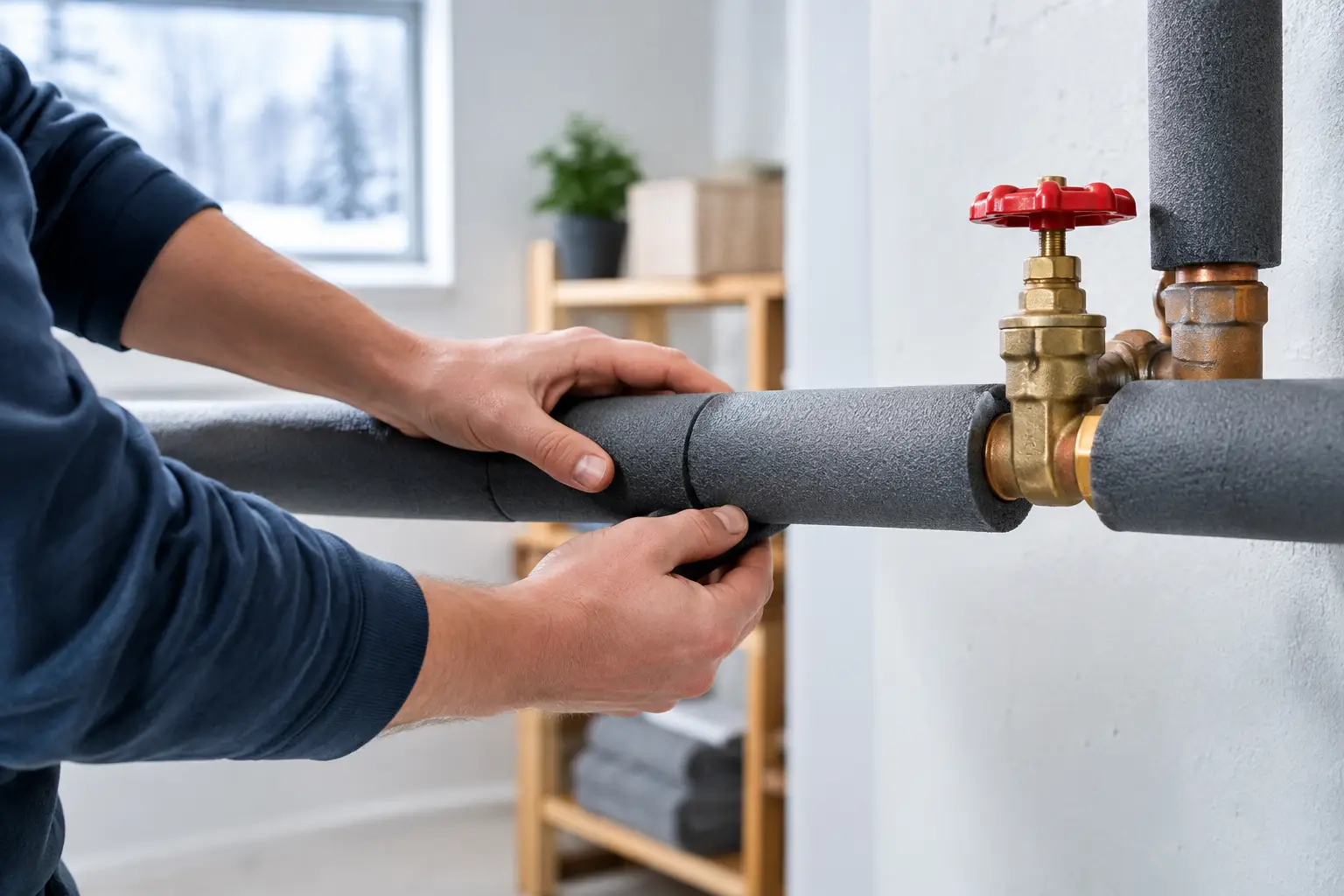
Foam pipe insulation is a useful first line of defense for accessible water lines in basements, crawl spaces, garages, and utility areas. Pay close attention to elbows, valves, and short sections of pipe near exterior walls. Those are easy to overlook and often the places that lose heat fastest.

Insulation helps slow heat loss, but it does not create heat. In an unheated space that stays below freezing for a long period, pipe insulation alone may not be enough. You may need to improve insulation around the room, seal cold-air gaps, or have a plumbing professional evaluate a more permanent solution.

Use only heat tape or heat cable specifically rated for plumbing use and installed according to the manufacturer’s instructions. Improperly installed electrical heating products can create a fire or shock hazard, so this is not an area for guesswork.

Seal Cold Air Around Pipes

A surprising amount of cold air enters around pipe penetrations. Check where plumbing enters the house through foundation walls, sill plates, cabinets, and exterior walls. Small gaps around water lines can funnel icy air directly onto the pipe.

Caulk or approved expanding foam can help seal these openings, depending on the location and material. The goal is to block drafts without covering parts of the plumbing that need future access. If you find moisture, corrosion, or a damaged pipe while checking these areas, schedule a repair instead of sealing over the problem.

Open Cabinet Doors and Interior Doors

During especially cold weather, open cabinet doors beneath kitchen and bathroom sinks on exterior walls. This allows warmer household air to circulate around the supply lines. Keep cleaning products, medications, and other hazardous items secured and out of reach of children and pets before leaving cabinets open.

Also keep interior doors open to rooms that tend to run cold. Closing off an unused room can make sense at other times of year, but it can leave plumbing without enough warm airflow during a freeze.

Disconnect and Drain Outdoor Hoses

Remove garden hoses before winter temperatures arrive. Shut off the indoor valve supplying each outdoor faucet if your home has one, then open the exterior faucet to drain remaining water. Leave the outdoor faucet open after draining so trapped moisture has room to expand.

A frost-free spigot offers added protection, but it is not immune to freezing if a hose remains connected. Water trapped in the hose can extend back into the faucet and damage the plumbing inside the wall.

Should You Let Faucets Drip?

A slow trickle can help prevent freezing in a pipe that is particularly vulnerable, because moving water is less likely to freeze than still water. It also relieves pressure if ice starts to form. However, it is not necessary to run every faucet in the house all winter.

Use this measure strategically during severe cold for fixtures with a known history of freezing or plumbing located along exterior walls. Let both hot and cold water run at a small, steady trickle if the fixture has separate supply lines. If you are on a private well, remember that continuous water use can place added demand on the well pump and water system. A professional can help identify a better long-term fix for a recurring problem.

What to Do If You Suspect a Pipe Is Frozen

Do not ignore reduced flow from a single faucet. Check other fixtures to see whether the issue is limited to one area. If you suspect a pipe is frozen, leave the affected faucet open. As ice begins to thaw, water needs a place to escape.

Then safely warm the area around the suspected frozen section. A hair dryer, heating pad, or portable space heater used with proper clearance and supervision can gradually raise the temperature. Start near the faucet and work back toward the coldest area if the pipe is accessible.

Never use an open flame, propane torch, or any device with direct flame on plumbing. Beyond the obvious fire risk, sudden high heat can damage pipes, fittings, and surrounding materials. Do not use electrical equipment near standing water or a leaking pipe.

If you cannot locate the frozen section, if the pipe is behind a wall, or if you see a bulge, crack, or active leak, turn off your home’s main water supply and call for professional help. Knowing where the main shutoff valve is before winter is one of the most valuable preparations a homeowner can make. Make sure everyone responsible for the home knows how to operate it.

When Recurring Freezing Needs a Permanent Repair

A pipe that freezes repeatedly is signaling a design, insulation, or air-leak problem. Temporary thawing gets water flowing again, but it does not change the conditions that caused the freeze.

The lasting repair may involve relocating an exposed line, improving insulation, sealing exterior gaps, replacing a damaged section of pipe, or adding a safe heat-trace solution. The right answer depends on the pipe material, location, accessibility, and how cold the surrounding space becomes. A trained technician can identify the actual weak point rather than treating the same emergency every winter.

Escape Plumbing & Heating helps homeowners address frozen and burst pipe concerns with prompt service, clear options, and straightforward upfront pricing. When the forecast turns severe, a quick preventive check is easier than managing water damage after a pipe gives way.

Take a few minutes before the next hard freeze to check exposed pipes, outdoor faucets, cold rooms, and your main water shutoff. That small bit of preparation can help keep your water flowing and your home comfortable when winter is at its worst.

Sewer Repair: Signs Your Home Needs Help

Sewer Repair: Signs Your Home Needs Help

A sewer problem rarely announces itself with one obvious event. More often, it starts with a toilet that bubbles after a shower, a tub that drains slowly, or an odor you cannot quite place. Prompt sewer repair matters because the line beneath your home carries wastewater away from every drain. When that line is blocked, damaged, or failing, a minor inconvenience can become a messy and expensive disruption fast.

For homeowners in Northwest Connecticut, the right response is not to guess at the cause or keep reaching for drain cleaner. A professional diagnosis can identify whether the issue is inside a branch drain, in the main sewer line, or outside where the pipe connects to the septic system or public sewer. That distinction affects both the repair and the cost.

Signs You May Need Sewer Repair

One slow drain by itself may be a local clog near that fixture. When several drains act up at the same time, however, the main sewer line becomes a much more likely concern. Pay attention to patterns, especially if they repeat after a temporary fix.

Gurgling is another warning sign. If flushing a toilet causes the shower drain to bubble, or running the washing machine makes a nearby sink gurgle, wastewater and air may be struggling to move through a restricted line. Water that backs up into a lower-level tub, shower, or floor drain is more urgent. Those fixtures are often the first place wastewater appears when the main line cannot carry it away.

Sewage odors indoors or around the yard deserve attention as well. A persistent smell can point to a blockage, cracked pipe, dry trap, or venting issue. Outside, unusually lush patches of grass, soft ground, standing water, or a sinkhole-like depression near the sewer route can indicate a leak below the surface.

Do not overlook frequent clogs. If you are calling for drain clearing repeatedly, the visible clog may be a symptom rather than the actual problem. Grease buildup, root intrusion, a shifted pipe, or a damaged section of line can keep catching waste until the underlying issue is corrected.

What Causes a Main Sewer Line to Fail?

Sewer lines work out of sight, but they are exposed to years of use, ground movement, moisture, and changing temperatures. In older homes throughout Litchfield County, pipe material and age can be major factors. Clay, cast iron, Orangeburg, and aging metal piping may crack, corrode, sag, or deteriorate over time.

Tree roots are a common cause of trouble. Roots naturally seek moisture and can work their way into small joints or cracks in a sewer pipe. Once inside, they grow and catch paper and waste, gradually forming a stubborn blockage. Cutting roots can restore flow in some cases, but if the pipe has open joints or structural damage, roots are likely to return until the line is properly repaired.

Not every sewer issue is caused by age or roots. Grease, wipes labeled as flushable, paper towels, hygiene products, and other household items can build up in the line. Heavy ground settlement can create a low spot, often called a belly, where waste and water collect rather than flowing freely. A broken, offset, or collapsed pipe requires a different solution than a simple blockage.

Why a Camera Inspection Comes First

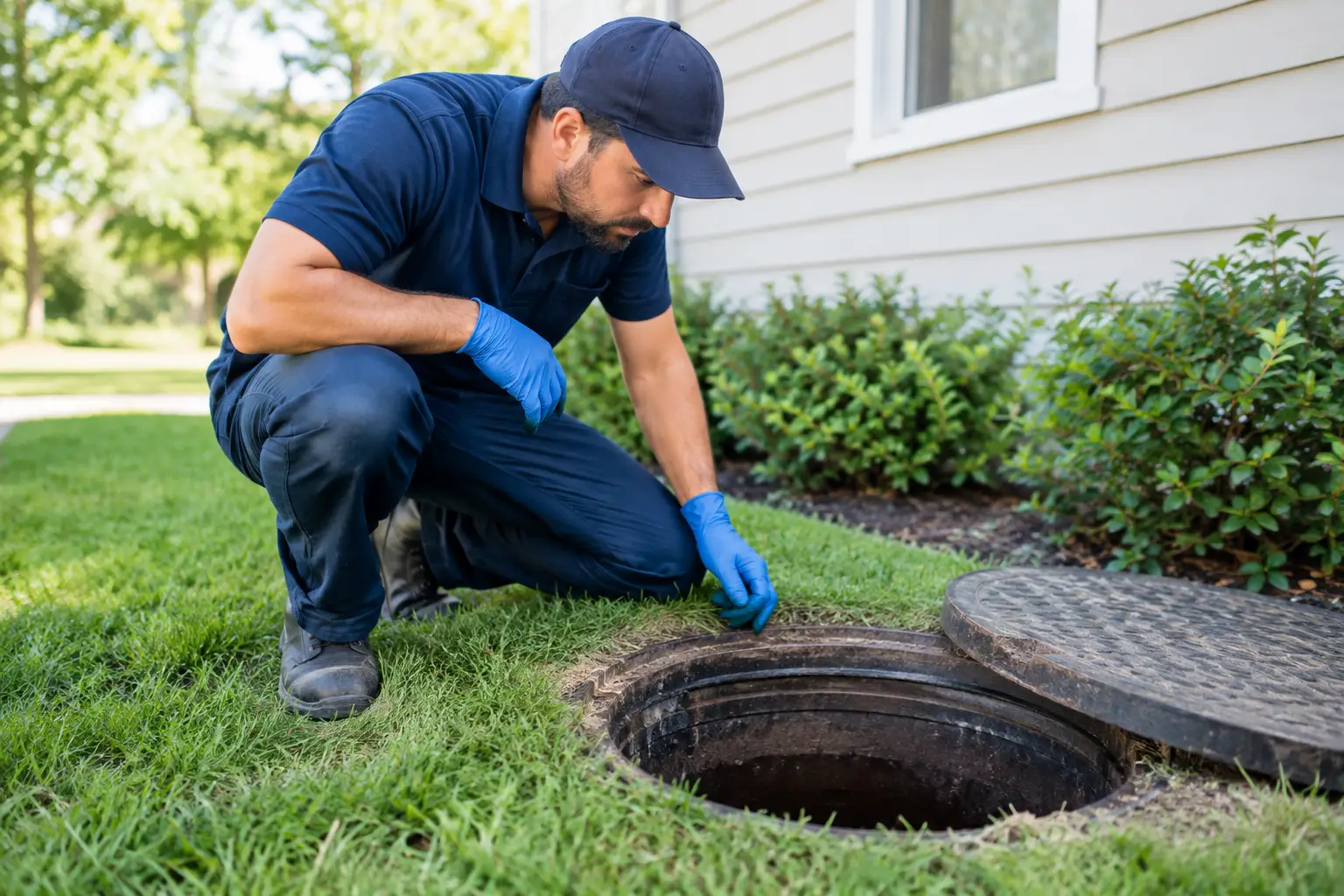
Digging based on a guess is not a good plan. Sewer video inspection lets a trained technician see inside the line and locate the trouble with far greater accuracy. A camera can reveal roots, buildup, cracks, corrosion, separated joints, standing water, and collapsed sections of pipe.

This step is valuable because it separates cleaning needs from repair needs. If the line is structurally sound but clogged, professional drain clearing may restore normal flow. If the camera shows a cracked or sagging pipe, clearing the blockage alone may only provide short-term relief.

A proper inspection also helps determine where the issue is located. Homeowners are often responsible for the sewer lateral running from the home to the public connection, while responsibilities can differ for municipal piping beyond that point. For homes with septic systems, the drain line and tank connection need to be evaluated in the context of the full wastewater system.

Sewer Repair Options Depend on the Damage

There is no single repair that fits every sewer line. The right recommendation should be based on the camera findings, pipe material, access, depth, and condition of the surrounding line.

Drain Cleaning for Removable Blockages

When the pipe is intact and the obstruction is caused by buildup or roots, professional cleaning may be the appropriate first step. Specialized equipment clears the line more effectively than a plunger or store-bought chemical product. Chemical cleaners can be harsh on older pipes and usually cannot solve roots, pipe breaks, or a collapsed section.

Cleaning is often less disruptive and less costly than replacement, but it is not a structural repair. If roots return quickly or backups continue, it is time to investigate the pipe condition more closely.

Targeted Pipe Repair

A localized repair may make sense when the problem is limited to one accessible section. For example, a single broken joint, root-damaged connection, or short collapsed area may not require replacing the entire line. This approach can preserve sound portions of the existing pipe while correcting the point of failure.

The trade-off is that an older line can have more than one weak area. If the camera shows widespread corrosion, cracking, or multiple offsets, a spot repair may delay rather than prevent another problem.

Sewer Line Replacement

Replacement is generally recommended when a line has extensive deterioration, repeated failures, severe bellies, or a collapse. Although it is a larger project, replacing a failing sewer line can eliminate the cycle of repeated backups and emergency calls.

The installation method depends on the property. Traditional excavation may be necessary when access is straightforward or when the pipe condition calls for it. In some situations, less invasive methods may be possible. A qualified plumber should explain the condition of the line, the available options, what work will affect your yard or driveway, and the upfront price before work begins.

What to Do When Sewage Backs Up

A sewage backup is a health and property-damage concern. Stop using water immediately. Do not flush toilets, run the dishwasher, start laundry, or take showers, because every gallon sent down a drain can worsen the backup.

Keep children and pets away from the affected area. Wastewater can contain harmful bacteria, and porous items such as carpet, cardboard, and upholstered furniture may need professional evaluation or disposal if contaminated. If the backup is near electrical outlets or appliances, avoid touching standing water and use caution around the area.

Then arrange professional service as soon as possible. Fast action can limit damage to flooring, walls, fixtures, and belongings. It also gives the technician a clearer picture of the failure before repeated use changes the symptoms.

How to Reduce Future Sewer Problems

Good habits can protect a healthy sewer line, even though they cannot stop age-related wear or ground movement. Keep grease, cooking oil, wipes, paper towels, cotton products, and hygiene items out of toilets and drains. Dispose of them in the trash instead.

Be thoughtful about landscaping near the sewer route. Large trees and aggressive root systems close to an aging pipe can create future risk. If you have had roots in the line before, periodic camera inspections or scheduled maintenance can catch returning growth before it causes a backup.

Most importantly, do not normalize recurring drain trouble. A toilet that frequently gurgles or a basement drain that backs up once in a while is not simply part of owning an older home. It is a signal worth checking.

When your drains stop working as they should, clear answers matter. Escape Plumbing & Heating uses modern diagnostic equipment to identify the cause, explain the repair options plainly, and help restore your home’s comfort without unnecessary delays or pricing surprises.

Repair or Replace Water Heater? Know the Signs

Repair or Replace Water Heater? Know the Signs

A cold shower is frustrating. A leaking water heater, rusty hot water, or a burner that will not stay lit can be much more than an inconvenience. When you need to repair or replace water heater equipment, the right choice depends on the problem, the unit’s age, its condition, and how reliably it can serve your household going forward.

A professional diagnosis gives you the clearest answer. Some issues have a straightforward repair, while others signal that putting more money into an aging tank is likely to lead to another breakdown soon. The goal is not simply to get hot water back for the day. It is to restore dependable comfort without surprising costs or unnecessary delays.

When Water Heater Repair Makes Sense

A repair is often the practical option when the water heater is relatively young, the tank itself is sound, and the issue is isolated. Many common problems affect a component that can be replaced without replacing the entire system.

For an electric water heater, failed heating elements, a thermostat problem, or a tripped breaker may be the cause of limited or no hot water. Gas water heaters can develop ignition, thermocouple, pilot-light, burner, or gas-control issues. These problems need professional attention, especially when gas or combustion is involved, but they do not automatically mean the tank has reached the end of its life.

A temperature and pressure relief valve can also fail, causing water to drip from the discharge pipe. This safety device is essential because it releases excess pressure from the tank. Replacing the valve may be a reasonable repair, but a technician should also determine why the valve opened or leaked in the first place.

Minor leaks may be repairable when they come from a loose connection, a fitting, or the drain valve. Sediment buildup is another common concern in Northwest Connecticut homes, particularly where mineral content or private-well water affects the system. Flushing and maintaining a water heater can sometimes improve performance, reduce noise, and help protect efficiency.

Signs It May Be Time to Replace Your Water Heater

The tank is the dividing line. Once the tank itself is corroded or leaking, replacement is usually the only dependable answer. A tank leak cannot be safely patched in a way that restores long-term reliability.

Watch for moisture or puddling around the base of the unit. Before assuming the tank has failed, a plumber should inspect nearby pipes, valves, and fittings. But water emerging from the tank body, especially around a seam or from underneath the jacket, is a serious warning sign.

Age also matters. Conventional tank water heaters commonly last about 8 to 12 years, though actual service life depends on water quality, maintenance, installation conditions, and usage. If your unit is approaching or past that range and needs a costly repair, replacement often provides better value than continuing to repair aging parts.

Other signs point toward replacement as well:

  • Rust-colored water from the hot-water side can indicate internal tank corrosion.
  • Repeated repairs suggest multiple components are wearing out.
  • Rumbling, popping, or banging may mean heavy sediment has hardened inside the tank.
  • Your household regularly runs out of hot water, even when the unit is functioning as designed.
  • Energy bills have climbed because an older unit is working harder to heat water.

No single symptom makes the decision for you. A professional can assess whether the problem is a serviceable part, a water-quality issue, an undersized heater, or a tank nearing failure.

Repair or Replace Water Heater: Compare the Real Cost

The cheapest repair today is not always the lowest-cost decision. Consider the repair price alongside the age of the unit, its expected remaining life, and the chance of another failure in the near future.

For example, a modest repair on a four-year-old water heater with no corrosion can be a smart investment. The same repair on a 13-year-old tank that has already needed other work may only postpone a replacement you will need soon. It can also leave you vulnerable to a leak that damages flooring, stored belongings, or finished areas of the home.

Replacement costs vary based on the water heater type, fuel source, capacity, venting requirements, code updates, and installation conditions. A new unit may require adjustments to gas piping, electrical service, venting, drainage, or water connections. Straightforward upfront pricing matters because it helps you compare options based on the full scope of work, not an incomplete equipment price.

If the timing is difficult, financing can make a planned replacement more manageable than waiting for an emergency failure. Replacing a weakening water heater on your schedule gives you time to choose the right system rather than making a rushed decision after the tank begins leaking.

Choose a Replacement That Fits Your Home

Replacing a water heater is an opportunity to correct problems that the old system may have masked for years. The right size depends on the number of people in the home, fixtures used at the same time, bathing habits, laundry needs, and the type of equipment you choose.

A conventional storage-tank water heater stores a set amount of hot water and is a familiar, dependable choice for many homes. If your family has grown or you frequently run out of hot water, moving to a larger capacity or a higher-recovery model may solve the problem.

A tankless water heater heats water as it flows, rather than storing it in a tank. It can provide a long-lasting, efficient option when sized and installed correctly. However, tankless equipment is not automatically the best fit for every household. It may require gas-line upgrades, electrical changes, specialized venting, and water treatment considerations. A home with hard water or well water may benefit from conditioning or filtration that protects the new equipment.

Fuel type also influences the decision. Natural gas, propane, electric, heat-pump, and tankless models all have different installation needs and operating characteristics. The best choice is the one that delivers enough hot water safely and efficiently for your home, not simply the model with the lowest purchase price.

Do Not Ignore Water Heater Safety Warnings

If you smell gas near a gas water heater, leave the area if necessary, avoid switches and open flames, and contact your gas utility or emergency professional according to local safety guidance. Do not attempt to relight or repair the system yourself.

A leaking tank should also be addressed promptly. Turn off the water supply if you can do so safely, and shut off power to an electric heater or set a gas unit to the appropriate safe setting. Water and electricity are a dangerous combination, and a leaking heater can worsen quickly.

For any water heater, keep the area around the unit clear. Do not block combustion air openings or store flammable materials nearby. A qualified technician should inspect venting, gas connections, safety controls, and pressure-relief components during service or replacement.

A Clear Answer Starts With a Proper Diagnosis

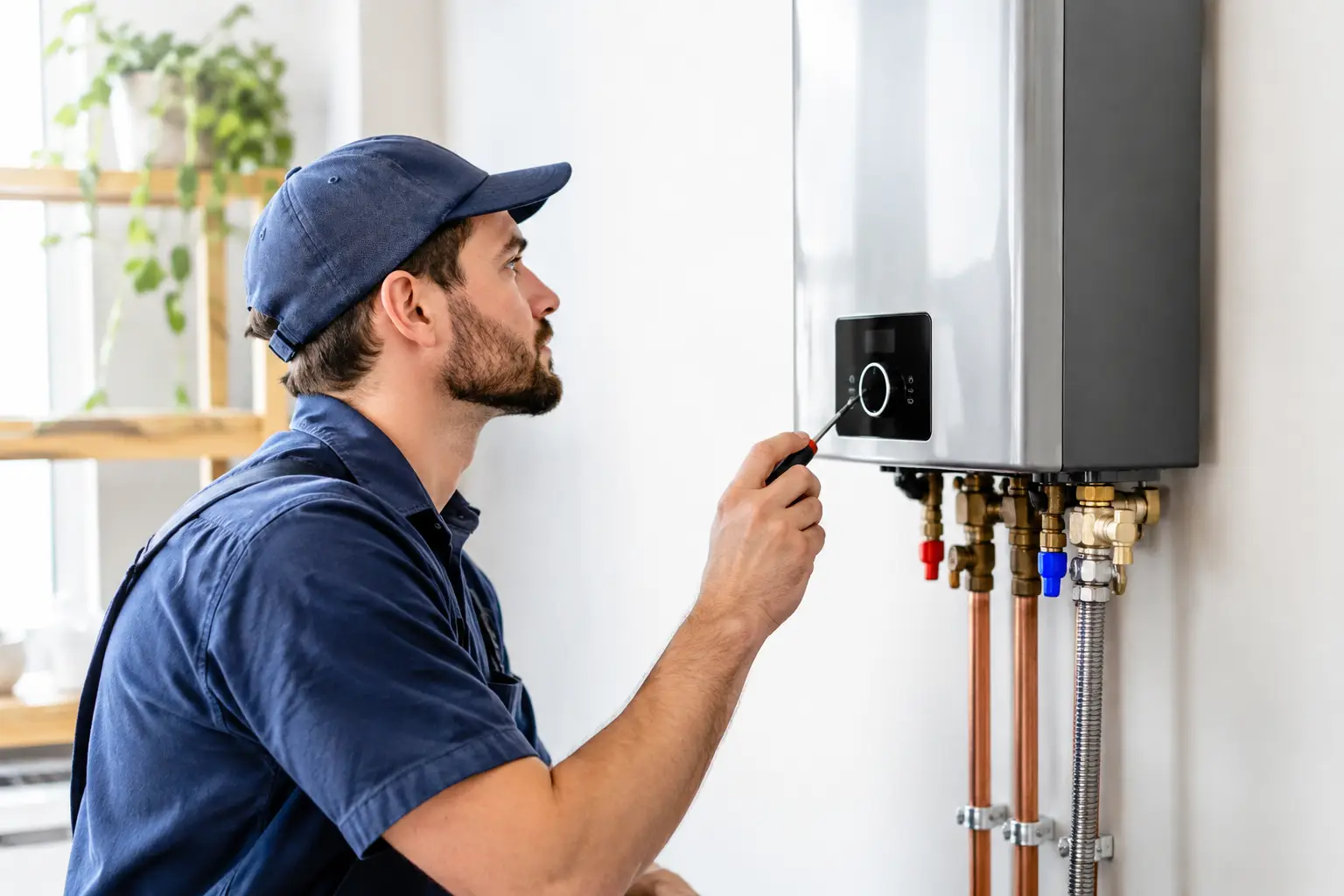
Homeowners should not have to guess whether a repair will hold or whether replacement is truly necessary. A trained technician can inspect the system, identify the source of the problem, explain the condition of the tank and components, and present clear options before work begins.

For more than 30 years, Escape Plumbing & Heating has helped homeowners throughout Litchfield County make practical water-heater decisions with prompt service and straightforward pricing. Whether the issue is a small repair, an aging tank, or a hot-water upgrade, the next best step is to address it before a minor warning becomes a cold morning or a damaging leak.

If your water heater is showing its age, schedule an evaluation while you still have time to choose the solution that fits your home and budget.

When to Call an Emergency Plumber at Home

When to Call an Emergency Plumber at Home

A plumbing failure rarely waits for a convenient moment. Water spreading across a finished basement floor, a toilet that will not stop overflowing, or a sudden loss of water from a private well can put your home and routine at risk fast. An emergency plumber helps stop the immediate damage, identify the real cause, and get your home back to safe, dependable operation without unnecessary delays.

For homeowners in Northwest Connecticut, the right response depends on what is happening, where the water is going, and whether you can safely isolate the problem. A small drip under a sink may be able to wait for a scheduled repair. A burst pipe, sewage backup, or failed well pump usually cannot.

What Counts as a Plumbing Emergency?

A plumbing emergency is any issue that creates an immediate risk of water damage, sewage exposure, property damage, loss of essential water service, or a gas safety concern. The key question is not simply whether the problem is inconvenient. It is whether waiting could make the situation more expensive, unsafe, or difficult to repair.

A pipe spraying water behind a wall is an emergency because even a short delay can damage insulation, flooring, drywall, electrical components, and personal belongings. A sewer backup is urgent because wastewater carries contaminants and should not be handled as a standard drain clog. No hot water may be less urgent in some circumstances, but it can become a same-day concern when a water heater is leaking, making unusual noises, or showing signs of pressure problems.

Older homes throughout Litchfield County can have plumbing systems that need a more careful diagnosis. Aging supply lines, corroded pipes, well equipment, septic-connected drains, and sump pumps all have different failure points. The goal is not just to get water moving again. It is to determine why the failure happened and prevent the next one.

Call an Emergency Plumber for These Problems

Burst Pipes and Active Water Leaks

A burst pipe is one of the clearest reasons to call for emergency service. Freezing temperatures, corrosion, excessive water pressure, and worn fittings can all cause a pipe to split or separate. Water may pour out visibly, but hidden leaks can be just as serious when they soak a ceiling, wall, or cabinet from the inside.

If water is actively flowing, shut off the nearest fixture valve if you can reach it safely. If that does not stop the leak, turn off the main water supply to the home. Then move valuables away from the affected area and call for professional help. Do not open walls, use electrical equipment near standing water, or attempt a makeshift repair on damaged piping under pressure.

Sewer Backups and Multiple Drain Clogs

One slow drain can often be addressed during normal service hours. Several drains backing up at once, however, may point to a blockage in the main sewer line. Water or sewage coming up through a shower drain, floor drain, or toilet is a serious warning sign.

Avoid running water anywhere in the house, including laundry appliances and dishwashers. More water can worsen the backup and spread contamination. A trained technician can assess the line, clear the obstruction when appropriate, and use sewer video inspection to see whether roots, grease buildup, a broken pipe, or another issue is responsible.

No Water From a Well System

For homes with private wells, no water can mean a problem with the well pump, pressure tank, pressure switch, electrical connection, or water supply equipment. Before assuming the worst, check whether the circuit breaker has tripped. If the system still will not restore water, do not repeatedly reset breakers or force equipment to run.

A well system needs accurate diagnosis. Replacing a part without identifying the source of the failure can lead to more downtime and added cost. Emergency service can help restore a reliable water supply while protecting the equipment from further damage.

Sump Pump Failure During Heavy Rain

A sump pump is quiet until it is not. During heavy rain or rapid snowmelt, a failed pump can allow groundwater to rise in the basement. If the pump is not running, runs continuously without lowering the water level, makes grinding sounds, or has lost power, act quickly.

Check that the pump is plugged into a working outlet and that the discharge line is not visibly blocked or frozen. If water is rising or the pump cannot keep up, call for help. A backup pump or battery backup may be worth considering after the immediate issue is resolved, especially for homes with finished basements or a history of water intrusion.

Water Heater Leaks, Pressure Issues, or Gas Smells

A water heater leak can range from a loose connection to a failing tank. Water around the unit should be addressed promptly, particularly if it is spreading across the floor or coming from the tank itself. Rust-colored water, popping sounds, inconsistent hot water, and a temperature-pressure relief valve that discharges regularly also deserve professional attention.

If you smell gas near a gas water heater or gas line, leave the area, avoid switches and open flames, and contact the appropriate emergency utility resource before arranging repair. Do not try to locate or repair a suspected gas leak yourself.

What to Do Before Help Arrives

The first few minutes matter, but homeowners do not need to become emergency repair technicians. Focus on limiting damage and keeping people safe.

Know the location of your main water shutoff valve before an emergency happens. It is often near the water meter, where the main line enters the home, or near well equipment. Every adult in the household should know how to turn it off. If your home uses a well, learn where the electrical disconnect or breaker is located as well.

Once the water is off, contain what you can with towels, buckets, or a wet/dry vacuum only when it is safe to do so. Photograph visible damage for insurance documentation. Keep children and pets away from standing water, especially if sewage may be involved. Clear a path to the affected plumbing equipment so the technician can begin diagnosing the issue without delay.

It also helps to note what happened before the failure. Did the drains gurgle for days? Did water pressure change? Was there a recent freeze, storm, renovation, or utility interruption? These details can shorten the diagnostic process and help identify whether the repair needs to address a larger system problem.

When a Repair Can Wait Until Normal Hours

Not every plumbing concern needs an emergency visit. A faucet dripping into a sink, a single slow drain, or a toilet that runs occasionally may be inconvenient but manageable until a regular appointment. Place a container beneath a minor leak, avoid using the affected fixture, and schedule service before the problem grows.

The trade-off is simple: waiting makes sense only when the issue is contained and not causing active damage, contamination, or loss of essential service. If you are unsure, describe the symptoms when you call. A reliable plumbing team can help you determine whether same-day emergency service is the right choice.

Why Professional Diagnosis Matters After the Immediate Fix

Stopping the water is only the first step. A pipe that bursts due to freezing may need better insulation, a repair to a vulnerable section of line, or an evaluation of water pressure. A cleared drain may still need camera inspection if backups keep returning. A failed sump pump may reveal a float switch problem, undersized equipment, discharge line trouble, or the need for a backup system.

Professional emergency plumbing service should provide a clear explanation of what failed, what repair is needed now, and what options can reduce the chance of another disruption. Straightforward upfront pricing matters here. Homeowners should be able to make decisions with a clear understanding of the work, rather than facing surprises after the repair is complete.

Escape Plumbing & Heating brings more than 30 years of Northwest Connecticut experience to urgent home plumbing problems, with trained technicians focused on prompt arrival, precise diagnosis, and lasting repairs. Whether the issue is a burst pipe, a failing well pump, a sewer backup, or no hot water, the priority is restoring comfort and protecting your home.

The best time to find your water shutoff valve, test your sump pump, and schedule preventive maintenance is before an emergency. But when water is already where it should not be, act quickly, protect the space, and get experienced help on the way.

Water Filtration That Fits Your Home’s Water

Water Filtration That Fits Your Home’s Water

A glass of water can look perfectly clear and still leave you with questions. Maybe your tap water has a metallic taste, a sulfur-like odor, cloudy particles after a storm, or orange staining around fixtures. For many Northwest Connecticut homeowners, especially those on private wells, water filtration is not about chasing a luxury upgrade. It is about making everyday water more pleasant to use and protecting the plumbing equipment that keeps the home running.

The right solution starts with the actual water coming into your house. A filter that works well for sediment will not necessarily fix hard-water scale, bacteria concerns, iron staining, or a chlorine taste. Before investing in equipment, identify the issue, test the water when appropriate, and choose a system designed for the results.

What Water Filtration Can Solve at Home

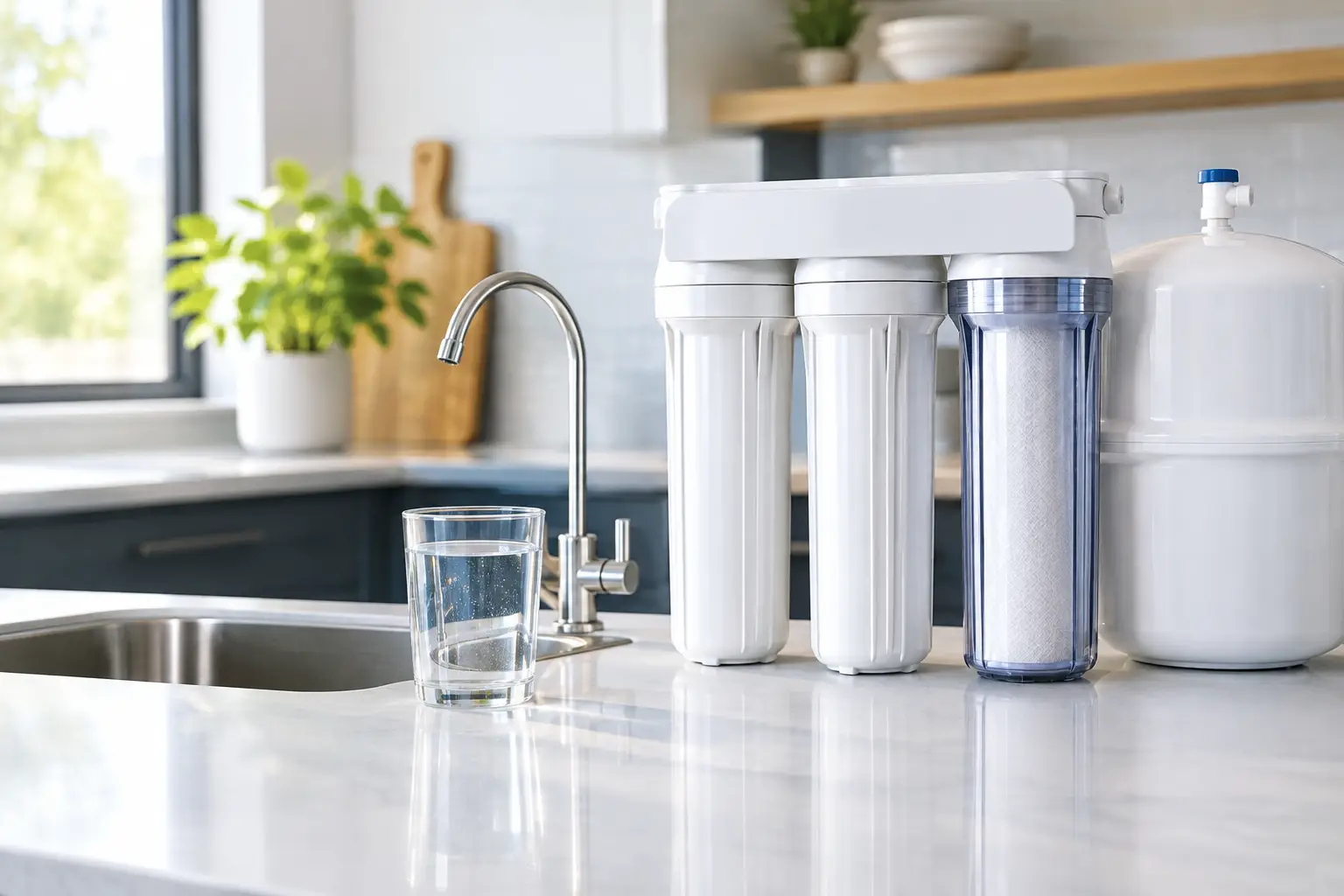
Water filtration removes or reduces specific materials in your water supply. Depending on the system, that may include sand, silt, rust particles, chlorine, unpleasant odors, iron, manganese, or other contaminants identified through testing. It can improve the taste and appearance of drinking water, but its benefits often reach much further.

Sediment is a common issue in homes supplied by wells. Fine grit can clog faucet aerators, reduce appliance performance, and collect in water heater tanks. Iron and manganese may cause red-brown or dark stains on sinks, toilets, laundry, and dishes. Hydrogen sulfide can produce the familiar rotten-egg smell that makes a shower or glass of water hard to enjoy.

A properly selected treatment system can also help protect plumbing fixtures, water heaters, washing machines, dishwashers, and ice makers from premature wear. That said, filtration is not a cure for every water concern. High mineral content, for example, is often better addressed with water conditioning or softening. A professional assessment separates the problem from the solution, so you are not paying for equipment that does not address what is in your water.

Start With Water Testing, Not a Guess

Water issues can have similar symptoms but different causes. Brown water may be caused by iron, sediment, corroding interior pipes, or temporary disturbance in a well. An odor may originate in the water source, a water heater, a drain, or a plumbing fixture. Treating the wrong cause can leave the problem in place.

A water test provides the information needed to make a sound decision. For private-well homes, testing may evaluate factors such as pH, hardness, iron, manganese, bacteria, nitrates, and other concerns relevant to the property. The right test depends on your symptoms, location, well conditions, and whether the issue is ongoing or appeared suddenly.

If your water has changed quickly after heavy rain, nearby construction, a power outage, or well work, do not assume it is a minor inconvenience. Changes in color, taste, pressure, or odor deserve timely attention. A plumbing professional can inspect the water system, pressure tank, well components, and treatment equipment while helping determine the next practical step.

When a Water Problem May Be a Plumbing Problem

Not every unpleasant tap-water issue begins at the source. If discoloration is limited to hot water, the water heater may need inspection. If one faucet has low flow while others are normal, sediment could be trapped in that fixture or its supply line. If water smells only near a particular sink, the drain may be the source rather than the drinking water.

This is one reason an in-home evaluation matters. It avoids treating the entire house for a localized plumbing repair and helps ensure a whole-home system is recommended only when it is genuinely needed.

Common Water Filtration Options

There is no single best filter for every household. The best system is the one sized and configured for your water quality, household demand, plumbing layout, and long-term maintenance expectations.

A sediment filter is often the first line of defense for well water with visible particles, sand, or rust. It captures debris before it reaches fixtures and appliances. Cartridge filters are straightforward, but they need regular replacement. Ignoring a loaded filter can restrict water flow and reduce system performance.

Activated carbon filtration is commonly used to reduce chlorine taste and odor in municipally supplied water. It may also improve certain organic tastes and smells. Carbon can be installed at a single drinking-water faucet or as a whole-home system, depending on what you want to improve. A point-of-use system may be enough if your primary concern is drinking and cooking water. Whole-home treatment makes more sense when water quality affects showers, laundry, appliances, and every faucet.

Iron and manganese filtration systems are designed for staining, metallic taste, and related well-water concerns. These systems may use oxidation and filtration media, and some require regeneration or backwashing. Proper sizing is essential. A unit that is too small may not keep up with a busy household, while an oversized or improperly installed system can waste water and create unnecessary service needs.

Reverse osmosis is generally used as a point-of-use drinking-water treatment option. It can reduce a broad range of dissolved materials, but it does not replace the need to address whole-home sediment, hardness, or iron issues when those are present. It also requires periodic filter and membrane maintenance and typically produces a smaller volume of treated water than a whole-house system.

Ultraviolet treatment may be recommended when testing identifies a microbiological concern and the water conditions support its use. UV systems disinfect water with light, but they do not remove sediment, minerals, or staining metals. Clear water is necessary for UV treatment to work effectively, so pretreatment is often part of the plan.

Filtration, Water Softeners, and Conditioners Are Different

Homeowners often use these terms interchangeably, but they perform different jobs. Water filtration targets particles, odors, chlorine, and certain contaminants. Water softeners reduce hardness minerals such as calcium and magnesium, which are responsible for scale buildup, spotty dishes, stiff laundry, and reduced efficiency in water-using equipment.

Hard water can be especially tough on water heaters. Mineral scale can settle in a conventional tank or build up in tankless water heater components, affecting performance and increasing maintenance needs. If you have both hard water and iron or sediment, your home may need more than one treatment stage. The order matters because pretreatment can protect the equipment that follows.

A water conditioner may refer to several approaches, so ask exactly what the equipment is designed to do. Clear expectations are better than broad promises. You should know which water issue the system addresses, what it will not address, how often it needs service, and what ongoing costs to expect.

Choosing a Whole-Home Water Filtration System

A whole-home system should be chosen around the way your household uses water. A two-person home with one bathroom has different flow requirements than a family running showers, laundry, a dishwasher, and outdoor water at the same time. The incoming water pressure, pipe size, location for installation, drain access, and well-pump capacity can all affect the design.

Ask practical questions before approving any installation. Find out whether the system needs electricity, salt, replacement cartridges, periodic media replacement, or a drain connection for backwashing. Ask how much water it uses during cleaning cycles and whether the equipment can maintain adequate flow during peak demand. Upfront pricing should also account for installation requirements, not just the equipment itself.

Maintenance is part of dependable water treatment. Filters need replacement, softeners need salt when applicable, and some systems require annual inspection or cleaning. Skipping maintenance can allow water quality to decline quietly and can put extra strain on the plumbing system. A professional maintenance plan helps keep the equipment working as intended and catches small concerns before they become inconvenient failures.

When to Call for Professional Help

Some countertop and faucet filters are useful for a limited drinking-water goal. But repeated staining, strong odors, low water pressure, cloudy water, changes after storms, or concerns about a private well call for a more complete evaluation. DIY trial and error can add up quickly when it means buying several filters without solving the actual source of the problem.

For homeowners in Morris and across Litchfield County, Escape Plumbing & Heating can evaluate water-quality concerns alongside the plumbing and equipment that affect your home’s water supply. That includes identifying whether the answer is filtration, conditioning, a water-heater repair, well-system service, or a combination of solutions.

Clean, dependable water should not be a daily question mark. When your water tells you something is wrong, a clear diagnosis and the right treatment plan can restore confidence at every tap.