Frequent Plumbing Issues Encountered in Burlington, CT

Homeowners in Burlington, CT often face plumbing troubles that disrupt daily life. This article explores common issues like drain blockages, leaky faucets, and toilet problems that plague local residences. Readers will learn about frequent water heater complications, sump pump failures, and pipe corrosion affecting Burlington homes. By understanding these challenges, homeowners can better maintain their plumbing systems and know when to seek professional help.

Common Drain Blockages Plaguing Homes in Burlington, CT
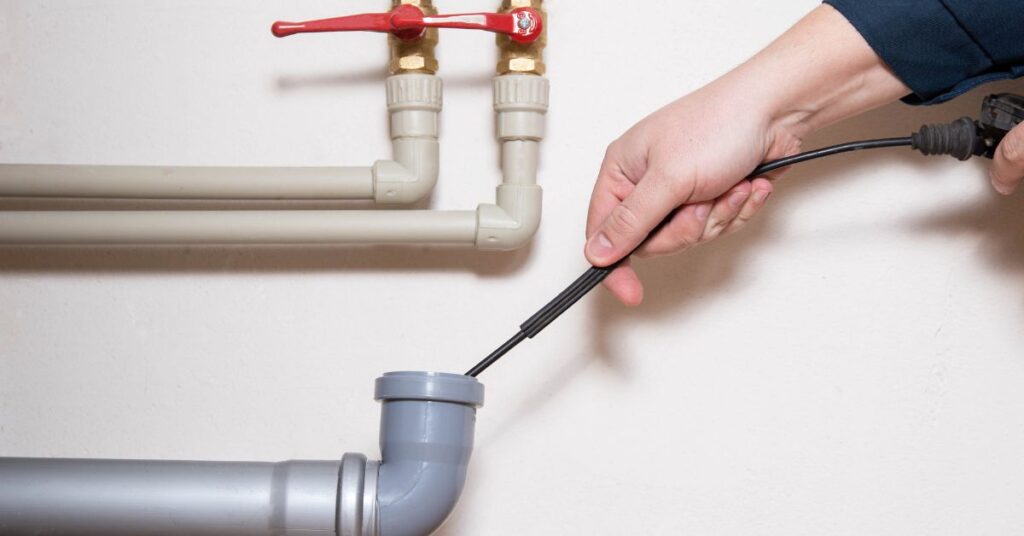
Drain blockages are a common issue for Burlington homeowners, often affecting bathtubs, sinks, and sewer systems. This section explores how to identify clogged drains, provides effective methods for clearing minor blockages, and explains when to seek professional help for more serious plumbing problems like leaks or sump pump failures. Understanding these aspects can help prevent costly pipe repairs and maintain a healthy plumbing system.

Identify the Signs of Clogged Drains in Your Property

Burlington homeowners can identify clogged drains by observing slow water drainage, gurgling sounds, or unpleasant odors from pipes. These signs often indicate the need for professional drain cleaning services or plumbers to address potential pipe bursting issues. Prompt action can prevent sewage backups and minimize repair costs. Here’s a quick guide to common drain blockage signs:

Sign Possible Issue Recommended Action
Slow drainage   Partial blockage Try plunging or call for drain cleaning      
Gurgling sounds   Air trapped in pipes Schedule professional inspection
Foul odors    Potential sewage backup      Contact plumber immediately

Learn Effective Methods to Clear Minor Drain Blockages

Burlington homeowners can employ several effective methods to clear minor drain blockages without requiring professional intervention. These techniques include using a plunger, a drain snake, or a mixture of baking soda and vinegar. For more persistent clogs, homeowners may need to consider sewer line inspection or emergency sump pump services. Regular maintenance and proper disposal practices can help prevent future blockages and potential sewer replacement:

  • Use a plunger for sink and bathtub clogs
  • Try a drain snake for deeper blockages
  • Apply a baking soda and vinegar mixture for organic clogs
  • Consider chemical drain cleaners as a last resort
  • Schedule regular sewer line inspections for preventive maintenance

Understand When to Call a Professional Plumber for Help

Burlington homeowners should contact a professional Burlington plumber when facing persistent drain blockages, unusual odors, or visible water damage. Experienced plumbers in Burlington offer specialized residential drain cleaning services, utilizing advanced tools and techniques to address complex issues in kitchens, bathrooms, and main sewer lines. Professional drain cleaning ensures thorough removal of stubborn clogs and helps prevent future blockages, protecting the home’s plumbing system. When homeowners encounter these situations, they should promptly message a reputable plumbing service:

  • Multiple clogged drains throughout the house
  • Water backing up in sinks, toilets, or bathtubs
  • Persistent slow drainage despite DIY efforts
  • Foul odors emanating from drains or sewage smells
  • Visible water damage or wet spots on walls, floors, or ceilings

Persistent Leaky Faucets Affecting Burlington Residents
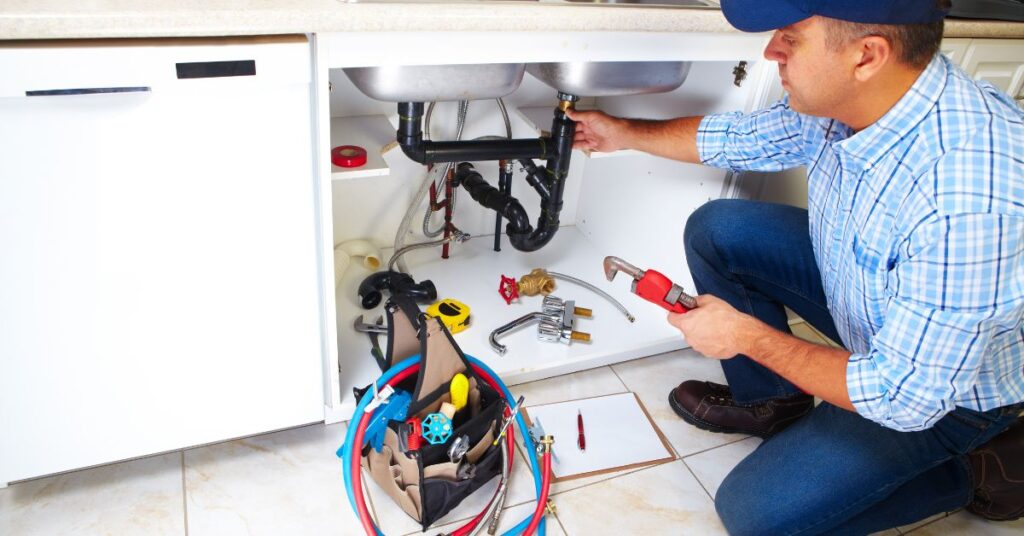
Leaky faucets are a common plumbing issue for Burlington residents, often leading to water waste and increased utility bills. This section examines the causes of dripping faucets, explores effective DIY fixes, and highlights when professional drain services are necessary. Understanding these aspects can help homeowners address minor leaks and recognize when expert assistance is needed for more complex problems, including sewer line or root-related issues.

Discover the Causes Behind Dripping Faucets in Your Home

Burlington residents often encounter dripping faucets due to various factors affecting their drain lines and plumbing systems. Common causes include worn-out washers, corroded valve seats, or loose parts within the faucet assembly. These issues can lead to persistent leaks, potentially causing clogs in drains or toilets if left unaddressed. Plumbers employ advanced technology to diagnose and repair these problems efficiently, ensuring proper water flow and preventing further damage to the home’s drainage system:

Cause Symptom Solution
Worn washer Continuous dripping Replace washer
Corroded valve seat     Leaking around spout base        Clean or replace valve seat
Loose parts Inconsistent water flow Tighten or replace components       

Explore DIY Fixes for Leaky Faucets and Their Effectiveness

Burlington homeowners can attempt several DIY fixes for leaky faucets before calling professional plumbing services. Common solutions include replacing worn washers, tightening loose parts, or cleaning mineral deposits from the valve seat. These methods often prove effective for minor leaks and can help maintain proper drainage. However, if DIY attempts fail or the issue persists, it may indicate a more complex problem requiring advanced techniques such as video inspections or pump repairs. In such cases, contacting a professional plumber ensures thorough diagnosis and long-lasting solutions:

  • Replacing washers in compression faucets
  • Cleaning or replacing O-rings in cartridge faucets
  • Tightening loose connections with adjustable pliers
  • Cleaning mineral deposits from faucet aerators
  • Lubricating moving parts to reduce friction and wear

Know When to Seek Expert Assistance for Faucet Repairs

Burlington homeowners should seek expert assistance for faucet repairs when DIY methods fail to resolve persistent leaks or when they encounter complex issues with their sink or pipeline systems. Professional plumbers possess the necessary tools and expertise to diagnose and address intricate problems, such as tree root intrusions or severe clogs that may affect multiple fixtures. By engaging a skilled plumber for thorough cleaning and repair services, residents can ensure their plumbing systems operate efficiently and avoid potential water damage or costly replacements in the future.

Frequent Toilet Issues Faced by Homeowners in Burlington
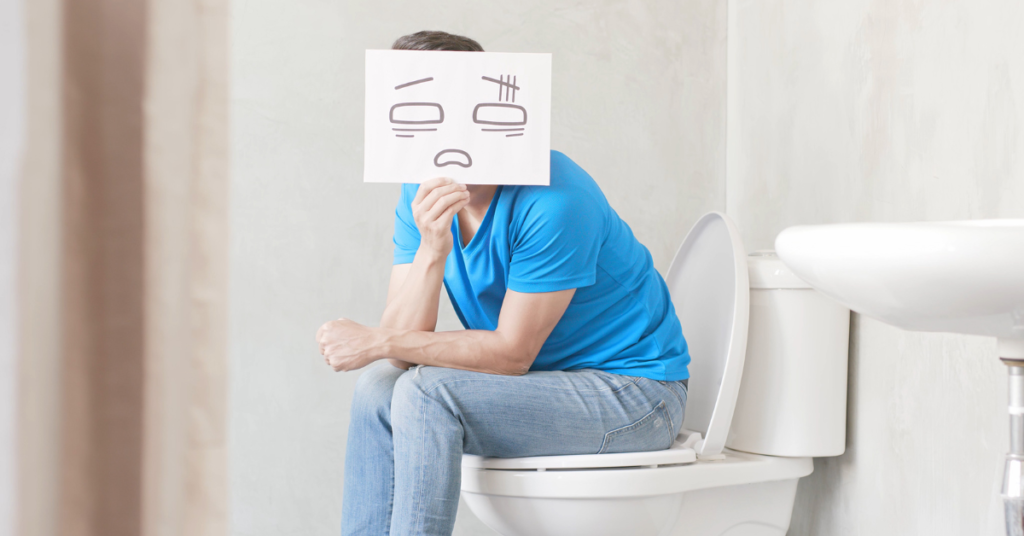
Burlington toilet repair

Burlington homeowners often face common toilet issues, including clogged drains and running toilets. This section explores how to recognize typical problems, implement simple solutions, and prevent future malfunctions. Understanding these aspects can help residents address minor issues and know when to seek professional plumbing services for more complex problems like septic tank or dishwasher-related concerns.

Recognize Typical Toilet Problems and Their Symptoms

Burlington homeowners often encounter typical toilet problems that require prompt plumbing repair. Common issues include slow-flushing toilets, constant running, and clogged drains, which may indicate problems with sewer lines or require professional drain cleaning services. Homeowners might notice water pooling around the base of the toilet, unusual noises during flushing, or incomplete bowl emptying, signaling potential issues with the toilet’s internal mechanisms or connected plumbing systems.

Implement Simple Solutions for Running or Clogged Toilets

Burlington homeowners can implement simple solutions for running or clogged toilets to address common plumbing issues in their bathrooms. For running toilets, adjusting the float ball or replacing the flapper valve often resolves the problem. In cases of clogs, using a plunger or a toilet auger can effectively clear minor blockages in the drain. These DIY methods can save water and prevent potential basement flooding, but for persistent issues, contacting a Burlington plumbing professional is recommended:

Issue Simple Solution When to Call a Professional
Running toilet        Adjust float ball or replace flapper Persistent running after DIY attempts
Clogged toilet Use plunger or toilet auger Recurring clogs or slow draining
Weak flush Clean rim jets and adjust water level         Consistently poor flushing performance        

Find Out How to Prevent Future Toilet Malfunctions

Homeowners in Burlington can prevent future toilet malfunctions through regular maintenance and proactive measures. Conducting periodic inspections of the toilet’s components, such as the flapper and fill valve, helps identify potential issues before they escalate. Using a drain cleaner specifically designed for toilets can prevent clogs and maintain proper sewer and drain function. Customers should also be mindful of what they flush, avoiding items that can cause blockages. Implementing a leak detection system can alert homeowners to hidden problems, allowing for timely repairs and preventing water damage.

Conclusion

Burlington homeowners face a range of common plumbing issues, from drain blockages and leaky faucets to toilet malfunctions and water heater problems. Regular maintenance and prompt attention to warning signs can prevent minor issues from escalating into costly repairs or system failures. Understanding the causes and symptoms of these plumbing troubles empowers residents to take proactive measures and seek professional help when necessary. By addressing plumbing issues promptly and effectively, Burlington homeowners can protect their properties from water damage, maintain efficient systems, and ensure the comfort and safety of their living spaces.

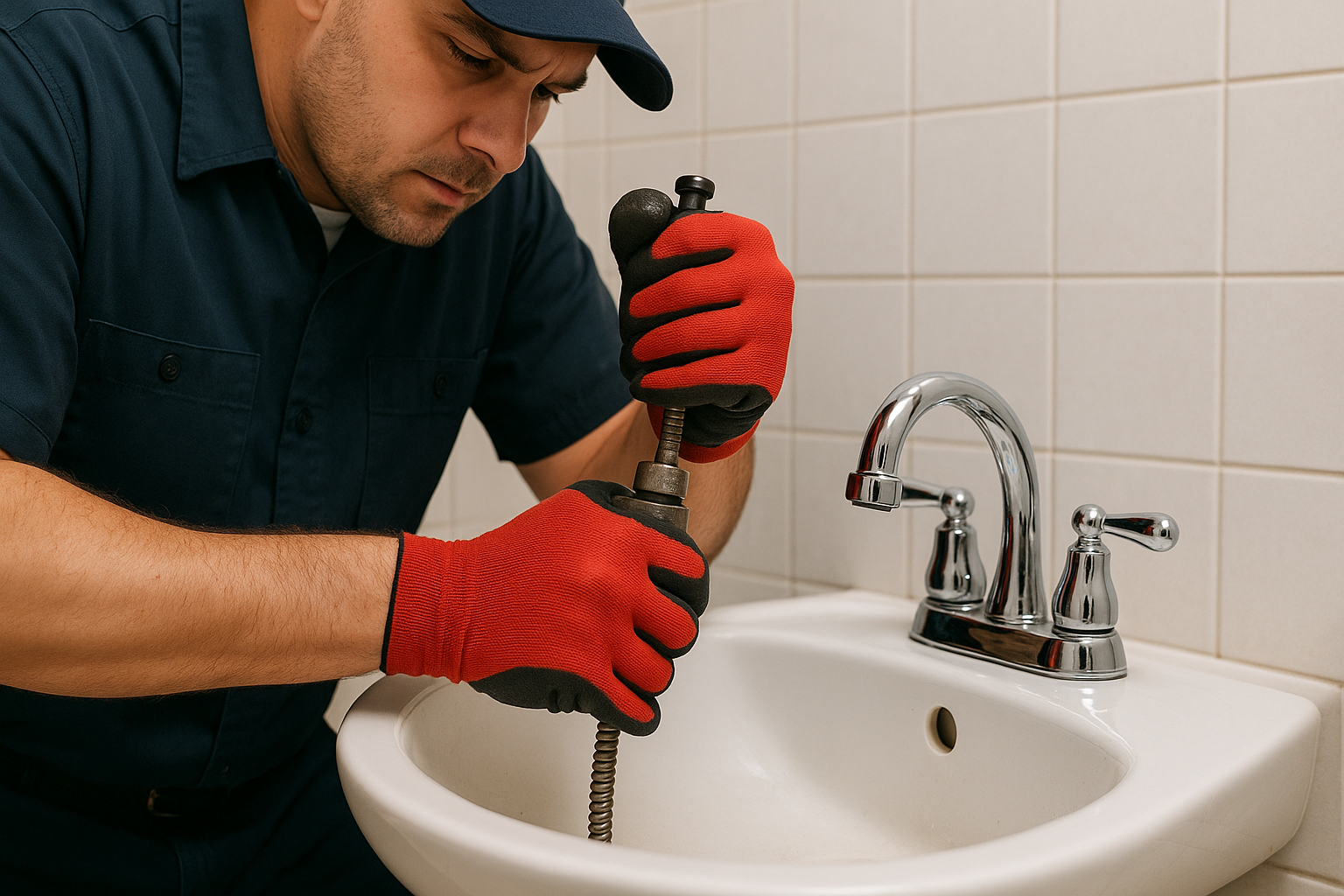
Top 5 Reasons Drains Get Clogged

new milford plumber drain cleaning

Clogged drains are a common household issue that can lead to slow water flow, unpleasant odors, and even more severe plumbing problems if left untreated. Understanding the common causes of clogged drains can help you prevent them from occurring in the first place. Here are the top five reasons why drains get clogged:

Hair Buildup

Hair is one of the leading culprits behind clogged bathroom drains. Whether it’s from showering, shaving, or washing your hair, strands can easily accumulate in the drain, combining with soap scum and other debris to form stubborn blockages. Over time, this buildup restricts water flow, leading to slow drains or complete blockages. Using drain covers or regularly cleaning out hair from the drain can help prevent this issue.

Grease and Fat

In the kitchen, grease and fat are notorious for causing clogs. When you pour cooking oil, grease, or fatty substances down the sink, they can solidify as they cool, sticking to the inside of your pipes. Over time, this greasy buildup narrows the passage for water to flow, leading to slow draining or complete clogs. To avoid this, always dispose of grease in a container and throw it in the trash instead of pouring it down the drain.

Soap Scum

Soap may seem harmless, but over time, soap residue can accumulate inside your pipes. Most soaps contain fats and oils that combine with the minerals in water to create a sticky substance known as soap scum. This scum can cling to the walls of your pipes, trapping other debris and causing blockages. Using soap alternatives, such as liquid soap or body wash, can help reduce soap scum buildup.

Food Waste

Food waste is another major contributor to clogged kitchen drains. Even if you have a garbage disposal, certain food items should never go down the drain. Items like coffee grounds, eggshells, pasta, rice, and fibrous vegetables can accumulate in your pipes, causing blockages over time. To prevent this, scrape food scraps into the trash or compost bin and use your garbage disposal sparingly.

Foreign Objects

Sometimes, drains become clogged due to foreign objects accidentally or intentionally being flushed or washed down. Items like small toys, jewelry, cotton swabs, sanitary products, and even excessive amounts of toilet paper can obstruct the pipes and lead to blockages. Being mindful of what goes down your drains and toilets can help prevent these types of clogs.

Conclusion

Clogged drains are an inconvenience, but understanding their causes can help you take steps to prevent them. By keeping hair, grease, soap scum, food waste, and foreign objects out of your drains, you can maintain healthy plumbing and avoid the hassle of dealing with clogs. Regular drain maintenance and using strainers in your sinks and showers can also go a long way in preventing blockages before they start.

What Exactly Is Drain Cleaning – And When Is It Needed?

bethlehem drain cleaning

Picture this: you’re hosting friends at your Bethlehem home, and just as you’re prepping dinner, the kitchen sink decides to move at a snail’s pace. Water lingers, dishes pile up, and you realize this isn’t the first time you’ve noticed it. That’s the moment many homeowners ask themselves—what exactly is drain cleaning, and when is it really needed?

Drain cleaning is more than unclogging a sink. It’s a preventative service designed to keep your plumbing system working smoothly, protecting your home and your wallet from bigger problems down the road.

What Exactly Is Drain Cleaning?

Drain cleaning is the process of removing buildup, debris, and blockages inside your pipes to restore proper water flow. Unlike a quick DIY fix with a plunger, professional drain cleaning goes deeper. Plumbers in Bethlehem often use:

  • Drain snaking: A flexible auger that breaks up clogs and clears debris.

  • Hydro-jetting: High-pressure water streams that scrub pipes clean of grease, sludge, and even tree roots.

  • Video camera inspections: Tools that allow plumbers to see inside pipes, spot issues, and recommend solutions.

The goal isn’t just to fix the current problem—it’s to prevent recurring clogs and extend the lifespan of your plumbing system.

Signs You Might Need Drain Cleaning

Most clogs don’t appear overnight. They build up over time, and your drains will usually send warning signals:

  • Slow-moving drains: Sinks or tubs that take forever to empty.

  • Recurring clogs: That shower drain you clear every few weeks? It needs more than a temporary fix.

  • Strange noises: Gurgling or bubbling sounds coming from toilets or drains.

  • Unpleasant odors: Foul smells wafting from your kitchen sink or bathroom.

  • Backups: Water (or worse, sewage) backing up into sinks, tubs, or toilets.

For Bethlehem homeowners, these signs are especially common because many homes rely on septic systems and older plumbing—both of which are more prone to drainage issues.

DIY vs. Professional Drain Cleaning

It’s tempting to reach for a bottle of chemical cleaner when you spot a clog. But here’s the deal: chemical drain cleaners often corrode your pipes and damage the environment. They’re a short-term bandage, not a long-term solution.

Safe DIY options include:

  • Using a plunger to dislodge minor clogs.

  • Installing drain strainers to catch hair and debris.

  • Flushing drains with hot water (avoid boiling water in PVC pipes).

When clogs become frequent, stubborn, or affect multiple drains, it’s time to call in Bethlehem plumbers. Professionals have the right tools, from hydro-jetters to cameras, and they’ll get the job done without putting your plumbing system at risk.

How Often Should Drains Be Cleaned?

Think of drain cleaning like an annual check-up for your plumbing. For most Bethlehem homes:

  • Annually: Preventative drain cleaning once a year is ideal for older homes or homes with heavy water use.

  • Bi-annually: Households with large families or septic systems may benefit from cleaning every six months.

  • High-use drains: Kitchens, laundry, and bathroom sinks should get extra attention since they handle the most debris.

Preventative care beats emergency repairs every time. Waiting until a drain is completely blocked can mean higher bills and possible damage to your septic or sewer lines.

Why Professional Drain Cleaning Matters in Bethlehem, CT

Bethlehem has its own plumbing challenges, and that’s why local expertise matters:

  • Older homes: Many Bethlehem houses have aging pipes more prone to corrosion and buildup.

  • Tree root intrusion: Rural properties with large trees often deal with roots invading sewer lines.

  • Hard water: Homes on well systems face mineral buildup that can narrow pipes.

  • Septic systems: Proper drainage is essential to avoid overloading your system.

Professional drain cleaning not only solves immediate problems but also protects your plumbing system against Bethlehem’s unique challenges.

Conclusion

Drain cleaning isn’t just about clearing today’s clog—it’s about protecting your home’s plumbing for the long haul. For Bethlehem homeowners, where septic systems, older pipes, and well water are common, routine drain maintenance is a smart investment.

If your drains are slowing down, smelling off, or constantly clogging, don’t wait until it turns into a plumbing emergency. Take action now and schedule professional service.

👉 Schedule Service with Escape Plumbing today, and keep your Bethlehem home flowing smoothly.

The Top Plumbing Repair Services to Keep on Speed Dial

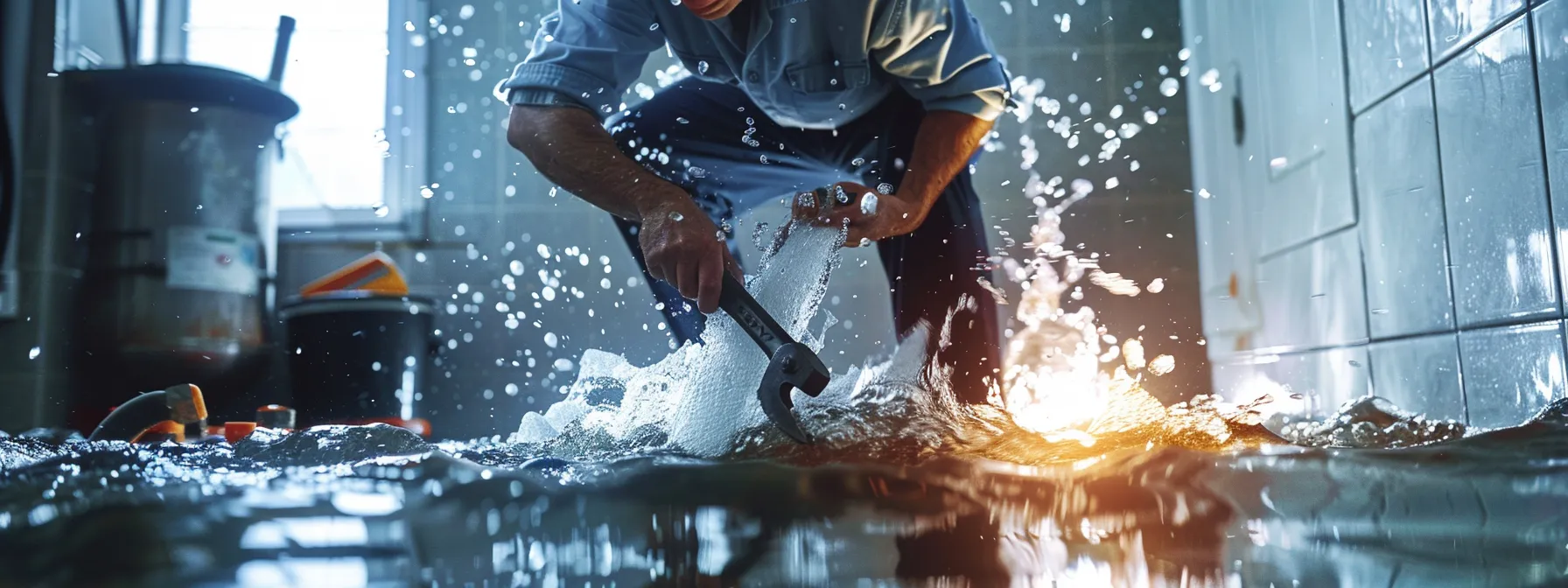
a plumber using a heavy-duty wrench to fix a burst pipe, surrounded by water gushing out in a residential basement.


Are you facing a sudden plumbing emergency in your home? Escape Plumbing & Heating offers essential repair services for immediate assistance. This article covers common plumbing issues like water leaks, floods, and heating problems. You’ll learn about quick actions to mitigate damage, available repair services, and how to find reliable plumbers near you. By the end, you’ll be equipped to handle plumbing emergencies and prevent future issues, ensuring your home stays safe and dry.

Understanding Common Plumbing Emergencies

Plumbing emergencies can arise unexpectedly, leaving homeowners in a state of panic and uncertainty. It is crucial to understand the common plumbing emergencies that may occur in a household to effectively handle the situation and prevent further damage. One common emergency is a burst pipe, which can occur due to freezing temperatures or excessive water pressure. This can lead to flooding and extensive water damage if not addressed promptly. In such cases, it is essential to turn off the main water supply immediately and contact a professional plumber for assistance.

Another common plumbing emergency is a clogged drain, which can cause water to back up and overflow in sinks, showers, or toilets. This can be due to various factors such as hair, grease, or foreign objects obstructing the pipes. It is important not to use chemical drain cleaners as they can cause further damage to the pipes. Instead, a plumber can use specialized tools to clear the blockage efficiently. Additionally, a malfunctioning water heater can also be classified as a plumbing emergency, especially during cold weather. Lack of hot water can disrupt daily activities and indicate a problem with the heater that requires immediate attention from a professional plumber.

Plumbing emergencies can strike without warning, causing significant damage if not addressed promptly. This section covers four critical issues: burst pipes, severe drain clogs, water heater failures, and sewer line backups. Understanding these common plumbing problems helps homeowners identify when to call a professional plumber for immediate assistance, preventing costly repairs and ensuring household safety.

Identifying Signs of Burst Pipes

Burst pipes often manifest through visible signs of water damage, such as wet spots on walls, ceilings, or floors. Homeowners may notice a sudden drop in water pressure from taps or toilets, indicating a potential rupture in the plumbing system. Unusual sounds like hissing or banging within walls can also signal a burst pipe, requiring immediate plumbing repair near me.

In severe cases, burst pipes can lead to flooding and extensive water damage throughout the home. Sewage backups may occur if the rupture affects waste lines, posing health risks and necessitating professional intervention. Prompt identification and action are crucial to minimize damage and restore proper plumbing function.

Dealing With Severe Drain Clogs

Severe drain clogs in the bathroom or kitchen sink can disrupt daily routines and lead to potential water damage. These blockages often result from accumulated hair, soap scum, or food particles, requiring professional maintenance to resolve. Homeowners may notice slow drainage, unpleasant odors, or gurgling sounds, indicating the need for immediate attention.

While some clogs can be addressed with DIY methods, severe blockages often necessitate professional plumbing services. A licensed plumber can use specialized tools to clear stubborn clogs without damaging pipes or fixtures. Regular maintenance can prevent future issues and may be covered by some homeowners’ insurance policies, making it a wise investment for shower and sink upkeep.

Addressing Water Heater Failures

Water heater failures can disrupt daily routines and cause significant inconvenience. Homeowners may notice inconsistent water temperatures, strange noises from the tank, or leaks around the unit’s base. These issues often stem from sediment buildup, faulty heating elements, or excessive water pressure, requiring prompt inspection by a professional plumber.

A malfunctioning water heater can lead to more severe problems, including pipe bursts or water supply interruptions. Regular maintenance, including flushing the tank and checking the pressure relief valve, can prevent many common issues. In some cases, installing a sump pump near the water heater can mitigate potential flooding risks associated with tank failures.

Handling Sewer Line Backups

Sewer line backups present a significant emergency for homeowners, often resulting in costly repairs and potential health hazards. These issues can stem from various sources, including tree root intrusion, pipe collapse, or blockages caused by improper disposal of items in toilets or washing machines. Customers experiencing foul odors, slow drains, or gurgling sounds should contact a professional plumber immediately to assess the situation and prevent further damage.

Professional plumbers utilize advanced diagnostic tools, such as video camera inspections, to identify the root cause of sewer line backups and determine the most cost-effective solution. In some cases, water softening systems can help prevent mineral buildup in pipes, reducing the risk of blockages. Homeowners should also consider regular maintenance and inspections to catch potential issues before they escalate into full-blown emergencies, potentially saving significant repair costs in the long run.

Immediate Actions to Mitigate Plumbing Issues

When plumbing emergencies occur, swift action is crucial. This section outlines immediate steps homeowners can take to mitigate issues, including turning off the main water supply, safely draining water systems, applying temporary fixes, protecting homes from water damage, and contacting professional assistance. These measures, combined with proper valve maintenance and customer service support, can prevent extensive damage to septic tanks, HVAC systems, and other home components.

Turning Off the Main Water Supply

Locating and shutting off the main water supply valve is crucial during plumbing emergencies. This valve, typically found near the water meter or where the main line enters the house, stops water flow to the entire property. Homeowners should familiarize themselves with its location before an emergency occurs, enabling quick action to prevent extensive water damage and facilitate emergency plumbing repair.

After turning off the main water supply, homeowners should open all faucets to drain remaining water from the pipes. This step is essential for preventing further leaks and preparing the system for plumbing services, such as drain cleaning or rooter service. For issues related to specific appliances like water heaters, locating and shutting off their individual supply valves can isolate the problem while maintaining water access to other parts of the home.

Safely Draining Water Systems

Safely draining water systems is a crucial step for homeowners facing plumbing emergencies. After shutting off the main water supply, individuals should systematically open all faucets, starting from the highest point in the house and working downward. This process helps release pressure and prevents potential damage during plumbing repairs, potentially reducing overall plumbing repair costs.

For more complex systems, such as those connected to furnace repair or specialized plumbing fixtures, homeowners may need to consult their property’s plumbing schematics. Professional plumbers often recommend leaving certain valves partially open to prevent vacuum formation in the pipes, which can complicate future repairs and increase plumbing repair costs. Proper drainage techniques can significantly impact the efficiency and effectiveness of subsequent plumbing interventions.

Temporary Fixes to Prevent Damage

Homeowners can apply temporary fixes to prevent further damage during plumbing emergencies. For minor pipe leaks, plumber’s tape or epoxy putty can provide a short-term solution until professional plumbing repair services arrive. In cases of water heater installation issues, adjusting the thermostat or relighting the pilot light may temporarily restore hot water supply.

For air conditioning repair and heating-related plumbing problems, homeowners can check and replace air filters or clear debris from outdoor units to improve system efficiency. In emergency plumbing situations involving severe leaks, using buckets to collect water and applying pressure to the affected area can minimize water damage until professional assistance arrives.

Protecting Your Home From Water Damage

To protect homes from water damage during plumbing emergencies, homeowners should act quickly to remove valuable items from affected areas. Emergency plumbing services often recommend using towels, mops, and wet vacuums to extract standing water, while dehumidifiers and fans can help dry out damp spaces. Plumbers emphasize the importance of addressing electrical hazards by turning off power to affected areas before attempting any cleanup.

Professional service plumbing teams advise homeowners to document water damage for insurance purposes and to prioritize water heater repairs to prevent further issues. Experienced plumbers often suggest installing water detection devices near prone areas like washing machines and water heaters to provide early warnings of leaks. These proactive measures can significantly reduce the risk of extensive water damage and the need for emergency plumbing service.

Contacting Professional Assistance

When facing plumbing emergencies, homeowners should promptly contact us at Escape Plumbing & Heating. Experienced plumbers can address complex issues such as sump pump failures, filtration system malfunctions, or pilot light problems efficiently. Many reputable companies offer flat rate pricing for emergency services, providing transparency and peace of mind to customers during stressful situations.

Professional assistance ensures proper diagnosis and repair of plumbing issues, preventing further damage and potential health hazards. Plumbers possess specialized tools and knowledge to handle a wide range of problems, from simple fixture repairs to complex sewer line issues. Homeowners should keep emergency plumbing contact information readily available to expedite response times and minimize property damage during critical situations.