
How to Troubleshoot Your Garbage Disposal Quickly

a sleek, modern kitchen is illuminated by soft overhead lighting, showcasing a gleaming stainless steel garbage disposal unit installed beneath a pristine countertop, with a vibrant array of fresh fruits and neatly organized utensils for an inviting, functional atmosphere.


Are you struggling with garbage disposal maintenance and proper usage? This guide offers expert insights on caring for your disposal, covering functionality basics, effective maintenance tips, and safe usage practices. You’ll learn how to troubleshoot common issues, adopt eco-friendly habits, and explore upgrade options. By following these expert recommendations, you’ll extend your disposal’s lifespan, prevent costly repairs, and ensure efficient operation in your kitchen.

Understand the Basics of Garbage Disposal Functionality
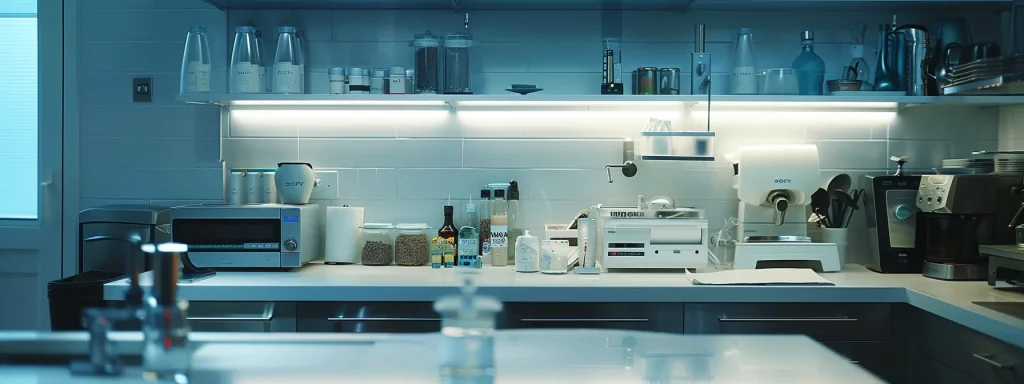
a sleek, modern kitchen featuring a prominently installed garbage disposal unit, with an organized countertop displaying various disposal components and tools, illuminated by brilliant artificial lighting that highlights the functionality and efficiency of the setup.

Understanding garbage disposal functionality is crucial for effective use and maintenance. This section explores how disposal units operate, identifies key components, and examines various types and models. Proper knowledge can prevent plumbing problems, save money on repairs, and ensure efficient disposal installation. By grasping these fundamentals, homeowners can optimize their unit’s performance and lifespan.

Learn How a Garbage Disposal Unit Operates Effectively

Garbage disposal units operate by grinding food waste into small particles that can safely pass through the plumbing system. When activated, the unit’s motor spins an impeller plate, which forces food against a stationary grind ring. This process reduces waste to a liquid slurry that flows into the kitchen sink drain. Homeowners can optimize their disposal’s performance by running cold water during operation and avoiding overloading. Regular maintenance by plumbers near me residential can prevent issues and extend the unit’s lifespan, potentially saving on insurance policy claims.

Identify the Main Components of Your Disposal System

Garbage disposal systems consist of several key components that work together to efficiently grind food waste. The main parts include the motor, impeller plate, grinding chamber, and drain connection. Commercial-grade disposals often feature more powerful motors and larger grinding chambers. Understanding these components helps homeowners budget for maintenance and provides valuable information for troubleshooting issues. Regular inspection of these parts can prevent major problems and extend the system’s lifespan, much like how a thermostat regulates temperature in a home. Plumbers can quickly identify the root cause of disposal problems by examining these essential elements:

ComponentFunctionMaintenance Tip
MotorPowers the disposalCheck for unusual noises
Impeller PlateGrinds food wasteInspect for wear regularly  
Grinding Chamber   Contains waste during grinding   Clean periodically
Drain ConnectionConnects to plumbing systemCheck for leaks

Explore Different Types and Models of Disposal Units

Garbage disposal units come in various types and models, each designed to meet specific residential plumbing needs. Continuous-feed disposals, the most common type, allow users to add waste while the unit operates. Batch-feed models, on the other hand, require a cover to be in place before activation, offering enhanced safety. For those constructing new homes or upgrading their kitchens, selecting the right disposal unit is crucial. Factors to consider include motor power, grinding capacity, and noise level. High-end models often incorporate advanced features like sound insulation and anti-jamming technology, similar to how javascript enhances website functionality. When choosing a disposal, homeowners should consider their household size, kitchen layout, and typical food waste volume:

  • Continuous-feed disposals: Best for large households with frequent cooking
  • Batch-feed models: Ideal for safety-conscious users or homes with children
  • Compact units: Suitable for small kitchens or apartments
  • Heavy-duty disposals: Recommended for commercial use or large families
  • Septic-safe models: Designed for homes with septic systems

Discover Effective Maintenance Tips for Your Disposal
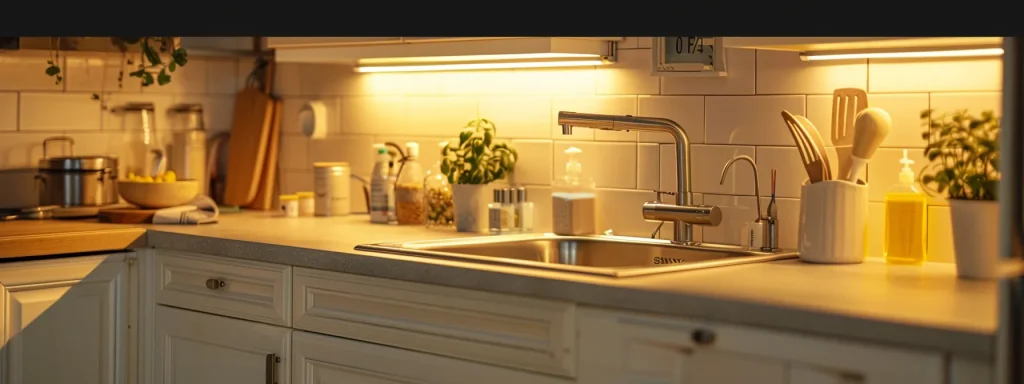
a clean, modern kitchen with a gleaming garbage disposal unit prominently displayed next to a neatly organized sink, illuminated by warm under-cabinet lighting, highlighting maintenance tools and cleaning supplies arranged on the counter, symbolizing effective home care practices.

Proper maintenance of garbage disposals is crucial for optimal performance and longevity. This section explores essential tips for keeping disposals in top condition, including regular cleaning routines, safe blade sharpening techniques, and recognizing maintenance indicators. By following these guidelines, homeowners can prevent clogs, improve efficiency, and avoid costly plumbing repairs. Understanding these maintenance practices is key to preserving both the disposal and the home’s overall plumbing system.

Schedule Regular Cleaning Routines to Prevent Clogs

Regular cleaning routines are essential for preventing clogs and maintaining optimal garbage disposal performance. Homeowners can schedule weekly cleanings by running cold water and grinding ice cubes, which helps remove debris and sharpen the blades. For tougher buildup, a mixture of baking soda and vinegar can be used, followed by hot water to flush the system. By incorporating these simple maintenance tasks into their routine, homeowners can avoid calling a pipefitter for costly repairs.

Use Proper Techniques for Sharpening Blades Safely

Safely sharpening garbage disposal blades is crucial for maintaining optimal performance and preventing emergency plumbing issues. Homeowners can use ice cubes and rock salt to sharpen the blades naturally, avoiding the need for manual sharpening that could damage the flange or cause a gas leak. This method is effective for both residential and commercial plumbing systems, including those with grease traps. Plumbing professionals recommend performing this maintenance task monthly to keep the disposal functioning efficiently and reduce the risk of clogs or backups.

Recognize Signs That Indicate Maintenance Is Needed

Recognizing signs that indicate maintenance is needed for a garbage disposal is crucial for preventing major plumbing issues. Homeowners should be alert to unusual noises, persistent odors, or slow draining from the sink, as these can signal problems requiring attention from a local Litchfield County plumber. If the disposal fails to turn on or experiences frequent jams, it may be time for a plumbing repair. Leaks around the unit’s base or connections to the tap and sink are also red flags that warrant immediate inspection by a qualified plumber to prevent water damage and ensure proper functionality.

Explore Troubleshooting Common Garbage Disposal Issues
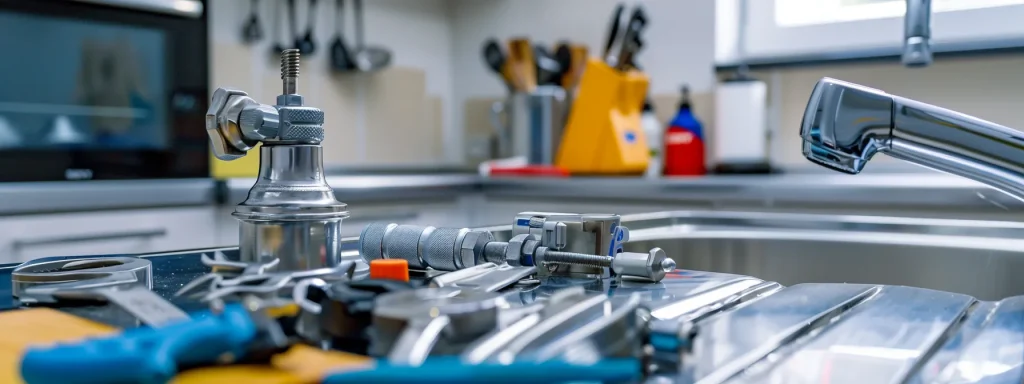
a modern kitchen with a sleek garbage disposal system prominently displayed, featuring a focused view of tools and a troubleshooting guide laid out on the counter, illuminated by bright, practical overhead lighting to convey a sense of clarity and efficiency in home maintenance.

Troubleshooting common garbage disposal issues is essential for maintaining a functional kitchen plumbing system. This section guides homeowners through identifying and fixing jams, resolving strange noises or odors, and recognizing when to call licensed plumbers. Understanding these troubleshooting techniques can help prevent costly repairs and extend the life of the disposal unit, ensuring efficient waste management and maintaining proper water flow.

Identify Causes of Jams and How to Fix Them

Garbage disposal jams often occur due to foreign objects or unsuitable food waste entering the unit. Plumbers identify common causes as utensils, large bones, or fibrous materials that the disposal’s technology cannot process effectively. To fix a jam, a residential plumber typically follows a systematic approach: disconnecting power, using a wrench to manually rotate the flywheel, and removing the obstruction. For stubborn jams, specialized tools may be necessary. Homeowners should exercise caution when attempting repairs, especially in homes with natural gas appliances, to prevent accidental damage to nearby systems:

Jam CauseFix MethodPrevention
Foreign objectsManual removal   Use sink strainer
Fibrous materialsRotate flywheelAvoid disposing tough fibers
Large food particles  Cut and regrindCut food into smaller pieces
Grease buildupHot water flushAvoid pouring grease down drain    

Resolve Strange Noises or Odors Effectively

Residential plumbers often encounter strange noises or odors emanating from garbage disposals, which can indicate underlying issues. Grinding sounds may suggest a foreign object in the unit, while persistent odors could signal trapped food particles or sewage backups. To resolve these problems effectively, homeowners should first run cold water and grind ice cubes to dislodge debris. If the issue persists, they may need to clean the disposal thoroughly or call for emergency plumbing services. In some cases, odors might be related to bathroom or air conditioning problems, requiring a comprehensive plumbing inspection to identify and address the root cause.

Know When to Seek Professional Repair Services

Homeowners should seek professional repair services when their garbage disposal exhibits persistent issues beyond simple troubleshooting. Residential plumbers near me can address complex problems such as repeated clogs, electrical malfunctions involving the extension cord, or water supply issues. If the disposal fails to turn on, makes unusual noises, or leaks excessively, it’s time to call a professional. Plumbers can also inspect the sump and sump pump to ensure proper drainage and prevent potential water damage. Timely professional intervention can prevent minor issues from escalating into costly repairs or replacements.

Conclusion

Proper understanding and maintenance of garbage disposals are crucial for efficient waste management and plumbing system longevity. Regular cleaning, safe usage practices, and timely troubleshooting can prevent costly repairs and extend the unit’s lifespan. Adopting eco-friendly disposal methods and considering modern upgrades can further enhance waste management efficiency while reducing environmental impact. By implementing these expert insights, homeowners can ensure optimal performance of their garbage disposals, maintain a healthy plumbing system, and contribute to sustainable household practices.

The Top Plumbing Repair Services to Keep on Speed Dial

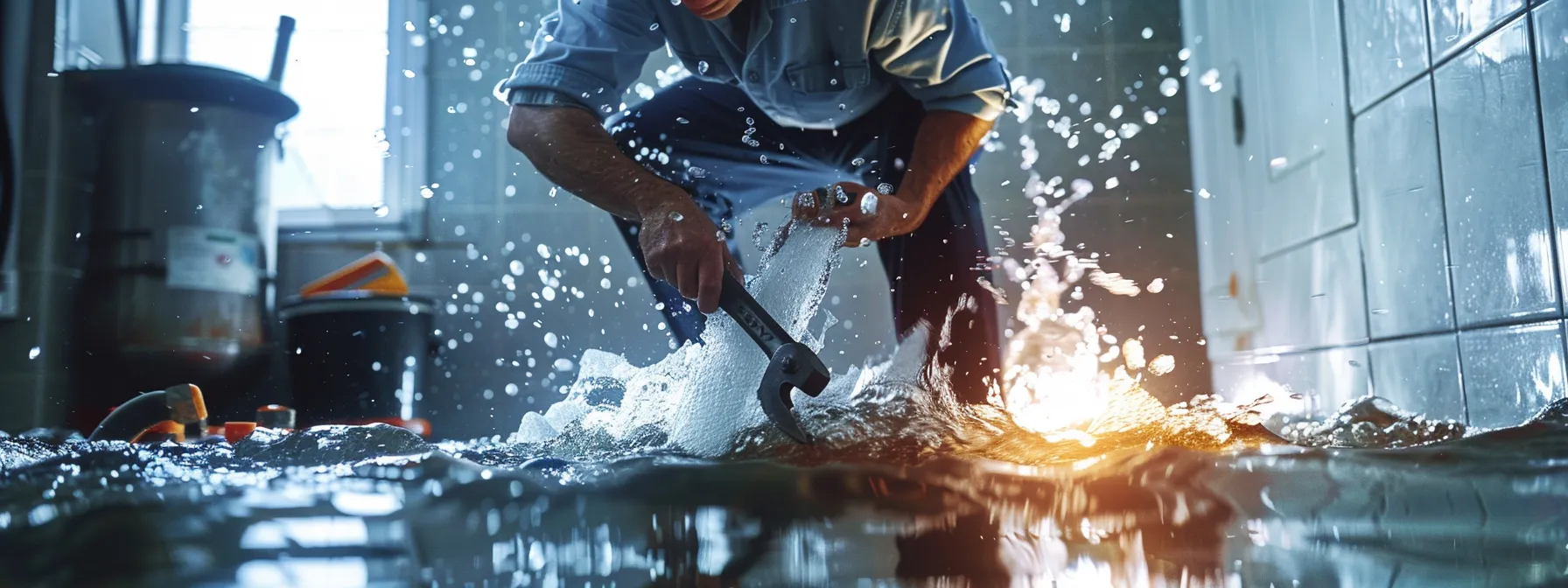
a plumber using a heavy-duty wrench to fix a burst pipe, surrounded by water gushing out in a residential basement.


Are you facing a sudden plumbing emergency in your home? Escape Plumbing & Heating offers essential repair services for immediate assistance. This article covers common plumbing issues like water leaks, floods, and heating problems. You’ll learn about quick actions to mitigate damage, available repair services, and how to find reliable plumbers near you. By the end, you’ll be equipped to handle plumbing emergencies and prevent future issues, ensuring your home stays safe and dry.

Understanding Common Plumbing Emergencies

Plumbing emergencies can arise unexpectedly, leaving homeowners in a state of panic and uncertainty. It is crucial to understand the common plumbing emergencies that may occur in a household to effectively handle the situation and prevent further damage. One common emergency is a burst pipe, which can occur due to freezing temperatures or excessive water pressure. This can lead to flooding and extensive water damage if not addressed promptly. In such cases, it is essential to turn off the main water supply immediately and contact a professional plumber for assistance.

Another common plumbing emergency is a clogged drain, which can cause water to back up and overflow in sinks, showers, or toilets. This can be due to various factors such as hair, grease, or foreign objects obstructing the pipes. It is important not to use chemical drain cleaners as they can cause further damage to the pipes. Instead, a plumber can use specialized tools to clear the blockage efficiently. Additionally, a malfunctioning water heater can also be classified as a plumbing emergency, especially during cold weather. Lack of hot water can disrupt daily activities and indicate a problem with the heater that requires immediate attention from a professional plumber.

Plumbing emergencies can strike without warning, causing significant damage if not addressed promptly. This section covers four critical issues: burst pipes, severe drain clogs, water heater failures, and sewer line backups. Understanding these common plumbing problems helps homeowners identify when to call a professional plumber for immediate assistance, preventing costly repairs and ensuring household safety.

Identifying Signs of Burst Pipes

Burst pipes often manifest through visible signs of water damage, such as wet spots on walls, ceilings, or floors. Homeowners may notice a sudden drop in water pressure from taps or toilets, indicating a potential rupture in the plumbing system. Unusual sounds like hissing or banging within walls can also signal a burst pipe, requiring immediate plumbing repair near me.

In severe cases, burst pipes can lead to flooding and extensive water damage throughout the home. Sewage backups may occur if the rupture affects waste lines, posing health risks and necessitating professional intervention. Prompt identification and action are crucial to minimize damage and restore proper plumbing function.

Dealing With Severe Drain Clogs

Severe drain clogs in the bathroom or kitchen sink can disrupt daily routines and lead to potential water damage. These blockages often result from accumulated hair, soap scum, or food particles, requiring professional maintenance to resolve. Homeowners may notice slow drainage, unpleasant odors, or gurgling sounds, indicating the need for immediate attention.

While some clogs can be addressed with DIY methods, severe blockages often necessitate professional plumbing services. A licensed plumber can use specialized tools to clear stubborn clogs without damaging pipes or fixtures. Regular maintenance can prevent future issues and may be covered by some homeowners’ insurance policies, making it a wise investment for shower and sink upkeep.

Addressing Water Heater Failures

Water heater failures can disrupt daily routines and cause significant inconvenience. Homeowners may notice inconsistent water temperatures, strange noises from the tank, or leaks around the unit’s base. These issues often stem from sediment buildup, faulty heating elements, or excessive water pressure, requiring prompt inspection by a professional plumber.

A malfunctioning water heater can lead to more severe problems, including pipe bursts or water supply interruptions. Regular maintenance, including flushing the tank and checking the pressure relief valve, can prevent many common issues. In some cases, installing a sump pump near the water heater can mitigate potential flooding risks associated with tank failures.

Handling Sewer Line Backups

Sewer line backups present a significant emergency for homeowners, often resulting in costly repairs and potential health hazards. These issues can stem from various sources, including tree root intrusion, pipe collapse, or blockages caused by improper disposal of items in toilets or washing machines. Customers experiencing foul odors, slow drains, or gurgling sounds should contact a professional plumber immediately to assess the situation and prevent further damage.

Professional plumbers utilize advanced diagnostic tools, such as video camera inspections, to identify the root cause of sewer line backups and determine the most cost-effective solution. In some cases, water softening systems can help prevent mineral buildup in pipes, reducing the risk of blockages. Homeowners should also consider regular maintenance and inspections to catch potential issues before they escalate into full-blown emergencies, potentially saving significant repair costs in the long run.

Immediate Actions to Mitigate Plumbing Issues

When plumbing emergencies occur, swift action is crucial. This section outlines immediate steps homeowners can take to mitigate issues, including turning off the main water supply, safely draining water systems, applying temporary fixes, protecting homes from water damage, and contacting professional assistance. These measures, combined with proper valve maintenance and customer service support, can prevent extensive damage to septic tanks, HVAC systems, and other home components.

Turning Off the Main Water Supply

Locating and shutting off the main water supply valve is crucial during plumbing emergencies. This valve, typically found near the water meter or where the main line enters the house, stops water flow to the entire property. Homeowners should familiarize themselves with its location before an emergency occurs, enabling quick action to prevent extensive water damage and facilitate emergency plumbing repair.

After turning off the main water supply, homeowners should open all faucets to drain remaining water from the pipes. This step is essential for preventing further leaks and preparing the system for plumbing services, such as drain cleaning or rooter service. For issues related to specific appliances like water heaters, locating and shutting off their individual supply valves can isolate the problem while maintaining water access to other parts of the home.

Safely Draining Water Systems

Safely draining water systems is a crucial step for homeowners facing plumbing emergencies. After shutting off the main water supply, individuals should systematically open all faucets, starting from the highest point in the house and working downward. This process helps release pressure and prevents potential damage during plumbing repairs, potentially reducing overall plumbing repair costs.

For more complex systems, such as those connected to furnace repair or specialized plumbing fixtures, homeowners may need to consult their property’s plumbing schematics. Professional plumbers often recommend leaving certain valves partially open to prevent vacuum formation in the pipes, which can complicate future repairs and increase plumbing repair costs. Proper drainage techniques can significantly impact the efficiency and effectiveness of subsequent plumbing interventions.

Temporary Fixes to Prevent Damage

Homeowners can apply temporary fixes to prevent further damage during plumbing emergencies. For minor pipe leaks, plumber’s tape or epoxy putty can provide a short-term solution until professional plumbing repair services arrive. In cases of water heater installation issues, adjusting the thermostat or relighting the pilot light may temporarily restore hot water supply.

For air conditioning repair and heating-related plumbing problems, homeowners can check and replace air filters or clear debris from outdoor units to improve system efficiency. In emergency plumbing situations involving severe leaks, using buckets to collect water and applying pressure to the affected area can minimize water damage until professional assistance arrives.

Protecting Your Home From Water Damage

To protect homes from water damage during plumbing emergencies, homeowners should act quickly to remove valuable items from affected areas. Emergency plumbing services often recommend using towels, mops, and wet vacuums to extract standing water, while dehumidifiers and fans can help dry out damp spaces. Plumbers emphasize the importance of addressing electrical hazards by turning off power to affected areas before attempting any cleanup.

Professional service plumbing teams advise homeowners to document water damage for insurance purposes and to prioritize water heater repairs to prevent further issues. Experienced plumbers often suggest installing water detection devices near prone areas like washing machines and water heaters to provide early warnings of leaks. These proactive measures can significantly reduce the risk of extensive water damage and the need for emergency plumbing service.

Contacting Professional Assistance

When facing plumbing emergencies, homeowners should promptly contact us at Escape Plumbing & Heating. Experienced plumbers can address complex issues such as sump pump failures, filtration system malfunctions, or pilot light problems efficiently. Many reputable companies offer flat rate pricing for emergency services, providing transparency and peace of mind to customers during stressful situations.

Professional assistance ensures proper diagnosis and repair of plumbing issues, preventing further damage and potential health hazards. Plumbers possess specialized tools and knowledge to handle a wide range of problems, from simple fixture repairs to complex sewer line issues. Homeowners should keep emergency plumbing contact information readily available to expedite response times and minimize property damage during critical situations.