A water heater rarely chooses a convenient morning to fail. A sump pump does not wait until the basement is dry to show signs of trouble. For homeowners in Litchfield County, plumbing maintenance plan benefits come down to one practical result: fewer surprises that interrupt your water, comfort, and budget.
Regular plumbing service is not about fixing problems that do not exist. It is about finding wear, leaks, pressure concerns, drainage issues, and equipment decline while there is still time to make a clear, planned decision. That matters in Northwest Connecticut homes, where private wells, hard water, aging pipes, basements, and seasonal temperature swings can place extra demands on plumbing systems.
What a Plumbing Maintenance Plan Does
A maintenance plan creates a dependable schedule for a trained technician to inspect the plumbing components that keep your household running. Depending on your home’s equipment, that can include your water heater, tankless unit, fixtures, exposed pipes, shutoff valves, sump pump, water tank, well pump, drains, and water-conditioning equipment.
The goal is not to replace every older part just because it has age on it. A good inspection separates equipment that is operating safely from equipment beginning to show wear. You receive straightforward information about what needs attention now, what can be monitored, and what may be worth planning for before it becomes an urgent repair.
For many homeowners, that predictability is the difference between scheduling a convenient service visit and scrambling to stop a leak, restore hot water, or protect a finished basement.
Plumbing Maintenance Plan Benefits That Matter Most
Catch small leaks before they damage the home
A slow leak under a sink, around a toilet connection, near a water heater, or along an exposed pipe can go unnoticed for months. By the time staining, warped flooring, moldy odors, or water damage appears, the repair may involve more than plumbing.
During maintenance, a technician can look for corrosion, loose fittings, moisture, worn supply lines, and early signs of pipe failure. Not every leak is visible from the surface, especially in utility areas or behind appliances. Early detection gives you more control over the repair and can prevent a minor issue from becoming an insurance claim or restoration project.
Help your water heater last and perform better
Your water heater works every day, even when you are not thinking about it. Sediment buildup, corrosion, pressure concerns, aging valves, and venting issues can reduce performance or shorten the equipment’s useful life.
Maintenance helps identify whether your system is heating efficiently and operating safely. For conventional tank water heaters, sediment is particularly relevant in homes with mineral-heavy water. For tankless systems, scale buildup can affect flow and efficiency if the unit is not serviced correctly.
There is a trade-off to consider. Maintenance cannot make an old water heater last forever. If the tank is corroding or the unit is near the end of its expected service life, replacement may be the more practical choice. The advantage of a plan is that you can evaluate that decision before you wake up to cold water or a leaking tank.
Protect a private well and reliable water supply
Many Connecticut homeowners depend on a private well, pressure tank, pump, and water-treatment equipment. These systems need attention for reasons that city-water homes may not face. A pressure switch issue, failing well pump, worn tank component, or treatment-system problem can affect water pressure, water quality, and the dependable supply your family expects.
Routine service helps spot inconsistent pressure, cycling concerns, visible component wear, and conditions that could put additional strain on your equipment. If your home has a water softener, filtration system, or other conditioning equipment, scheduled checks can also help confirm that it is serving its purpose and that maintenance needs are not being missed.
Reduce the risk of basement water problems
A sump pump is easy to overlook because it should remain quiet most of the time. But when heavy rain or snowmelt arrives, it becomes one of the most important systems in the house. A pump that fails to activate, a clogged discharge line, or a worn check valve can leave your basement vulnerable when you need protection most.
A maintenance visit can verify pump operation and help identify obvious concerns before wet weather tests the system. No inspection can guarantee that a future storm will never cause water problems, particularly if groundwater conditions are severe or a power outage occurs. Still, testing and maintaining the pump is far better than discovering a problem after water is already on the floor.
Keep drains and sewers from becoming an emergency
Slow drains are often treated as a minor annoyance until several fixtures begin backing up. Hair, soap residue, grease, scale, root intrusion, damaged pipe, or an issue in the main sewer line can all affect drainage. The right solution depends on the cause.
Maintenance gives homeowners a chance to discuss recurring drain symptoms early. A technician may recommend cleaning, repair, or a sewer video inspection when there is reason to look further into the line. That diagnostic step matters because repeated quick fixes are not always a solution. If the issue is roots or a damaged buried pipe, identifying the source prevents spending money on temporary relief again and again.
Improve safety around gas and water connections
Plumbing includes more than faucets and drains. Water lines, shutoff valves, appliance connections, and gas lines need professional attention when they show signs of trouble. Corrosion, improper connections, weak shutoff function, or aging flexible supply lines can create risks that are easy to miss during normal daily routines.
A maintenance plan does not replace a prompt service call when you smell gas, see active leaking, or lose water unexpectedly. Those situations need immediate attention. But regular evaluations can help reduce the chance that a developing issue reaches that point without warning.
Planned Service Is Usually Easier on Your Budget
Emergency repairs are sometimes unavoidable. A burst pipe during freezing weather, a failed water heater, or a sewer backup needs action right away. Yet many expensive plumbing emergencies begin with warning signs: a pump that cycles too often, water that takes longer to heat, a drain that repeatedly slows down, or a toilet that continues running.
A maintenance plan gives you the opportunity to handle recommended repairs on your timeline when possible. That can mean comparing repair and replacement options, considering efficiency improvements, and planning for larger work such as repiping or water-heater replacement without the pressure of an active failure.
The financial benefit depends on the condition of your home and equipment. A newer home with modern plumbing may need fewer repairs than an older property with original pipes or a private well system. Even so, professional maintenance provides a useful baseline. You know what is working, what is aging, and where a small investment now may prevent a larger disruption later.
What to Expect From a Professional Visit
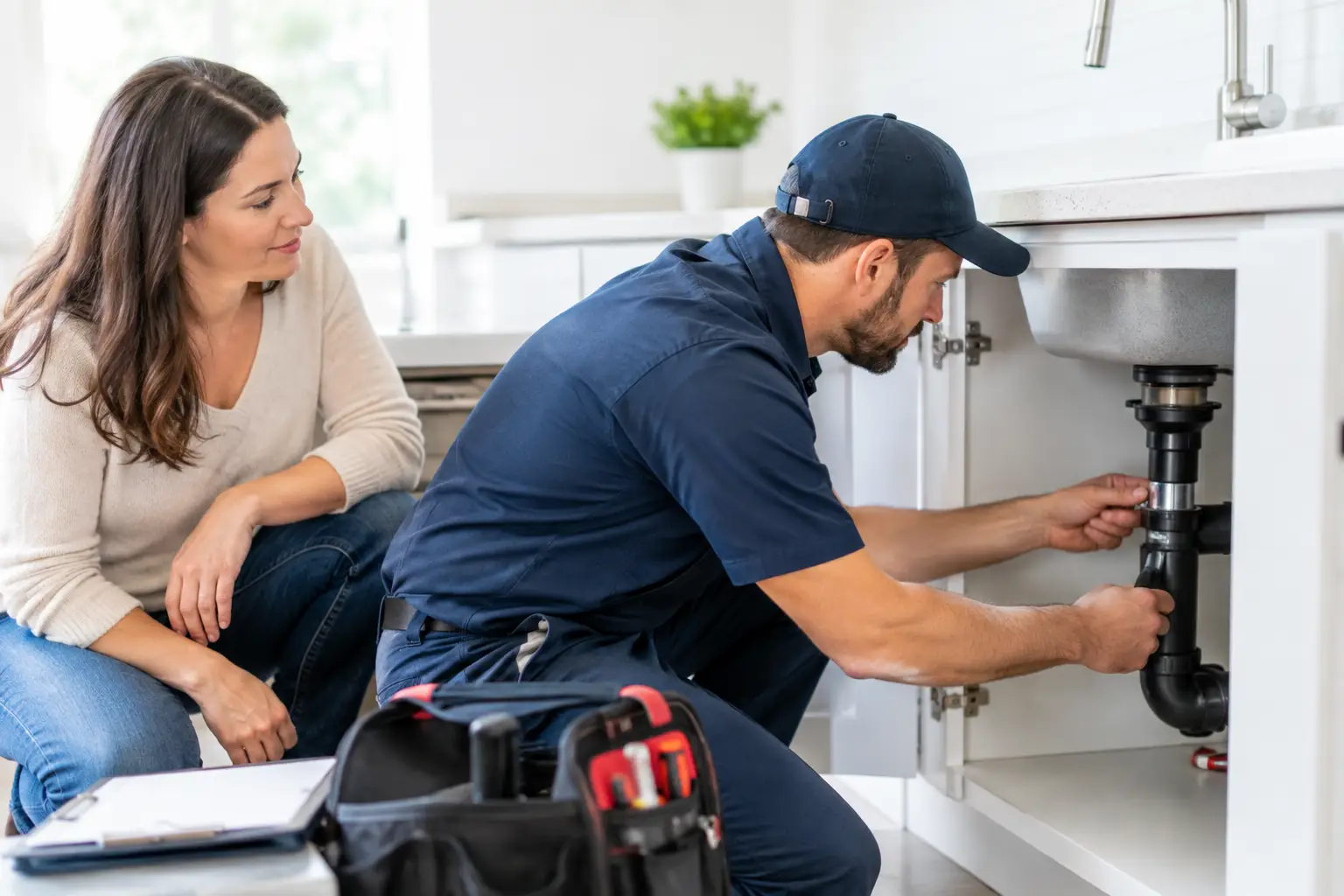
A worthwhile maintenance appointment should feel organized and clear. The technician should arrive prepared, inspect the appropriate systems for your home, explain findings in plain language, and provide upfront pricing before any recommended repair begins.
You should never feel pushed into replacing equipment that still has useful life. At the same time, you deserve an honest recommendation when a repair would only delay a likely failure. The best service balances immediate safety and reliability with the long-term needs of your home.
Escape Plumbing & Heating brings more than 30 years of Northwest Connecticut experience to that conversation. Whether your home relies on a well pump, sump pump, conventional water heater, tankless system, or older plumbing lines, experienced local service helps turn uncertain symptoms into a practical plan.
When a Maintenance Plan Makes the Most Sense
A plan is especially valuable if your home has older plumbing, a basement sump pump, a private well, hard-water concerns, a water heater approaching the later part of its life, or a history of recurring drain issues. It is also a smart choice for homeowners who travel, own a second property, or simply want fewer last-minute household decisions.
Even if everything appears to be working normally, annual attention can provide reassurance. Plumbing systems often decline gradually, and the earliest signs are not always obvious to the homeowner using them every day.
The most helpful next step is simple: pay attention to small changes in water pressure, hot-water performance, drain speed, pump operation, and unexplained moisture. Scheduling service before those changes become an emergency gives you more options, clearer costs, and a better chance of keeping your home comfortable.