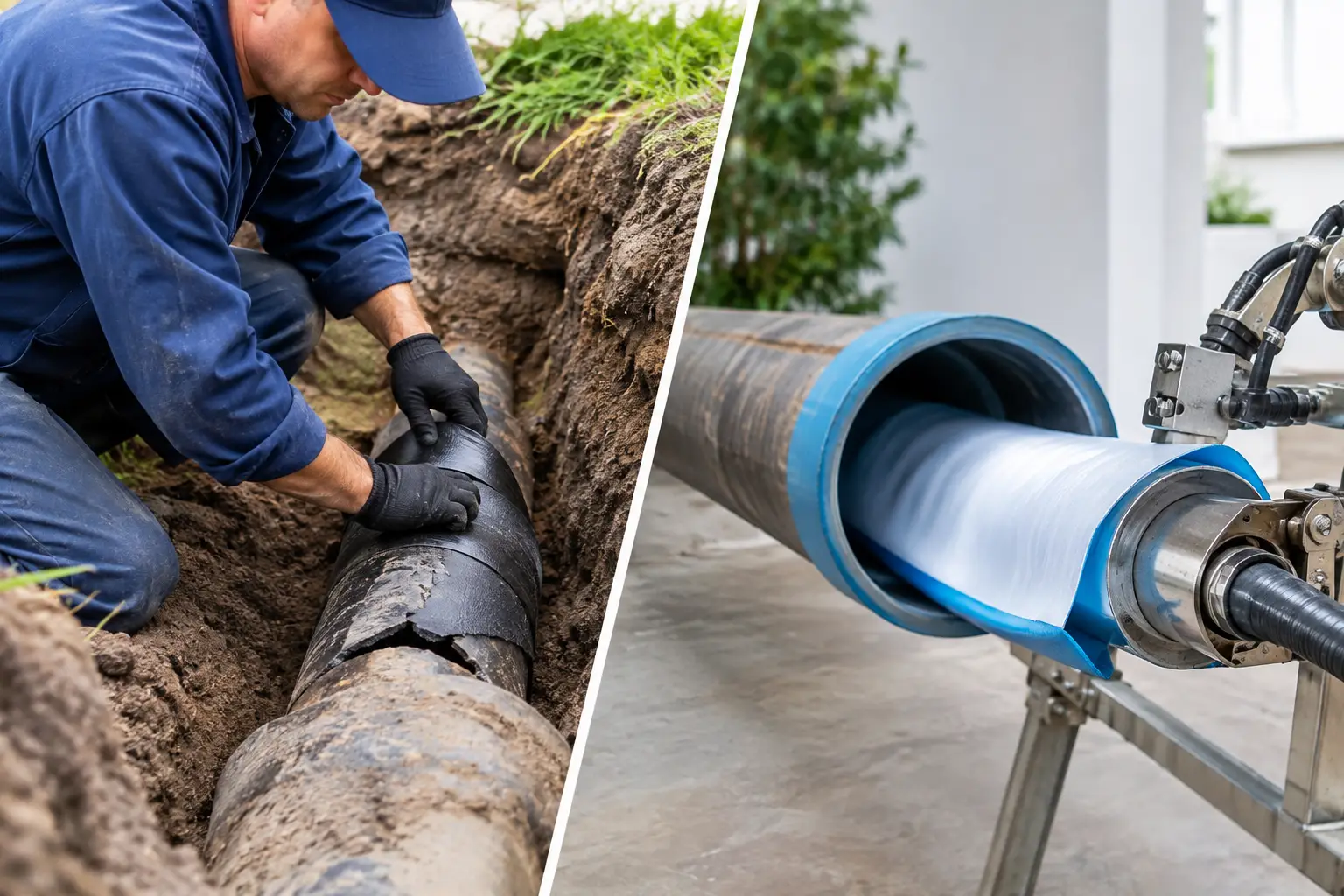
A sewer problem rarely announces itself at a convenient time. Slow drains may turn into backups, wet spots can appear in the yard, and sewer odors can make a home feel anything but comfortable. When a camera inspection reveals a damaged sewer line, homeowners often face the same question: sewer repair versus pipe lining – which solution is right for the property?
The honest answer depends on what the inspection shows. Pipe lining can restore many damaged pipes without digging up a yard or driveway. Conventional sewer repair is still the better, safer choice when a line has collapsed, shifted, or has damage that lining cannot correct. A qualified diagnosis should come before either recommendation.
Start With a Sewer Camera Inspection
No one should have to approve major sewer work based on a guess. A professional sewer video inspection allows a technician to see inside the line, identify the location of the problem, and determine whether the pipe is structurally sound enough to be lined.
The camera may reveal tree-root intrusion, cracks, separated joints, corrosion, a sagging section of pipe, or a blockage caused by grease and debris. These issues can create similar symptoms inside the home, but they do not call for the same repair.
For homeowners in older parts of Litchfield County, pipe material matters, too. Clay, cast iron, Orangeburg, and older galvanized components all age differently. The line’s condition, depth, route, and connection points influence both the repair method and the final cost. Seeing the problem first helps prevent pricing surprises and avoids repairing only part of a larger issue.
What Traditional Sewer Repair Involves
Traditional sewer repair means excavating the area above the failed portion of the pipe, removing damaged material, and installing new pipe. If damage extends through much of the sewer line, full replacement may be the most dependable long-term option.
Excavation has an obvious drawback: it can disturb landscaping, patios, walkways, driveways, or other areas above the line. Restoration may add time and cost after the plumbing work is complete. Still, direct access gives the technician the ability to correct problems that exist outside the pipe itself.
When Sewer Repair Is the Better Choice
Conventional repair is generally the right recommendation when the sewer line has collapsed, has a severe belly or low spot, is improperly sloped, or has significant sections missing. These conditions affect how wastewater flows. A liner can create a new interior surface, but it cannot lift a sagging pipe, restore proper pitch, or rebuild a pipe that no longer has enough structure to support it.
Repair is also often preferable when a section needs rerouting, a connection is badly damaged, or an underground line has been crushed by shifting soil, roots, or vehicle traffic. In those situations, digging is not a failure of technology. It is the method that allows the underlying cause to be corrected properly.
A new sewer section can provide decades of service when it is installed correctly with the appropriate materials, fittings, and slope. For a homeowner planning a major renovation or dealing with repeated sewer failures, replacement may offer the cleanest reset.
How Pipe Lining Works
Pipe lining, sometimes called cured-in-place pipe lining, is a trenchless repair method. After the sewer line is cleaned and prepared, a flexible liner saturated with resin is inserted into the existing pipe. The liner is expanded against the interior walls and cured, forming a durable new pipe inside the old one.
The process typically uses an existing access point, such as a cleanout, rather than an open trench across the yard. That can make a major difference when the sewer runs beneath mature landscaping, a finished driveway, a patio, or another hard-to-replace surface.
The new liner seals many cracks, gaps, and joints that allow roots or groundwater into the line. It also creates a smooth interior that can improve flow through pipes affected by rough corrosion or minor deterioration.
When Pipe Lining Makes Sense
Pipe lining is often a strong option when the existing sewer pipe is still largely intact but has cracks, root intrusion, separated joints, or corrosion. It can be especially valuable where excavation would create substantial disruption.
A liner may also be appropriate for localized damage or for a pipe beneath a building addition, garage, or established landscape. Instead of removing and rebuilding the surfaces above the sewer, the repair can often be completed from access points at either end of the affected run.
That said, pipe lining requires careful preparation. The line must be thoroughly cleaned, and heavy root growth, scale buildup, or obstructions may need to be removed before lining. The pipe also needs enough remaining shape and strength for the liner to be installed correctly.
Sewer Repair Versus Pipe Lining: Key Trade-Offs
The choice between sewer repair versus pipe lining is not simply a choice between old-fashioned digging and newer technology. Each method solves a different kind of problem.
Pipe lining usually causes less disruption above ground. It can protect landscaping and hardscaping, shorten the restoration work, and avoid opening a trench through a portion of the property. Depending on the situation, those avoided restoration costs can make lining very competitive with excavation.
Traditional repair provides direct access to the failed pipe and surrounding soil. It is the better method for correcting breaks, bellies, collapses, poor slope, and other structural issues. While the excavation itself can be more disruptive, it may prevent repeated backups caused by a problem a liner cannot fix.
Cost also depends on more than the repair method. A short, accessible pipe section may be less expensive to excavate than a complicated trenchless project. On the other hand, a sewer line running beneath a driveway or landscaped backyard can make pipe lining the more practical investment. A straightforward estimate should explain the work being recommended, what is included, and why that option fits the condition of the line.
Signs You Should Schedule a Sewer Inspection
A single slow drain may be a fixture-level clog. Multiple slow drains, however, can point to a sewer-line restriction. Other warning signs include sewage backing up into a tub or shower, gurgling toilets, recurring drain clogs, foul odors near drains or outdoors, and unusually green or wet patches in the yard.
Do not wait for a complete backup if these symptoms are recurring. Continued use of a damaged sewer can allow wastewater into the home, create unsanitary conditions, and increase the scope of the repair. If sewage is backing up now, limit water use throughout the house and call for professional help promptly.
Choose the Repair That Protects the Home Long Term
The best sewer solution is the one that addresses the actual condition of the pipe, not the one that sounds easiest at first. A camera inspection, a clear explanation of the findings, and upfront pricing give homeowners the information they need to decide with confidence.
Escape Plumbing & Heating helps homeowners evaluate sewer problems with modern diagnostic equipment and practical recommendations. Whether the answer is targeted sewer repair, pipe lining, or replacement, the goal is the same: restore dependable drainage with work that makes sense for your home and property.
A damaged sewer line is stressful, but the decision does not have to be. Get the pipe inspected, ask what the repair will correct, and choose the solution built to keep your household moving without another surprise backup.