
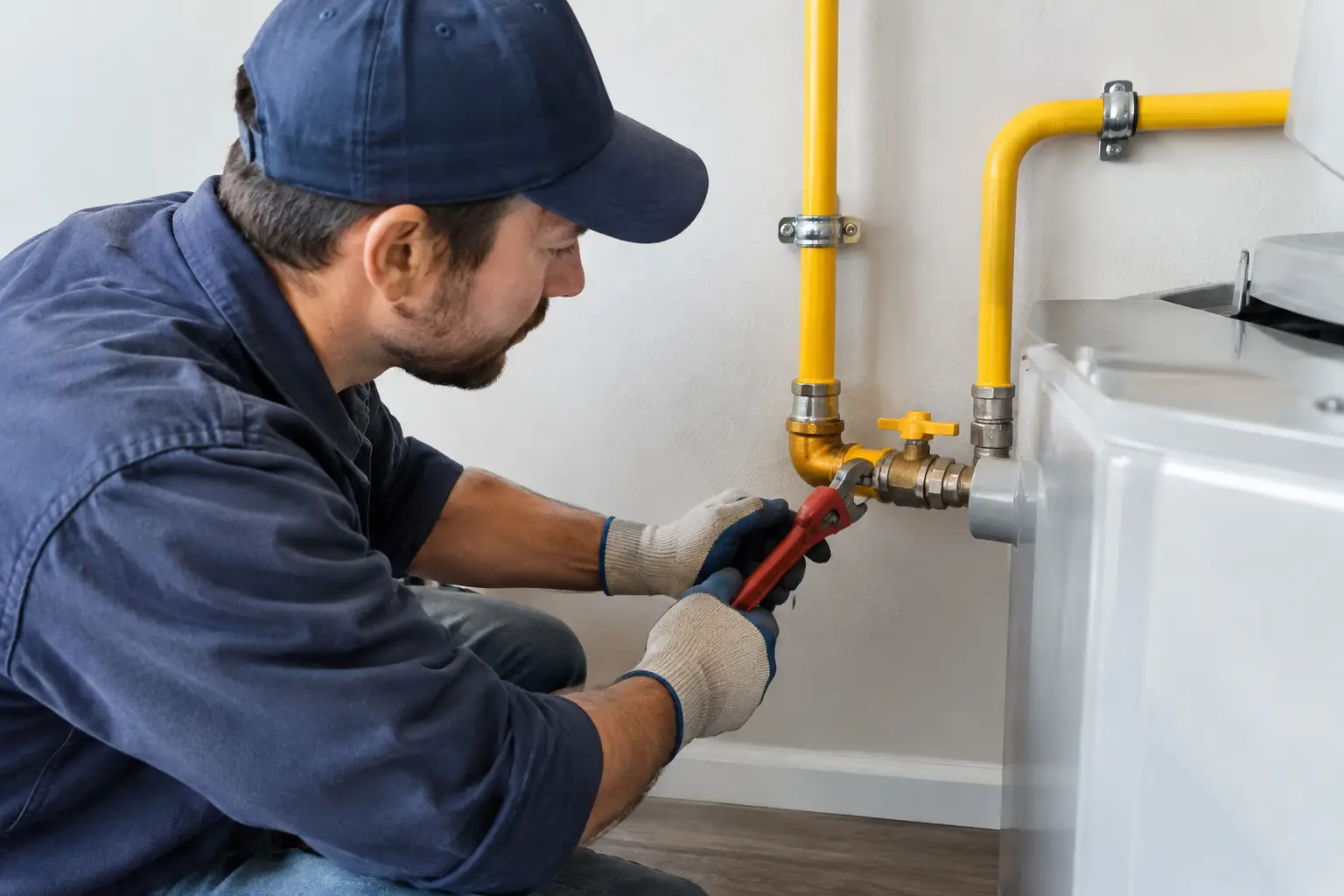
A new gas range, fireplace, dryer, generator, or outdoor grill can make daily life more comfortable, but the appliance is only half the project. Safe gas line installation requires the right pipe size, route, connections, testing, permits, and inspection. A shortcut behind a wall or near an appliance is not a minor mistake. It can create a serious safety concern and leave you with an installation that cannot pass inspection.
For homeowners in Northwest Connecticut, the best approach is to start with a professional evaluation before purchasing equipment or opening walls. A trained technician can confirm whether your existing gas supply can support the new demand, identify the most practical route, and provide straightforward pricing before work begins.
Why Gas Line Installation Is Not a DIY Project
Natural gas and propane systems are designed to deliver fuel safely at a controlled pressure. Every part of the system matters, from the meter or propane tank connection to the shutoff valve behind the appliance. Pipe material, joint preparation, appliance clearances, support, pressure testing, and local code requirements all need to be handled correctly.
Unlike a dripping faucet, a gas leak may not be obvious. You may notice a sulfur-like odor, hear a faint hissing sound, or see a dead patch of vegetation near an outdoor line. In some cases, there may be no clear warning at all. That is why a gas line should only be installed, altered, or repaired by a qualified professional who understands fuel-gas codes and testing procedures.
A proper installation also protects the value of your home. When a project is permitted and inspected where required, you have documentation that the work was completed to applicable standards. This can matter when selling your home, filing an insurance claim, or troubleshooting a future appliance issue.
Start With the Appliance and Fuel Supply
The first question is not simply, “Where should the pipe go?” It is, “What does this appliance require, and can the existing system supply it?” Gas appliances are rated by BTUs, which measure how much heat they use. A high-output range, pool heater, tankless water heater, standby generator, or large fireplace can place significant demand on the gas system.
Your technician should review the appliance’s BTU rating along with the capacity of the existing meter or propane regulator. They will also consider every other gas appliance in the home. A line that appears adequate for a furnace and water heater may be undersized once you add a generator or a tankless water heater.
Natural gas and propane are not interchangeable. They use different pressures and require equipment configured for the correct fuel. If your home uses propane, the tank, regulator, and interior piping all need to be considered as part of the project. Never assume an appliance can be connected without confirming that it is approved and properly set up for your fuel type.
Pipe sizing is about more than distance
A longer run generally needs a larger pipe to deliver enough fuel at the appliance. But distance is only one part of the calculation. The total BTU load, number of fittings, route, gas pressure, and pipe material also affect sizing.
An undersized line may allow an appliance to light but still cause performance problems when multiple appliances run at once. You might see weak burner flames, a furnace that locks out, or a water heater that does not operate as intended. Correct sizing from the beginning avoids frustrating callbacks and protects the equipment you are investing in.
Planning the Route Through Your Home
A gas line may run through a basement, crawl space, utility room, attic, garage, exterior wall, or underground trench. The best route balances safety, accessibility, appearance, and cost. An exposed basement route may be more direct and easier to service than a concealed path that requires opening finished walls.
Where a line passes through walls or floors, it needs proper protection and support. Outdoor and underground lines require materials and installation methods that can withstand moisture, corrosion, and physical damage. A professional will also keep the line clear of heat sources, electrical equipment, and areas where it could be accidentally struck.
Before any digging begins, underground utilities must be located. This is especially important for gas lines serving generators, pool equipment, detached garages, outdoor kitchens, and fire features. A trench may look straightforward from the surface, but buried electric, communications, water, sewer, and existing gas lines can be present.
What a Professional Gas Installation Should Include
Homeowners should expect more than a pipe connection. A careful gas line project begins with a site assessment and appliance review. The technician should determine the fuel type, calculate the anticipated load, inspect the current piping, and discuss the installation route with you.
The work itself may include new approved gas piping, a dedicated shutoff valve, proper appliance connection, supports, wall or floor penetrations, and exterior protection where needed. Depending on the project, it may also involve coordinating permits and inspections. Once the line is complete, it must be pressure-tested and checked for leaks before it is placed into service.
For appliance replacements, the existing line should still be evaluated. Replacing an older standard water heater with a high-demand tankless unit, for example, can change the gas requirements substantially. Reusing an old line without checking its capacity may create operating problems that are incorrectly blamed on the new equipment.
What Affects Gas Line Installation Cost?
There is no honest one-price answer because every home and appliance setup is different. The most accurate estimate follows an on-site assessment. In general, cost depends on the length and accessibility of the run, the pipe size and material needed, whether walls or concrete must be opened, and whether trenching is required.
The appliance type matters, too. Adding a short branch line for a gas dryer may be relatively simple when the main line is nearby. Supplying a standby generator, pool heater, or large outdoor kitchen can require a larger line, upgraded meter capacity, longer excavation, or changes to the propane system.
Permit and inspection requirements can also affect timing and cost. While permitting may feel like an extra step, it is a practical safeguard. It helps confirm that the work meets local requirements and that the system is tested before your family relies on it.
When to Call for Help Right Away
If you suspect a gas leak, do not try to find or repair it yourself. Leave the area, avoid switches, flames, vehicles, and anything that could create a spark, then contact your gas utility or emergency services from a safe location. Once the immediate danger is addressed, a qualified plumbing and heating professional can assess the piping and make needed repairs.
You should also schedule an evaluation if you are planning any of the following:
- A new gas range, dryer, fireplace, or patio heater
- A tankless water heater or high-efficiency boiler upgrade
- A whole-home standby generator
- A pool heater, outdoor kitchen, or detached-building appliance
Planning ahead is especially helpful before a remodel. Running a properly sized gas line while walls are open can be less disruptive than returning after cabinets, tile, or finished drywall are in place.
Choose Clear Answers Before Work Begins
A good contractor should explain what your home needs in plain language. You should know which appliance the line will serve, whether your existing supply has enough capacity, where the pipe will run, whether permits are needed, and what testing will be performed. You should also receive clear pricing before the job moves forward.
Escape Plumbing & Heating brings more than 30 years of local experience to residential gas and plumbing work throughout Northwest Connecticut. Our technicians assess the full system, not just the connection point, so your new appliance has the safe, dependable fuel supply it needs.
Adding gas service should make your home more useful and comfortable, not introduce uncertainty behind the walls. Start with a professional assessment, ask direct questions, and make sure the installation is sized, tested, and documented for the years ahead.