
Are you struggling with garbage disposal maintenance and proper usage? This guide offers expert insights on caring for your disposal, covering functionality basics, effective maintenance tips, and safe usage practices. You’ll learn how to troubleshoot common issues, adopt eco-friendly habits, and explore upgrade options. By following these expert recommendations, you’ll extend your disposal’s lifespan, prevent costly repairs, and ensure efficient operation in your kitchen.
Understand the Basics of Garbage Disposal Functionality
Understanding garbage disposal functionality is crucial for effective use and maintenance. This section explores how disposal units operate, identifies key components, and examines various types and models. Proper knowledge can prevent plumbing problems, save money on repairs, and ensure efficient disposal installation. By grasping these fundamentals, homeowners can optimize their unit’s performance and lifespan.
Learn How a Garbage Disposal Unit Operates Effectively
Garbage disposal units operate by grinding food waste into small particles that can safely pass through the plumbing system. When activated, the motor spins an impeller plate, which forces food against a stationary grind ring. This reduces waste to a slurry that flows into the sink drain. Homeowners can optimize performance by running cold water during operation and avoiding overloading. Regular maintenance by plumbers near me can prevent issues and extend the unit’s lifespan.
Identify the Main Components of Your Disposal System
Garbage disposal systems consist of several key components: the motor, impeller plate, grinding chamber, and drain connection. Commercial-grade units may include more powerful motors and expanded chambers. Understanding each component helps with budgeting, troubleshooting, and maintenance.
| Component | Function | Maintenance Tip |
|---|---|---|
| Motor | Powers the disposal | Check for unusual noises |
| Impeller Plate | Grinds food waste | Inspect for wear regularly |
| Grinding Chamber | Contains waste during grinding | Clean periodically |
| Drain Connection | Connects to plumbing | Check for leaks |
Explore Different Types and Models of Disposal Units
Garbage disposals vary in type and design. Continuous-feed models allow waste addition during operation; batch-feed models require a cover for activation, improving safety. When choosing a unit, consider motor power, grinding capacity, noise level, and household size.
- Continuous-feed disposals: Best for large households
- Batch-feed models: Safer for homes with children
- Compact units: Ideal for small kitchens
- Heavy-duty disposals: For high-volume or commercial use
- Septic-safe models: Designed for homes with septic systems
Discover Effective Maintenance Tips for Your Disposal

Proper maintenance is essential for ensuring optimal performance and extending the lifespan of a garbage disposal. This includes regular cleaning, safe blade sharpening practices, and identifying signs that maintenance is needed.
Schedule Regular Cleaning Routines to Prevent Clogs
Weekly cleaning keeps your disposal running smoothly. Running cold water with ice cubes helps remove debris and sharpen the blades. Baking soda and vinegar can eliminate odors and break down buildup.
Use Proper Techniques for Sharpening Blades Safely
Sharpen blades by grinding ice cubes mixed with rock salt. Avoid manual sharpening, which can damage the unit. Monthly sharpening improves performance and reduces the risk of clogs.
Recognize Signs That Indicate Maintenance Is Needed
Watch for unusual noises, persistent odors, slow draining, or leaks. These signs indicate the need for repair by a local Litchfield County plumber. Frequent jams, failure to turn on, or leaking connections also require professional attention.
Explore Troubleshooting Common Garbage Disposal Issues
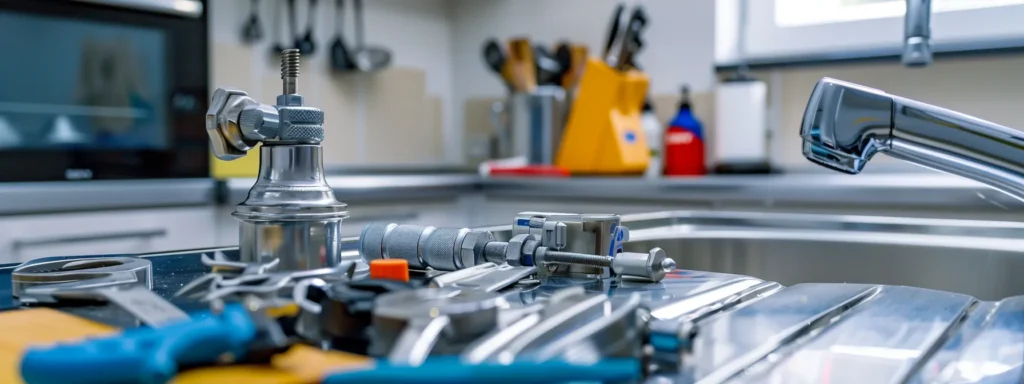
Knowing how to troubleshoot garbage disposal issues helps avoid service calls. This includes clearing jams, resolving noises or odors, and knowing when professional help is necessary.
Identify Causes of Jams and How to Fix Them
Jams often occur when foreign objects or tough food materials enter the unit. To fix a jam, disconnect power, manually rotate the flywheel with a wrench, and remove obstructions. For difficult jams, call a residential plumber.
| Jam Cause | Fix Method | Prevention |
|---|---|---|
| Foreign objects | Manual removal | Use a sink strainer |
| Fibrous materials | Rotate flywheel | Avoid tough fibers |
| Large food pieces | Cut smaller, regrind | Cut food before disposal |
| Grease buildup | Flush with hot water | Avoid grease in drains |
Resolve Strange Noises or Odors Effectively
Noises often indicate foreign objects. Odors may come from trapped food or a backup further down the line. Running ice, using citrus peels, or flushing with baking soda and vinegar can help. Severe odors may require inspection by a residential plumber.
Know When to Seek Professional Repair Services
Seek help when the disposal won’t turn on, jams frequently, leaks, or makes unusual noises. Residential plumbers near me can resolve electrical issues, repeated clogs, or water supply problems. Timely repairs prevent extensive damage.
Conclusion
Proper understanding and maintenance of garbage disposals are crucial for efficient waste management and long-lasting plumbing systems. Regular cleaning, safe usage practices, and timely repairs prevent costly damage. Eco-friendly habits and modern upgrades can further improve performance and sustainability.