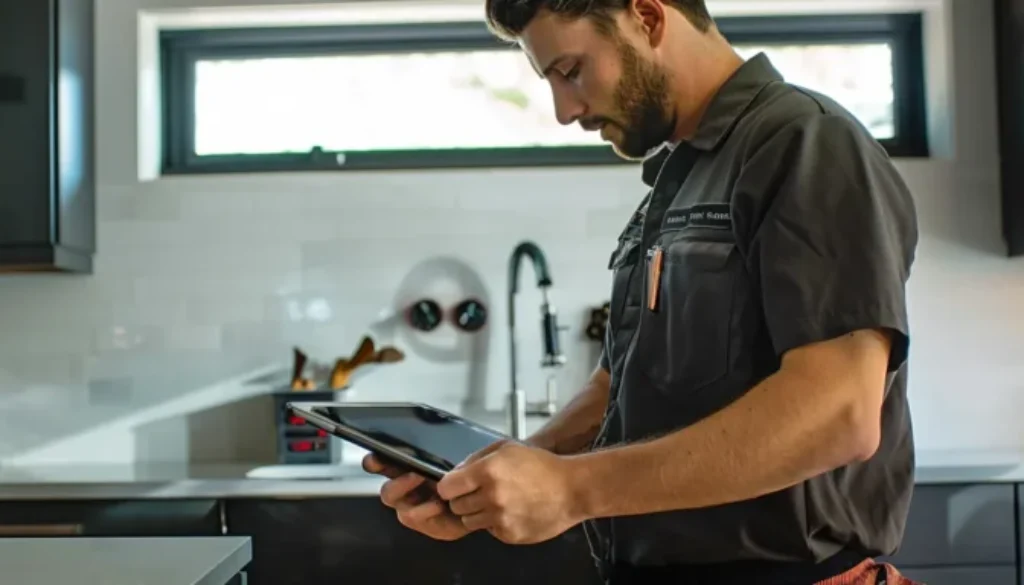
Regular plumbing inspections can prevent costly water damage and repairs. This article covers the importance of routine checks, signs of plumbing issues, and what to expect during an inspection. Readers will learn how to prepare their homes for inspections, understand associated costs, and find qualified professionals. By following these tips, homeowners can protect their properties and avoid unexpected plumbing emergencies.
Understand the Importance of Routine Plumbing Inspections
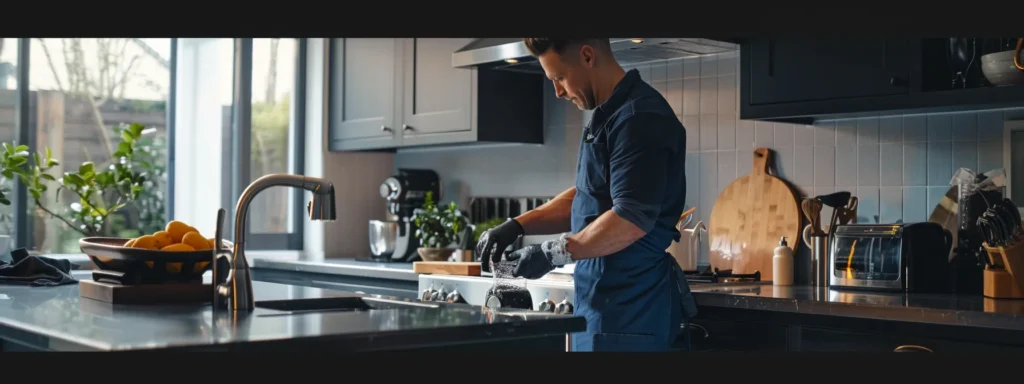
Regular plumbing inspections are crucial for maintaining a healthy home. They help identify common issues, from minor leaks to potential gas problems, before they escalate. Proactive inspections offer numerous benefits, including improved water pressure and reduced risk of costly repairs. By understanding the importance of routine checks, homeowners can protect their property and avoid unexpected maintenance expenses.
Identify Common Plumbing Issues at Home
Homeowners should be aware of common plumbing issues that can arise, especially during kitchen renovations or when trees interfere with underground pipes. Leaks, often hidden behind walls or under fixtures, can lead to significant water damage if left undetected. Regular inspections help identify these problems early, preventing costly repairs and ensuring the longevity of the home’s plumbing system:
| Common Plumbing Issue | Potential Cause | Prevention Method |
|---|---|---|
| Hidden leaks | Worn pipes, faulty connections | Regular inspections, moisture detection |
| Tree root intrusion | Aging underground pipes | Root barriers, pipe lining |
| Kitchen sink clogs | Grease buildup, food particles | Proper disposal habits, drain screens |
Recognize the Benefits of Proactive Inspections
Proactive plumbing inspections offer significant benefits for homeowners, including early detection of potential issues with water systems, pumps, and heating equipment. Regular checks can identify problems before they lead to costly breakdowns, ensuring efficient operation and extending the lifespan of key components. Advanced diagnostic tools help pinpoint hidden leaks or inefficiencies, saving homeowners money and preventing water damage.
Learn How Inspections Prevent Costly Repairs
Regular plumbing inspections conducted by skilled residential plumbers prevent costly repairs by identifying issues early. By addressing minor problems promptly, homeowners avoid major expenses and ensure the longevity and efficiency of their plumbing infrastructure.
Learn Key Signs That Indicate Plumbing Problems
Recognizing early signs of plumbing issues can prevent costly repairs and maintain indoor air quality. Homeowners should watch for leaks, changes in water pressure, drainage problems, and unusual noises from pipes or fixtures. Understanding these indicators ensures timely repairs by licensed professionals.
Watch for Leaks in Walls and Ceilings
Signs such as water stains, discoloration, or bubbling paint may indicate hidden leaks. Prompt plumbing repair prevents extensive structural damage and protects systems in homes across Litchfield County.
Notice Changes in Water Pressure and Drainage
Sudden changes in water pressure or slow drainage can indicate deeper plumbing issues:
- Reduced water pressure in faucets or showers
- Slow draining sinks or tubs
- Gurgling sounds from drains
- Uneven pressure throughout the home
Observe Unusual Noises From Pipes or Fixtures
Sounds like banging, whistling, or gurgling often signal plumbing issues. Here’s what different noises may mean:
| Noise Type | Possible Cause | Recommended Action |
|---|---|---|
| Banging | Water hammer | Install air chambers |
| Whistling | High water pressure | Adjust pressure regulator |
| Gurgling | Drain blockage | Clear obstruction |
Prepare Your Home for a Plumbing Inspection

Preparing for a plumbing inspection saves homeowners time and money. Clear access, documentation, and a prepared list of concerns ensure an efficient evaluation of systems including water heaters and sump pumps.
Clear Access to Pipes and Fixtures
Remove obstacles around plumbing areas so inspectors can thoroughly evaluate the system: