A plumbing failure rarely waits for a convenient moment. Water spreading across a finished basement floor, a toilet that will not stop overflowing, or a sudden loss of water from a private well can put your home and routine at risk fast. An emergency plumber helps stop the immediate damage, identify the real cause, and get your home back to safe, dependable operation without unnecessary delays.
For homeowners in Northwest Connecticut, the right response depends on what is happening, where the water is going, and whether you can safely isolate the problem. A small drip under a sink may be able to wait for a scheduled repair. A burst pipe, sewage backup, or failed well pump usually cannot.
What Counts as a Plumbing Emergency?
A plumbing emergency is any issue that creates an immediate risk of water damage, sewage exposure, property damage, loss of essential water service, or a gas safety concern. The key question is not simply whether the problem is inconvenient. It is whether waiting could make the situation more expensive, unsafe, or difficult to repair.
A pipe spraying water behind a wall is an emergency because even a short delay can damage insulation, flooring, drywall, electrical components, and personal belongings. A sewer backup is urgent because wastewater carries contaminants and should not be handled as a standard drain clog. No hot water may be less urgent in some circumstances, but it can become a same-day concern when a water heater is leaking, making unusual noises, or showing signs of pressure problems.
Older homes throughout Litchfield County can have plumbing systems that need a more careful diagnosis. Aging supply lines, corroded pipes, well equipment, septic-connected drains, and sump pumps all have different failure points. The goal is not just to get water moving again. It is to determine why the failure happened and prevent the next one.
Call an Emergency Plumber for These Problems
Burst Pipes and Active Water Leaks
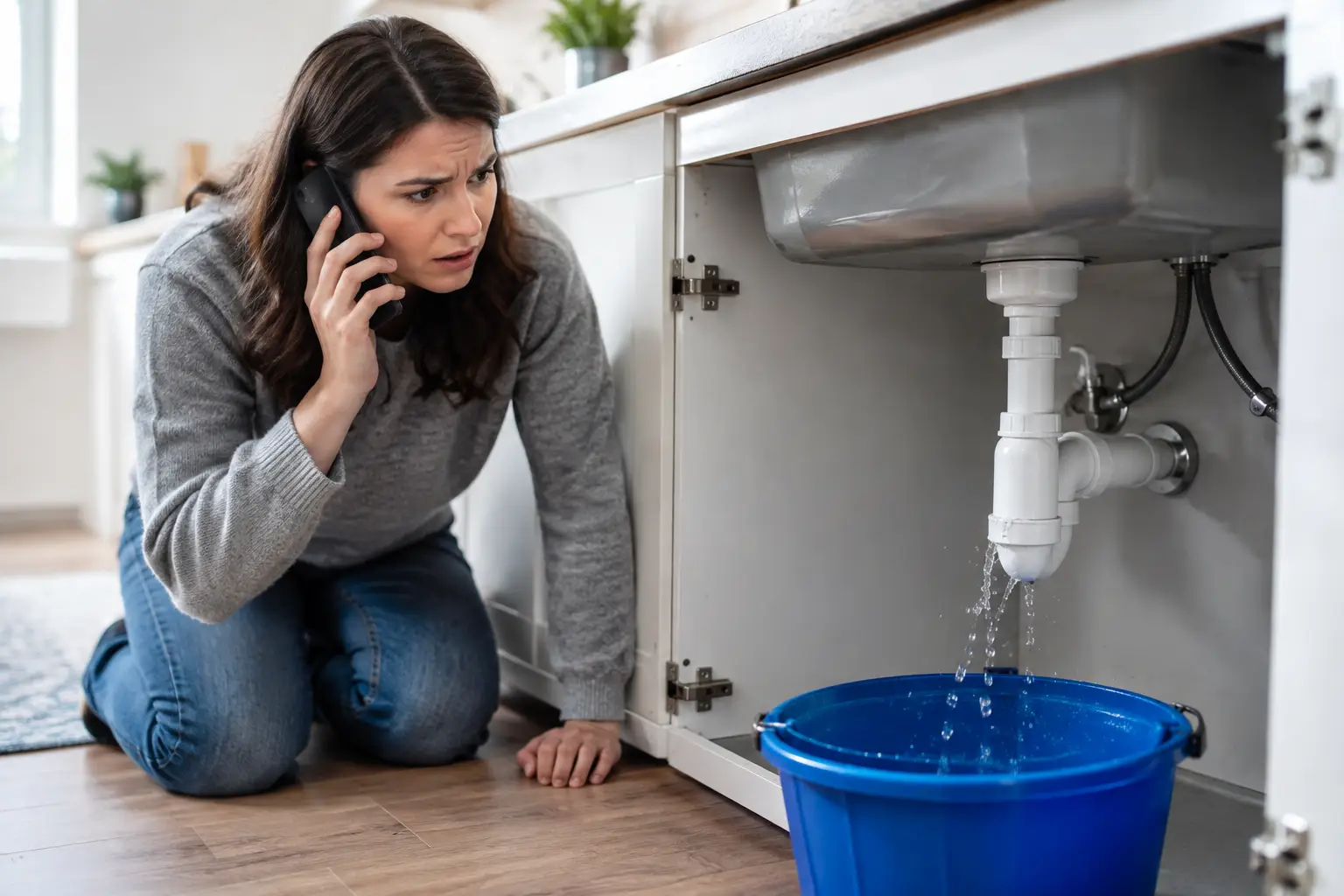
A burst pipe is one of the clearest reasons to call for emergency service. Freezing temperatures, corrosion, excessive water pressure, and worn fittings can all cause a pipe to split or separate. Water may pour out visibly, but hidden leaks can be just as serious when they soak a ceiling, wall, or cabinet from the inside.
If water is actively flowing, shut off the nearest fixture valve if you can reach it safely. If that does not stop the leak, turn off the main water supply to the home. Then move valuables away from the affected area and call for professional help. Do not open walls, use electrical equipment near standing water, or attempt a makeshift repair on damaged piping under pressure.
Sewer Backups and Multiple Drain Clogs
One slow drain can often be addressed during normal service hours. Several drains backing up at once, however, may point to a blockage in the main sewer line. Water or sewage coming up through a shower drain, floor drain, or toilet is a serious warning sign.
Avoid running water anywhere in the house, including laundry appliances and dishwashers. More water can worsen the backup and spread contamination. A trained technician can assess the line, clear the obstruction when appropriate, and use sewer video inspection to see whether roots, grease buildup, a broken pipe, or another issue is responsible.
No Water From a Well System
For homes with private wells, no water can mean a problem with the well pump, pressure tank, pressure switch, electrical connection, or water supply equipment. Before assuming the worst, check whether the circuit breaker has tripped. If the system still will not restore water, do not repeatedly reset breakers or force equipment to run.
A well system needs accurate diagnosis. Replacing a part without identifying the source of the failure can lead to more downtime and added cost. Emergency service can help restore a reliable water supply while protecting the equipment from further damage.
Sump Pump Failure During Heavy Rain
A sump pump is quiet until it is not. During heavy rain or rapid snowmelt, a failed pump can allow groundwater to rise in the basement. If the pump is not running, runs continuously without lowering the water level, makes grinding sounds, or has lost power, act quickly.
Check that the pump is plugged into a working outlet and that the discharge line is not visibly blocked or frozen. If water is rising or the pump cannot keep up, call for help. A backup pump or battery backup may be worth considering after the immediate issue is resolved, especially for homes with finished basements or a history of water intrusion.
Water Heater Leaks, Pressure Issues, or Gas Smells
A water heater leak can range from a loose connection to a failing tank. Water around the unit should be addressed promptly, particularly if it is spreading across the floor or coming from the tank itself. Rust-colored water, popping sounds, inconsistent hot water, and a temperature-pressure relief valve that discharges regularly also deserve professional attention.
If you smell gas near a gas water heater or gas line, leave the area, avoid switches and open flames, and contact the appropriate emergency utility resource before arranging repair. Do not try to locate or repair a suspected gas leak yourself.
What to Do Before Help Arrives
The first few minutes matter, but homeowners do not need to become emergency repair technicians. Focus on limiting damage and keeping people safe.
Know the location of your main water shutoff valve before an emergency happens. It is often near the water meter, where the main line enters the home, or near well equipment. Every adult in the household should know how to turn it off. If your home uses a well, learn where the electrical disconnect or breaker is located as well.
Once the water is off, contain what you can with towels, buckets, or a wet/dry vacuum only when it is safe to do so. Photograph visible damage for insurance documentation. Keep children and pets away from standing water, especially if sewage may be involved. Clear a path to the affected plumbing equipment so the technician can begin diagnosing the issue without delay.
It also helps to note what happened before the failure. Did the drains gurgle for days? Did water pressure change? Was there a recent freeze, storm, renovation, or utility interruption? These details can shorten the diagnostic process and help identify whether the repair needs to address a larger system problem.
When a Repair Can Wait Until Normal Hours
Not every plumbing concern needs an emergency visit. A faucet dripping into a sink, a single slow drain, or a toilet that runs occasionally may be inconvenient but manageable until a regular appointment. Place a container beneath a minor leak, avoid using the affected fixture, and schedule service before the problem grows.
The trade-off is simple: waiting makes sense only when the issue is contained and not causing active damage, contamination, or loss of essential service. If you are unsure, describe the symptoms when you call. A reliable plumbing team can help you determine whether same-day emergency service is the right choice.
Why Professional Diagnosis Matters After the Immediate Fix
Stopping the water is only the first step. A pipe that bursts due to freezing may need better insulation, a repair to a vulnerable section of line, or an evaluation of water pressure. A cleared drain may still need camera inspection if backups keep returning. A failed sump pump may reveal a float switch problem, undersized equipment, discharge line trouble, or the need for a backup system.
Professional emergency plumbing service should provide a clear explanation of what failed, what repair is needed now, and what options can reduce the chance of another disruption. Straightforward upfront pricing matters here. Homeowners should be able to make decisions with a clear understanding of the work, rather than facing surprises after the repair is complete.
Escape Plumbing & Heating brings more than 30 years of Northwest Connecticut experience to urgent home plumbing problems, with trained technicians focused on prompt arrival, precise diagnosis, and lasting repairs. Whether the issue is a burst pipe, a failing well pump, a sewer backup, or no hot water, the priority is restoring comfort and protecting your home.
The best time to find your water shutoff valve, test your sump pump, and schedule preventive maintenance is before an emergency. But when water is already where it should not be, act quickly, protect the space, and get experienced help on the way.