
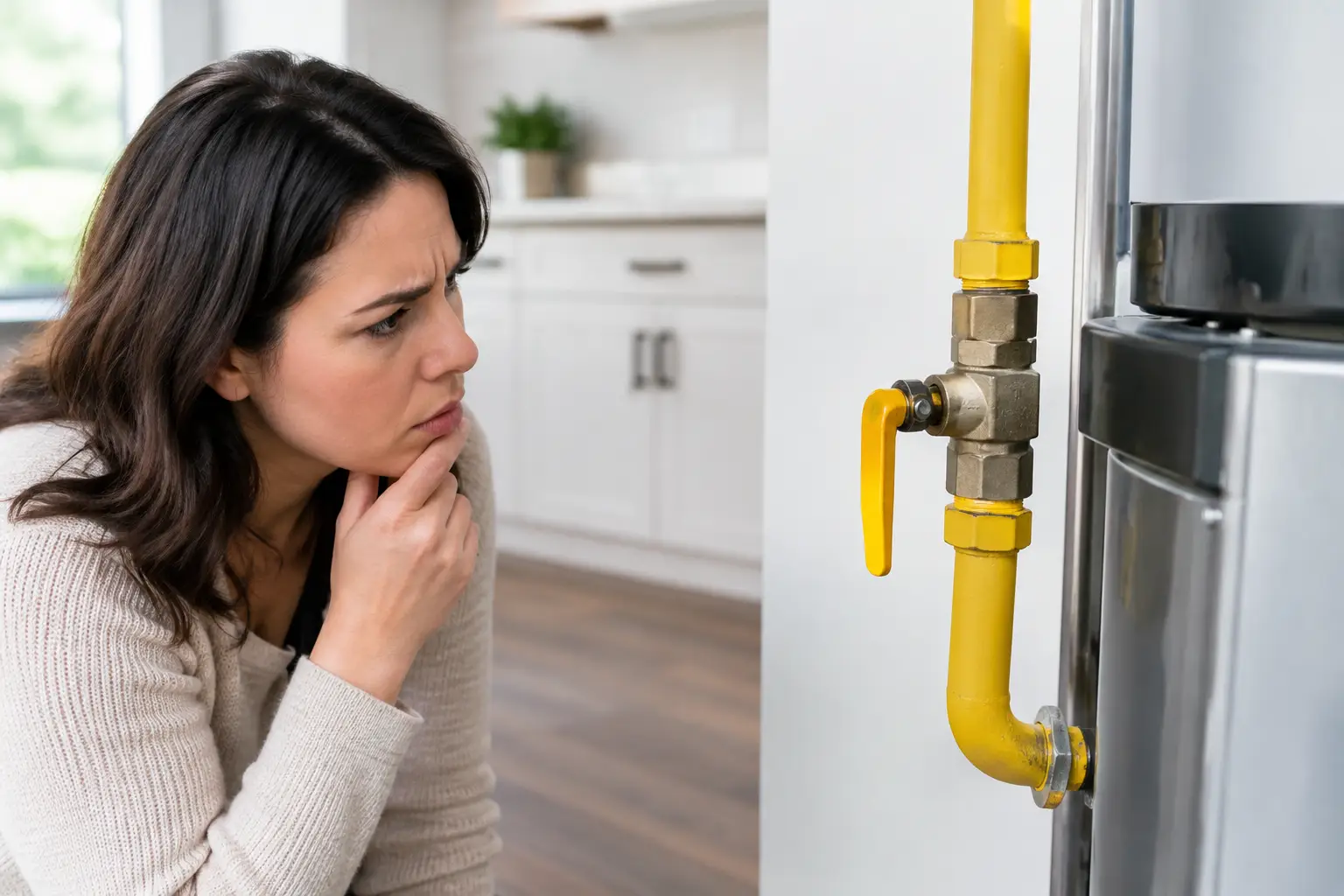
A faint rotten-egg odor near a stove, furnace, water heater, or outdoor meter is not a problem to watch for a few days. Gas lines are one part of your home that demand an immediate, professional response when something seems wrong. Natural gas is dependable and efficient when the system is installed and maintained correctly, but a leak or damaged connection can create a serious safety hazard.
For homeowners in Northwest Connecticut, the right next step is simple: get everyone outside, avoid switches, flames, vehicles, and electronics near the suspected leak, then call 911 or your gas utility from a safe location. Once the area has been cleared and the utility has addressed the emergency, a qualified plumbing professional can identify and repair the source.
When to Call for Gas Line Service
Not every gas line issue starts with a strong smell. Some problems show up as appliance performance changes, visible pipe damage, or a project that requires a new connection. Calling early helps protect your household and can prevent a small repair from becoming a larger interruption.
A gas line professional should evaluate the system if you notice an unusual sulfur or rotten-egg smell, a hissing sound near a pipe or appliance, dead or discolored vegetation above an underground line, or visible corrosion on accessible piping. You should also schedule service after a vehicle strike, storm damage, excavation near buried utilities, or a suspected appliance connection problem.
Gas service may need attention when an appliance repeatedly fails to light, produces an irregular flame, or stops working after other changes to the home. These symptoms do not always mean the gas line is at fault. The appliance itself, its venting, ignition components, or fuel supply may be the cause. A proper diagnosis matters because guessing at a gas issue is never a safe repair strategy.
If you suspect an active leak, do not try to find it with a flame, tighten fittings, or turn electrical devices on or off. Leave the area and follow emergency guidance first.
Gas Line Installation Is Not a DIY Project
Adding a gas range, clothes dryer, fireplace, pool heater, standby generator, or tankless water heater can make a home more comfortable and capable. It can also change how much fuel your existing system needs to deliver. That is why a new appliance connection is more than attaching a flexible connector.
A professional installation begins by considering the appliance’s fuel demand, the capacity of the existing meter and piping, the distance from the supply, pipe sizing, local code requirements, shutoff access, and the appliance manufacturer’s specifications. An undersized line may cause weak performance or operating problems, especially when multiple gas appliances run at once. Oversimplifying the job can create safety concerns and unnecessary future expense.
The right material also depends on the application. Some piping is appropriate for exposed interior runs, while other approved materials and protective methods may be needed outdoors or underground. Connections must be made correctly, tested for leaks, and installed with required shutoffs and supports. Permits and inspections may apply depending on the scope and location of the work.
For a homeowner, the goal is not to learn every code detail. The goal is to have a system that supports the appliance reliably, protects the home, and is documented and installed correctly from the start.
Planning for a Generator or Tankless Water Heater
Generators and tankless water heaters are two upgrades that often reveal limitations in an older gas piping system. A standby generator needs enough fuel capacity to operate when you need it most, potentially while other household appliances are also running. A tankless water heater can offer efficient, on-demand hot water, but its high input demand may require a larger or dedicated gas line.
That does not mean every home needs a complete repipe. In some cases, a targeted new run or a properly sized upgrade is enough. An on-site assessment gives you a clear answer before you commit to equipment or installation costs.
Common Gas Line Repairs in Older Homes
Many homes throughout Litchfield County have systems that have been expanded over decades. A kitchen range may have been added after the home was built. A newer furnace may have replaced an oil system. A previous owner may have installed a fireplace insert, dryer, or outdoor grill connection. Each addition should be evaluated as part of the whole system, not treated as an isolated pipe section.
Common repairs include replacing corroded sections, correcting poorly supported pipe, repairing damaged fittings, adding an accessible shutoff valve, or replacing an unsafe appliance connector. Outdoor and underground lines may require special attention because weather, soil conditions, landscaping projects, and accidental digging can all affect their condition.
Age alone does not determine whether a gas line must be replaced. A well-installed older line may still be in good condition, while a newer line with poor workmanship or physical damage may need prompt repair. A trained technician can inspect accessible piping, perform appropriate testing, and explain what is urgent, what can be planned, and what may not need work at all.
What Professional Testing and Diagnosis Should Look Like
A dependable gas line service visit should not be based on assumptions. The technician should first listen to what you noticed, inspect the accessible system and appliance connections, and use suitable testing methods to pinpoint the concern. The exact process depends on whether there is a confirmed leak, a new installation, a service interruption, or an appliance performance issue.
For repairs and installations, testing verifies that the work holds pressure and that connections are secure before the system is returned to service. A professional should also review the work with you in plain language. You deserve to understand where the issue was found, what repair is recommended, and what the price will be before work begins.
At Escape Plumbing & Heating, straightforward upfront pricing and careful diagnosis help homeowners make decisions without added pressure. Whether the job is a small appliance connection or a larger gas piping project, the focus is on safe, precise work and restoring confidence in your home’s systems.
Protecting Gas Lines During Home Projects
Gas line problems are sometimes caused by work happening nearby rather than by normal wear. Before installing a fence, planting trees, building a deck, excavating for drainage, or making major landscape changes, identify underground utilities. Even shallow digging can damage buried lines.
Indoors, avoid using gas piping as a support for hanging items or attaching other systems. Keep the area around furnaces, water heaters, and other gas appliances clear enough for safe access and service. If you are remodeling a kitchen, basement, or utility room, tell your contractor about existing gas appliances and piping before walls or floors are opened.
It is also wise to know where your main gas shutoff is located, but homeowners should not operate it casually or attempt repairs after shutting it off. In an emergency, your gas utility or emergency responders can provide direction. For planned work, a licensed professional can coordinate a safe shutoff, repair, test, and restart process.
Choosing the Right Time to Schedule Service
Some gas line needs are emergencies, and others are best handled before a project begins. Schedule an evaluation before purchasing a gas appliance, converting equipment, finishing a basement, or starting outdoor construction near utility routes. Planning ahead gives you time to confirm capacity, obtain required permits, and avoid delays when installers arrive.
If you see corrosion, hear unusual sounds, notice appliance changes, or have concerns about an older addition to the system, do not wait for a complete failure. A timely inspection can provide reassurance or identify a repair while the situation is still controlled.
Your home should never leave you wondering whether a fuel connection is safe. When a gas concern appears, act cautiously, get the right professionals involved, and give your household the dependable comfort it deserves.