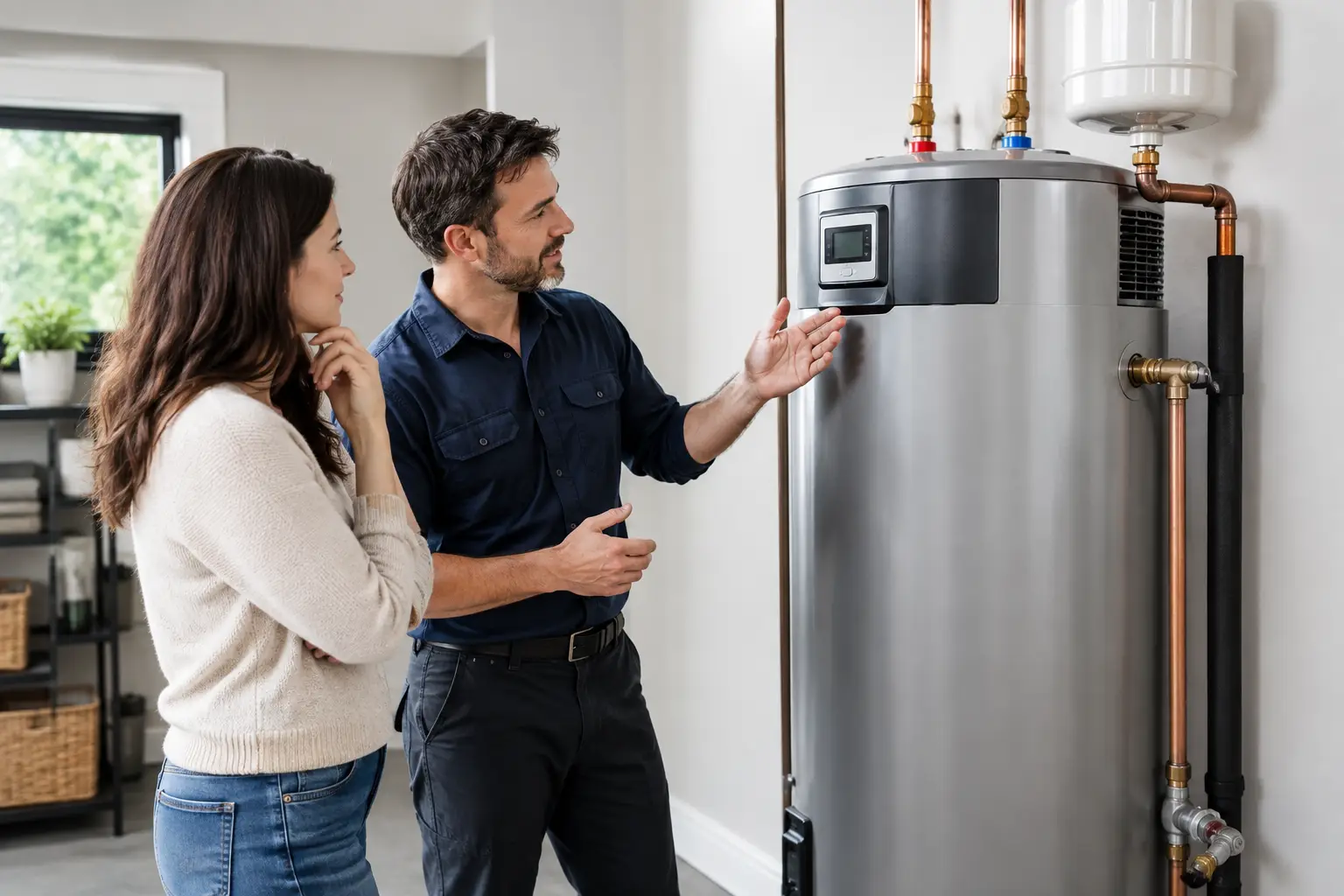
A water heater can seem perfectly fine right up until the morning no one gets a hot shower. For many homeowners, the best time to consider water heater upgrades is before a leak, burner failure, or cold-water surprise forces a rushed decision. A planned upgrade gives you time to choose the right system for your household, understand the installation needs, and protect your budget.
The right choice is not always the largest unit or the newest technology. It depends on how much hot water your home uses, the fuel available, the space around the equipment, your water quality, and how long you plan to stay in the home. In Northwest Connecticut, those details matter – especially in homes with private wells, hard water, older venting, or busy families sharing bathrooms.
When Water Heater Upgrades Make Sense
Age is a good starting point. A standard tank-style water heater often lasts about eight to 12 years, although maintenance, water conditions, and usage can shorten or extend that range. If your unit is approaching that age and has needed repairs, replacement planning is usually smarter than waiting for a failure.
There are other signs that deserve prompt attention. Rusty hot water, moisture around the base of the tank, rumbling or popping sounds, inconsistent temperatures, and a noticeable increase in energy bills can all point to trouble. A leaking tank cannot be reliably repaired. Once the tank itself is compromised, replacement is the practical solution.
An upgrade may also be worthwhile when your household has changed. Perhaps the kids are older and showers now overlap. Maybe you added a bathroom, finished a basement, installed a larger soaking tub, or started working from home. If hot water runs out regularly, the current heater may be undersized even if it is not technically broken.
Choose the Upgrade That Fits Your Household
The best water heater is the one that meets real demand without creating unnecessary installation costs or operating expenses. A qualified technician should look beyond the label on your current unit. Proper sizing starts with your home’s peak-hour hot-water use, not simply the number of bedrooms.
Modern tank water heaters
A high-efficiency tank water heater remains a dependable choice for many homes. It stores a ready supply of hot water, generally costs less to install than more specialized equipment, and can be a straightforward replacement when the existing connections and venting are in good condition.
Tank models come in gas, propane, electric, and hybrid options. Gas or propane tanks can recover hot water quickly, which helps households with frequent back-to-back showers. Electric tank models may be a good fit where gas service is unavailable, though operating costs depend on local utility rates and household demand.
The trade-off is storage. Once the available hot water is used, the unit needs time to reheat. Choosing a larger tank may help, but bigger is not automatically better. An oversized unit can increase purchase price and standby energy use without delivering a meaningful comfort benefit.
Tankless water heaters
Tankless water heaters heat water as it flows through the unit rather than storing it in a tank. They are popular with homeowners who want a compact system, a long equipment life, and a strong supply of hot water for typical daily use. Because there is no storage tank waiting to leak, they also remove one common source of water damage.
Still, tankless is not a one-size-fits-all upgrade. The equipment must be sized for the incoming water temperature and the number of fixtures likely to run at once. Connecticut groundwater is cold in winter, so a unit that appears adequate on paper may struggle if it was not selected for local conditions. Gas-fired tankless systems may also require a larger gas line, new venting, electrical work, or condensate drainage.
A properly designed tankless installation can be an excellent investment. A rushed swap with undersized gas piping or incorrect sizing can lead to fluctuating temperatures and disappointing performance. The installation details matter as much as the equipment.
Heat pump water heaters
Heat pump water heaters, also called hybrid water heaters, use electricity to move heat from the surrounding air into the water. They can use substantially less energy than a conventional electric tank, making them attractive for homeowners focused on lower operating costs.
They work best in a space with enough surrounding air, such as a basement, utility room, or garage. During operation, they cool and dehumidify the area around them, which can be helpful in a damp basement but less desirable in a small enclosed room. They also make more noise than a standard electric tank and may rely on electric resistance backup during periods of high demand.
For the right household, a heat pump model can deliver excellent efficiency. Before choosing one, confirm that the location, electrical capacity, drainage, and year-round temperature support its performance.
Do Not Overlook Water Quality and Installation Conditions
A new water heater is only part of the equation. Homes served by private wells may have hard water, iron, sediment, or other conditions that affect equipment performance. Mineral buildup can reduce efficiency, clog fixtures, and shorten the life of both tank and tankless systems.
If your home has water-quality concerns, it is worth discussing water testing and conditioning at the same time as the water heater project. A softener, filtration system, or sediment protection may help preserve the new equipment and improve water throughout the home. The right approach depends on the actual water conditions, not a guess based on appearance or taste.
Installation conditions also affect cost and timing. An older home may need venting changes, a chimney liner, updated shutoff valves, expansion tank adjustments, gas-line modifications, or electrical upgrades. These items are not add-ons for the sake of it. They are often needed to meet code, support safe operation, and help your new system perform as intended.
A clear, upfront assessment prevents surprises. Ask what is included in the quoted installation, what changes are recommended, and why each item is needed. You should know the expected scope before work begins.
How to Get More From a New Water Heater
Even efficient equipment needs care. Flushing a tank water heater can help manage sediment buildup, while tankless systems need periodic descaling in areas with mineral-heavy water. Checking the temperature setting, testing safety components, and inspecting connections can catch small concerns before they interrupt your hot water.
Most homes do well with a water-heater setting around 120 degrees Fahrenheit, though individual needs can vary. Higher temperatures increase scalding risk and energy use. If someone in the home has a medical reason for a higher setting, discuss safe temperature-control options with a plumbing professional.
Routine maintenance is also the time to notice changes in performance. Longer recovery times, new noises, fluctuating temperature, or discolored water are worth investigating early. Fast attention can sometimes extend equipment life or prevent a small issue from becoming an urgent replacement.
Plan the Upgrade Before You Need It
Replacing a failing water heater under pressure can leave little room to compare options. Planning ahead lets you weigh installation cost against long-term energy use, confirm the right size, and choose a system that supports your household instead of merely getting hot water back for the moment.
For homeowners in Morris and throughout Litchfield County, Escape Plumbing & Heating can assess your current setup, explain practical options in plain language, and provide straightforward pricing before installation begins. If your water heater is aging, noisy, leaking, or no longer keeping up, scheduling an evaluation now can help keep a cold shower from becoming an emergency.