Hard Water in Connecticut: The Hidden Culprit Behind Your Household Headaches

Picture this: You’re stepping out of what should have been a refreshing shower, but instead of feeling clean and invigorated, your skin feels like sandpaper and your hair resembles a tumbleweed from an old Western movie. Welcome to the not-so-glamorous world of hard water—Connecticut’s best-kept secret that nobody wants to talk about at dinner parties.

If you’re a homeowner in the Constitution State, chances are you’re dealing with this mineral-heavy menace without even realizing it. Hard water isn’t just an inconvenience; it’s like having an uninvited houseguest who slowly destroys everything they touch while driving up your utility bills. But here’s the thing—you don’t have to live with it.

What Exactly Is Hard Water? (And Why Should You Care?)

Hard water is essentially nature’s way of saying, “Hey, let me add some extra minerals to your H2O!” While that might sound healthy, it’s more like adding sand to your morning coffee. The culprits? Calcium and magnesium minerals that your water picks up as it travels through limestone, chalk, and gypsum deposits—which Connecticut has in abundance.

Think of hard water as the overachiever in chemistry class who just won’t quit. It’s constantly trying to leave its mark on everything it touches, from your dishes to your hair to your plumbing system. And trust me, its report card isn’t one you want to post on your refrigerator.

The Tell-Tale Signs: How Do I Tell If I Have Hard Water?

Your Soap Becomes a Stubborn Negotiator

Ever notice how your soap refuses to lather properly? It’s not being dramatic—it’s literally fighting a chemical battle with those pesky minerals. When soap meets hard water, it forms what chemists politely call “soap scum,” but what I like to call “bathroom graffiti that won’t wash off.”

White Spots That Multiply Like Rabbits

Those chalky white spots on your dishes, faucets, and shower doors aren’t just aesthetic issues—they’re mineral deposits throwing a permanent house party. These spots are basically calcium and magnesium saying, “We were here!” in the most annoying way possible.

Your Appliances Age in Dog Years

Hard water is like kryptonite for your appliances. Your dishwasher, washing machine, and water heater work overtime trying to function with mineral-clogged systems. It’s like asking someone to run a marathon while wearing concrete boots.

How Hard Water Affects Your Home Appliances
Appliance Hard Water Impact Typical Lifespan Reduction

Water Heater
Mineral buildup reduces efficiency and clogs heating elements, forcing the system to work harder and consume more energy 2-3 years shorter

Dishwasher
Clogs spray arms and valves while leaving white spots on dishes, reducing cleaning effectiveness 1-2 years shorter

Washing Machine
Damages internal components and reduces soap effectiveness, leading to dingy clothes and mechanical wear 1-2 years shorter
Note: Lifespan reductions are based on average Connecticut water hardness levels (7-12 GPG). Individual results may vary based on water quality, usage patterns, and maintenance schedules.

The Personal Touch: How Hard Water Affects Your Body

Is Hard Water Bad for Your Hair?

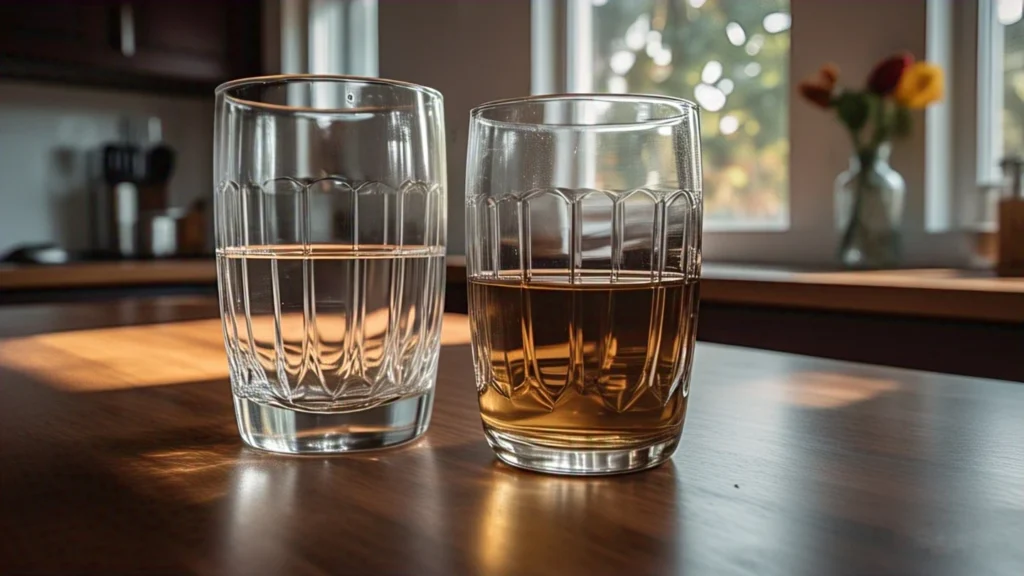
Let me paint you a picture: Hard water and your hair have about as much chemistry as oil and water (pun intended). The minerals in hard water create a film on your hair shaft, making it feel rough, look dull, and behave like it has commitment issues with any styling product you throw at it.
a_glass_on_a_kitchen_table_with_hard_water

Research from Healthline shows that hard water can make your hair more prone to breakage and can even fade color-treated hair faster than a sunset in winter. Your expensive shampoo? It’s basically fighting an uphill battle against mineral deposits.

How Do I Know If I Shower with Hard Water?

Your skin is often the first whistleblower when it comes to hard water exposure. If you’re stepping out of the shower feeling like you’ve been sandblasted, that’s your skin’s way of staging a protest. Hard water doesn’t rinse soap residue properly, leaving a film that can clog pores and cause irritation.

Is Hard Water Bad for Skin?

Think of hard water as that friend who means well but always leaves you feeling worse after spending time together. The mineral deposits can strip your skin’s natural oils while simultaneously leaving behind residue that clogs pores. It’s like getting the worst of both worlds—dry skin AND potential breakouts.

Testing the Waters: How to Check Water Hardness at Home

The DIY Detective Work

You don’t need a chemistry degree to play water detective. Here are some foolproof methods:

The Soap Test: Fill a clear plastic bottle one-third with water, add 10 drops of liquid dish soap, cap it, and shake vigorously. If you get lots of fluffy suds and the water below is clear, congratulations—you have soft water. If the suds are minimal and the water is cloudy, welcome to the hard water club.

The Visual Investigation: Take a close look around your home. White, chalky buildup around faucets, in kettles, or on shower doors is like hard water’s calling card.

Can I Test My Own Water for Hardness?

Absolutely! Home test kits are available at most hardware stores and online. These typically measure hardness in grains per gallon (gpg) or parts per million (ppm). Here’s the breakdown:

  • Soft: 0-3.5 gpg (0-60 ppm)
  • Moderately Hard: 3.5-7 gpg (60-120 ppm)
  • Hard: 7-10 gpg (120-180 ppm)
  • Very Hard: 10+ gpg (180+ ppm)

Connecticut’s water typically falls into the “moderately hard” to “hard” categories, depending on your specific location.

The Connecticut Connection: Why Our State Has a Hard Water Problem

Connecticut’s geological makeup is like a mineral buffet for groundwater. Our bedrock contains significant amounts of limestone and other calcium-rich formations. As water travels through these underground layers, it picks up minerals like a tourist collecting souvenirs—except these souvenirs follow you home and never leave.

The Connecticut Department of Public Health reports that many areas of the state, particularly in the central and eastern regions, have naturally occurring hard water due to the geological composition of the bedrock.

Solutions That Actually Work: Water Filtration Systems

The Whole Home Water Filter Revolution

Here’s where the story gets exciting. A whole home water filtration system is like hiring a bouncer for your plumbing—it keeps the troublemakers (minerals) out while letting the good stuff (clean water) flow freely.

These systems work at the point where water enters your home, treating every drop before it reaches your faucets, showers, and appliances. It’s comprehensive protection that doesn’t play favorites.

Types of Whole House Water Filter Systems

Ion Exchange Water Softeners: These are the heavy hitters of the hard water world. They swap those troublesome calcium and magnesium ions for sodium or potassium ions. Think of it as a diplomatic exchange program, but for minerals.

Salt-Free Water Conditioners: These systems don’t actually remove minerals but change their structure so they don’t stick to surfaces as readily. It’s like teaching the minerals better manners without kicking them out entirely.

Reverse Osmosis Systems: The premium option that removes virtually everything from your water, including minerals, chemicals, and other contaminants. It’s like having a molecular-level security system.

How to Fix Hard Water in a House

Installing a whole house water filtration system is typically the most effective long-term solution. While point-of-use filters (like those pitcher filters) can help with drinking water, they don’t address the broader household impacts of hard water.

Professional Installation Benefits:

  • Proper sizing for your home’s water usage
  • Integration with existing plumbing
  • Warranty protection
  • Regular maintenance scheduling

Conclusion: Your Next Steps to Softer Water

Hard water in Connecticut isn’t just a minor inconvenience—it’s a legitimate household challenge that affects everything from your morning shower to your monthly utility bills. But here’s the empowering truth: you don’t have to accept chalky dishes, rough hair, and mineral-stained fixtures as facts of life.

A quality whole home water filtration system transforms your daily water experience from frustrating to fantastic. It’s an investment that pays dividends in appliance longevity, reduced cleaning costs, and improved quality of life.

Ready to say goodbye to hard water headaches? Start by testing your water hardness, then consult with local water treatment professionals to find the perfect water filtration system for your Connecticut home. Your future self—and your hair—will thank you.

Take Action Today:

  • Test your water hardness using a home kit
  • Research whole house water filter systems that fit your budget and needs
  • Contact local professionals for installation quotes
  • Calculate potential savings from reduced appliance wear and cleaning product usage

Remember, every day you wait is another day of mineral buildup in your pipes, appliances, and on your hair. Connecticut’s hard water won’t soften on its own—but with the right filtration system, you can turn your home’s water from a daily frustration into a daily luxury.

Troubleshooting Common Water Heater Problems: When to DIY and When to Call a Professional

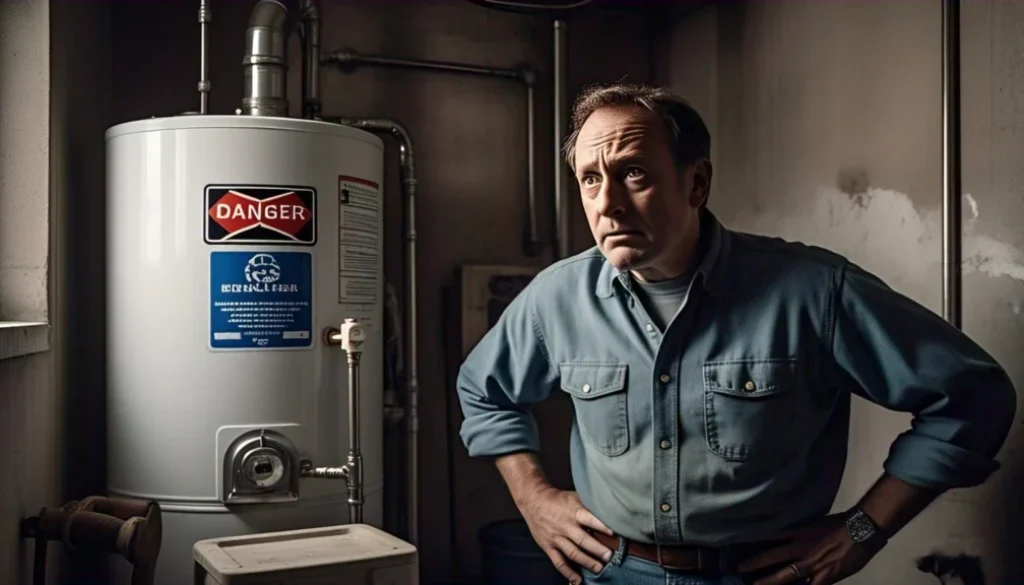
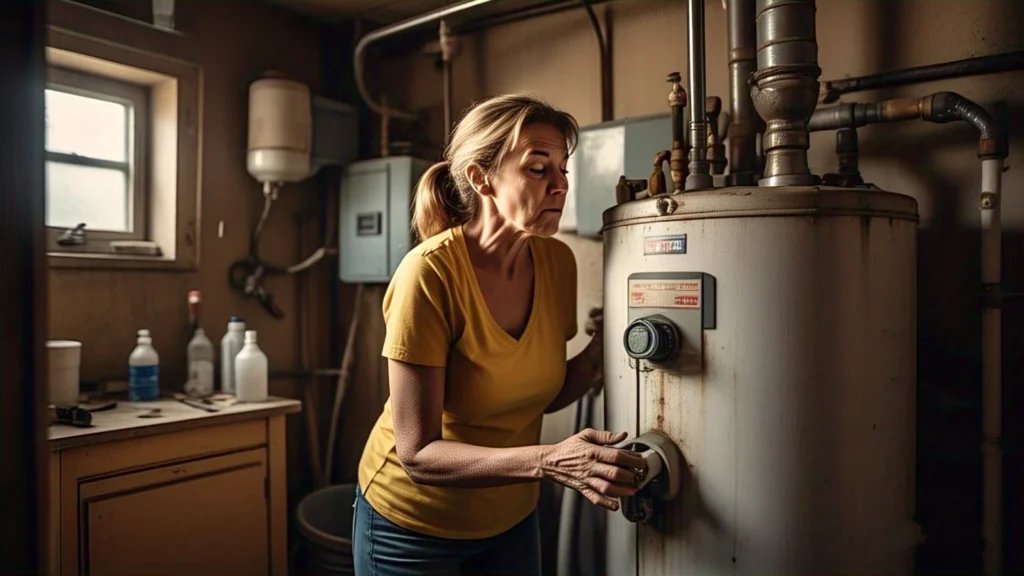
Is your shower suddenly ice cold? Or maybe your utility bills have mysteriously skyrocketed? Your water heater might be crying out for help. As someone who’s faced their fair share of unexpected cold showers, I’ve learned that understanding the basics of water heater repair can save you both money and discomfort.

There’s nothing quite like the shock of stepping into what you expect to be a steamy, relaxing shower only to be hit with an arctic blast. Trust me, I’ve been there—hopping around on one foot, shampoo in hair, wondering what went wrong with my trusty water heater.

Today, I’m sharing the wisdom I’ve gained the hard way so you can tackle common water heater problems like a pro—or know when it’s time to call one.

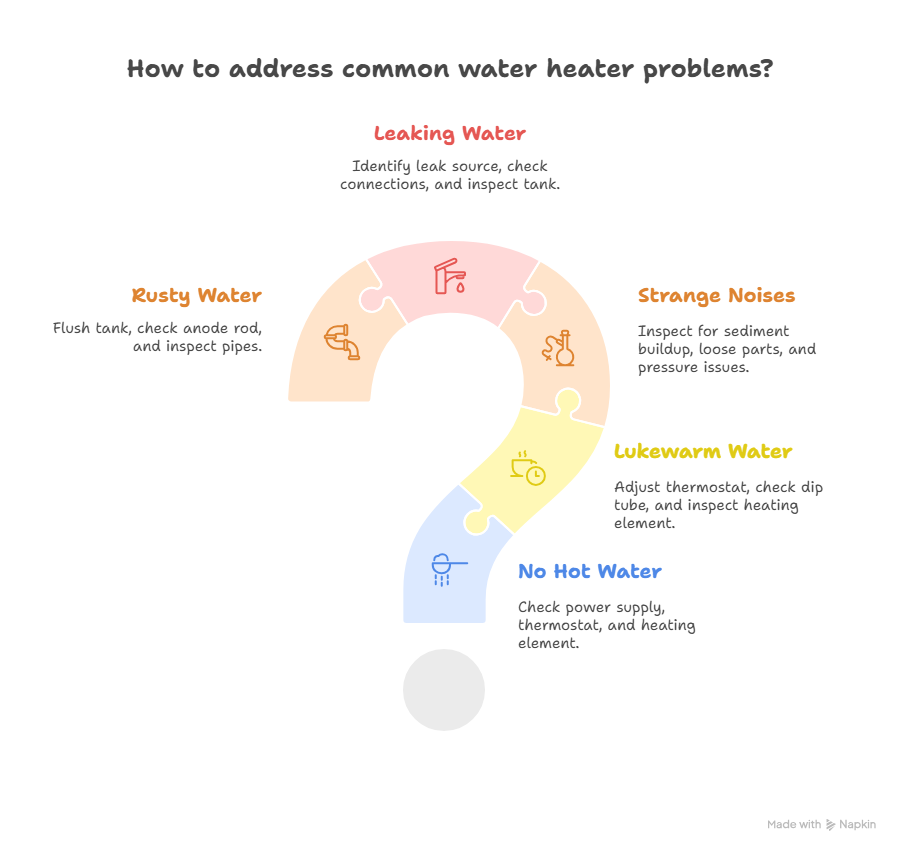
Common Water Heater Problems You Might Face

No Hot Water: The Cold, Hard Truth

You turn the hot water tap and… nothing but a stream of icy disappointment. This is perhaps the most obvious sign your water heater is struggling. Before you panic, check these simple fixes:

  1. Check the power source. For electric heaters, verify the circuit breaker hasn’t tripped. For gas models, ensure the pilot light is on.
  2. Examine the thermostat settings. Sometimes, it’s as simple as someone accidentally bumping the temperature dial.
  3. Look for a reset button. Many water heaters have one—usually red and located near the thermostat.

I once spent an entire weekend troubleshooting my water heater only to discover my curious toddler had turned the temperature dial all the way down. A 30-second fix after hours of frustration!

Lukewarm Water: When “Hot” Isn’t Hot Enough

Is your water warm but not hot? This typically indicates one of two issues:

  • Thermostat problems: Your thermostat might be set too low or failing. Try adjusting it to around 120°F (the recommended setting for both safety and efficiency).
  • Sediment buildup: Over time, minerals settle at the bottom of your tank, creating a barrier between the heating element and the water.

DIY Solution: Flush your tank annually to remove sediment. Turn off the power and water supply, attach a garden hose to the drain valve, and let it flow until the water runs clear.

Common Water Heater Problems You Might Face - visual selection

Strange Noises: When Your Water Heater Sings the Blues

Does your water heater rumble, pop, or whine? Don’t worry—it’s not possessed. Those sounds typically come from sediment buildup. As water gets trapped under these deposits and boils, it creates those unsettling sounds.

DIY Fix: A good tank flushing should quiet things down. If the noise persists after flushing, you might be dealing with a more serious issue like a failing heating element.

Leaking Water: Small Drips, Big Problems

Water pooling around your heater is never a good sign. The source of the leak determines whether you’re looking at a simple fix or a replacement.

Check these common leak points:

  • Temperature and pressure relief valve
  • Drain valve
  • Input and output connections
  • Tank itself (the worst-case scenario)

Quick Tip: Minor valve leaks can often be resolved by tightening connections or replacing the valve. But if the tank itself is leaking, start shopping for a new unit—these leaks mean the inner tank has corroded.

Rusty or Discolored Water: What’s That Tint?

Rusty water usually indicates corrosion inside your water heater or pipes. To determine which is the culprit:

  1. Drain several buckets of hot water from the tank
  2. If the water clears up, your pipes might be the issue
  3. If it remains discolored, your water heater is likely rusting from the inside out

The Reality Check: Once significant internal rust develops, replacement is usually your only option. No amount of DIY magic can reverse corrosion.

When to DIY vs. When to Call a Pro

Problem DIY-Friendly? Professional Needed? Why
No hot water due to tripped breaker/extinguished pilot ✓ Simple reset requires no special tools or expertise
Thermostat adjustment ✓ Easy access, minimal risk
Annual tank flushing ✓ Straightforward maintenance task
Leaking T&P valve ✓ Replacement is relatively simple with basic tools
Gas control valve issues ✓ Gas components pose safety hazards
Internal heating element replacement ✓ Requires electrical expertise
Tank leaks/corrosion ✓ Replacement needs proper installation
Pressure issues ✓ Can indicate dangerous conditions

Preventative Maintenance: An Ounce of Prevention

Want to avoid emergency repairs altogether? Implement these simple maintenance tasks:

  1. Flush your tank annually: This prevents sediment buildup that reduces efficiency and causes those weird noises.
  2. Test the pressure relief valve: Lift and release the valve lever. You should hear a gurgling sound as water is released into the drain tube.
  3. Check the anode rod every 2-3 years: This sacrificial component attracts corrosive elements to prevent tank deterioration. If it’s less than ½ inch thick or covered in calcium, it’s time for a replacement.
  4. Insulate older units: Add an insulating blanket to improve efficiency if you have an older model.

I started doing these maintenance tasks after my third cold shower disaster, and I haven’t had a major water heater issue since. A study from CNET shows that proper maintenance can extend your water heater’s life by 3-5 years. That’s potentially thousands of dollars saved!

Red Flags: When to Call a Professional Immediately

Some water heater problems signal serious danger. Don’t attempt DIY fixes if you notice:

  • Sulfur smell (rotten egg odor): This could indicate a gas leak, which is extremely hazardous. Leave your home immediately and call your gas company.
  • Popping or banging (not just light rumbling): Extreme noises might indicate dangerous pressure buildup.
  • Water is extremely hot: Faulty temperature controls can lead to scalding or, worse, dangerous pressure levels.
  • Significant leaks: Water and electricity don’t mix—call a pro for anything beyond minor drips.

According to a discussion thread on Reddit’s Home Improvement community, ignoring these warning signs can lead to much more expensive repairs down the line—or even home damage from flooding or fire hazards.

When to Replace Rather Than Repair

Sometimes, water heater problems signal that it’s time to say goodbye to your old unit. Consider replacement when:

  • Your unit is over 10 years old (8–12 is typical lifespan)
  • Repairs would cost more than 50% of a new unit
  • You’re dealing with frequent, recurring issues
  • The tank is leaking or visibly corroded

The Upgrade Opportunity: When replacing your water heater, consider energy-efficient models that might cost more upfront but save money over time. For Litchfield County homeowners concerned about sustainability and efficiency, this is particularly relevant given Connecticut’s higher-than-average energy costs.

Conclusion: Finding Your Comfort Zone

Water heater problems don’t have to mean cold showers or emergency expenses. Armed with the knowledge of what you can fix yourself and when to call a professional, you can approach these challenges with confidence.

Remember, there’s no shame in calling a professional plumber when you’re unsure—in fact, it’s often the wisest decision. Your comfort zone might be limited to flushing the tank and checking the thermostat, or you might feel comfortable replacing heating elements. Know your limits, respect the power of water and electricity, and make decisions that prioritize safety.

7 Warning Signs Your Water Heater Is About to Fail

Learn to identify the warning signs of a failing water heater before disaster strikes. Save yourself from cold showers and expensive emergency repairs with these critical tips.

Ever stepped into the shower on a frosty Connecticut morning only to be greeted by an icy blast instead of the warm embrace you were expecting? I’ve been there, and let me tell you – it’s not the wake-up call anyone wants. For us Litchfield County homeowners, a failing water heater isn’t just an inconvenience; it’s potentially a disaster waiting to happen.

Your water heater works tirelessly behind the scenes, quietly providing comfort until one day, it doesn’t. But here’s the good news: these hardworking appliances rarely fail without warning. By recognizing the signs early, you can avoid cold showers, water damage, and the panic of emergency replacements.

Let’s dive into the seven telltale signs that your water heater is crying out for help before it completely gives up the ghost.

1. You’re Getting the Cold Shoulder: Inconsistent Water Temperature

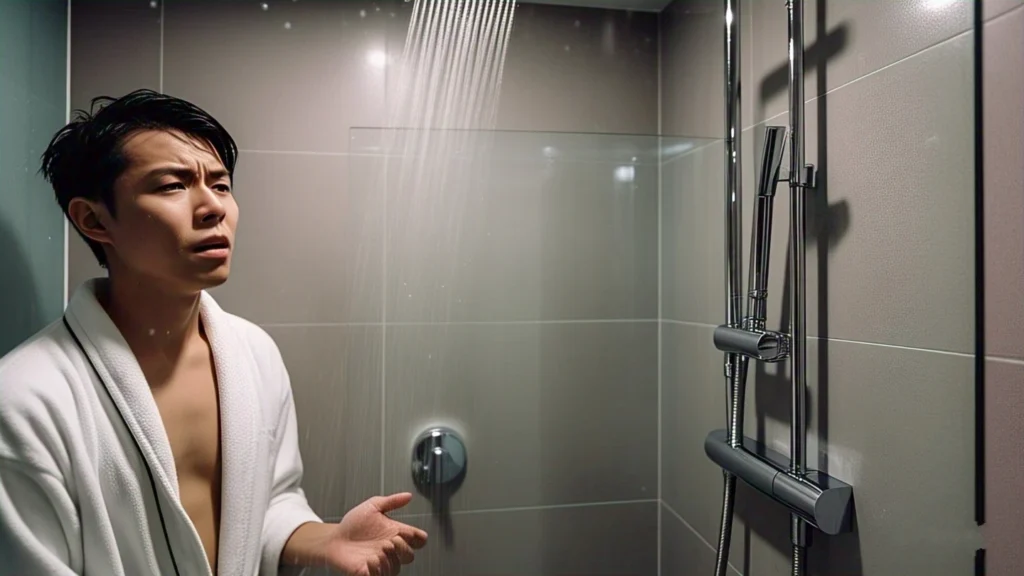
person_adjusting_shower_temperature_with_a_disappointed

Remember when your shower stayed hot long enough to belt out your favorite song? If those days are gone and you’re now racing through rinses because the hot water vanishes faster than snow in April, your water heater is sending you a clear SOS.

Over time, sediment builds up at the bottom of your tank, creating a barrier between the heating element and the water. This forces your water heater to work overtime just to deliver lukewarm results.

“Recent studies indicate that sediment buildup can reduce a water heater’s efficiency by up to 50%,” according to plumbing experts at Angi. This not only leads to temperature issues but also drives up your energy bills.

What to do: Try flushing your water heater annually to remove sediment. If you’ve never done this before, it might be time to call in a professional to assess the damage.

2. The Mystery Puddle: Leaks and Moisture

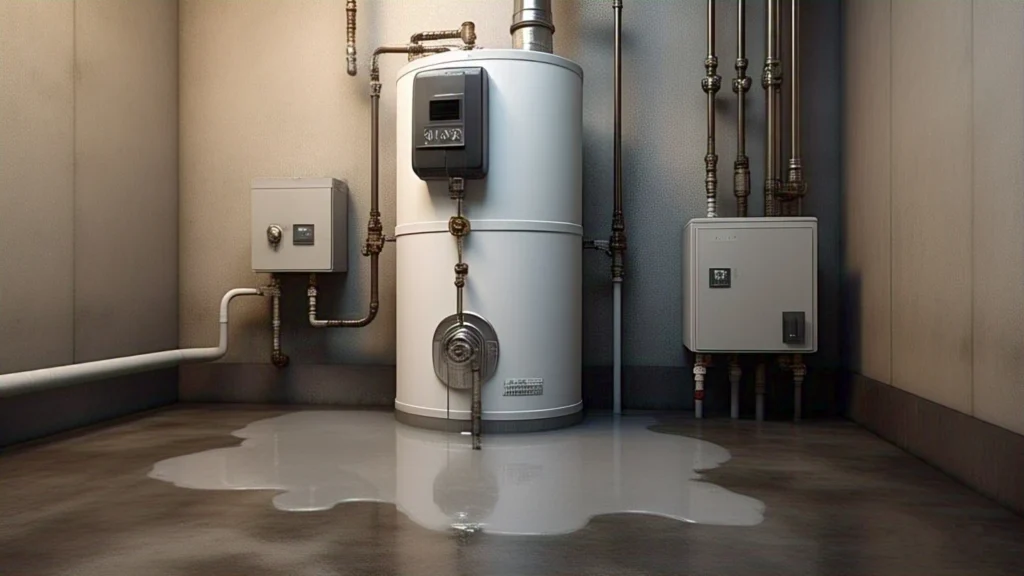
water_pooling_at_the_base_of_a_water_heater

Finding water pooling around your water heater is never a good sign. Whether it’s a slow drip or a small puddle, any moisture around the tank indicates trouble.

Small leaks often signal that the tank’s structural integrity is compromised. As the metal tank repeatedly heats and cools, it expands and contracts, eventually developing tiny fractures. Once these cracks form, they only get worse – never better.

What to do: First, check all connections and valves to rule out loose fittings. If everything’s tight but water still appears, it’s time to start shopping for a replacement before you’re dealing with a flooded basement.

3. The Symphony of Strange Noises: Rumbling, Popping, and Banging

If your water heater has started performing its own percussion solo, it’s not discovering a new musical talent – it’s crying for help.

Those banging, rumbling, or popping sounds are caused by hardened sediment tumbling around inside your tank. As the heating element works, it causes water to boil around these sediment deposits, creating the unsettling soundtrack.

Think of it like a pot of water with stones at the bottom – as it heats, the water trapped beneath the sediment creates steam bubbles that pop loudly when they escape.

What to do: Sometimes a thorough flushing can silence the symphony. However, if your tank continues its concert even after maintenance, the sediment may have already caused damage to the heating elements or tank lining.

4. Rusty Redemption: Discolored Water

When your morning coffee isn’t the only thing that’s brown in your kitchen, you’ve got trouble. Rusty or discolored hot water is a classic sign that your water heater is corroding from the inside out.

If only your hot water has a reddish or brownish tint (while cold water runs clear), the problem is almost certainly within your water heater. The tank’s interior lining is breaking down, releasing rust into your water supply.

What to do: Check your anode rod – this sacrificial component is designed to attract corrosive elements and can be replaced. However, if corrosion has already spread to the tank itself, replacement is your only option.

5. The Age Factor: Your Water Heater Has Reached Retirement Age

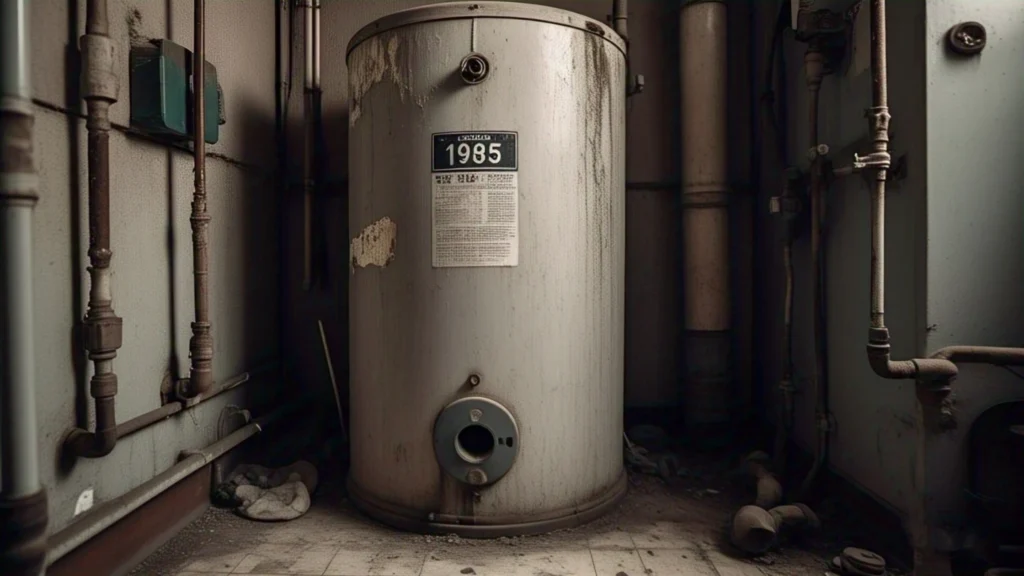
Like all of us, water heaters don’t improve with age. The typical lifespan of a traditional tank water heater is 8-12 years. If yours is approaching or has passed this milestone, it’s living on borrowed time.

Here in Litchfield County, our hard water can be particularly harsh on water heaters, potentially shortening their lifespan even further. The minerals in our water accelerate sediment buildup and corrosion.

What to do: Check the manufacturer’s label for the production date. If your unit is approaching the decade mark, start researching replacement options before you’re forced into an emergency purchase.

6. The Smell Test: Metallic Odor or Rotten Egg Scent

If your hot water smells like rotten eggs or has a metallic odor, your nose is detecting trouble. These unpleasant scents can indicate bacterial growth within the tank or a deteriorating anode rod.

The sulfur smell (rotten eggs) often occurs when bacteria react with the anode rod, while a metallic smell typically signals that the interior glass lining of your tank is cracking, exposing the metal underneath.

What to do: Sometimes replacing the anode rod can solve odor issues. However, if the problem persists, bacteria may have established themselves throughout your tank, which is difficult to completely eliminate.

7. Frequent Repair Visits: Your Plumber Is on Speed Dial

If your water heater requires more maintenance than your car, it’s telling you something. Multiple repair visits within a short timeframe signal that your unit is reaching the end of its useful life.

When repair costs start mounting, it’s time to do some math. If you’re spending a significant amount on repeated repairs, replacement often becomes the more economical choice in the long run.

Water Heater Replacement: An Investment in Peace of Mind

For Litchfield County homeowners, replacing a water heater before it fails completely isn’t just about avoiding the inconvenience of cold showers—it’s about protecting your home from potential water damage and energy waste.

When selecting a new water heater, consider these options:

Water Heater Type Average Lifespan Best For
Traditional Tank 8-12 years Families on a budget
Tankless 15-20 years Long-term investment, space-saving
Hybrid/Heat Pump 13-15 years Energy efficiency, rebate eligibility

Remember, the cheapest option isn’t always the most economical in the long run. A more efficient model might cost more upfront but save substantial money on energy bills over its lifetime.

Conclusion: Don’t Wait Until You’re Left in the Cold

Your water heater gives plenty of warning before it fails completely. By recognizing these seven signs, you can take control of the situation, plan for replacement on your terms, and avoid the stress of emergency repairs.

Here in Litchfield County, where winter temperatures regularly dip below freezing, having reliable hot water isn’t a luxury—it’s a necessity. If you’ve noticed any of these warning signs, don’t wait until you’re taking ice-cold showers to take action.

Contact a trusted local plumber to evaluate your water heater’s condition and discuss replacement options that fit your home’s needs and your budget. Your future self (especially the one who enjoys long, hot showers in January) will thank you.

That Leaky Faucet Is Draining More Than Water

You know that little drip coming from your faucet—the one you swore you’d fix next weekend? It might seem harmless, even easy to tune out. But if you’re a homeowner in Litchfield County, that slow, steady drip could be quietly draining more than just water. It’s wasting money, damaging your home, and hurting the environment.

Let’s break down the real cost of ignoring that leaky faucet—and why it pays to take action now.

How Much Water Is That Leak Really Wasting?

Even the smallest leak adds up faster than you’d think. According to the EPA, a faucet dripping once every two seconds can waste more than 3,000 gallons of water per year. That’s enough to run 180 showers. Multiply that by several leaky fixtures, and you’re talking about tens of thousands of gallons lost in your home annually.

Here’s the math:

  • A slow drip (10 drips/minute) = ~1 gallon/day
  • A moderate drip (60 drips/minute) = ~6 gallons/day
  • A fast drip (120 drips/minute) = ~11 gallons/day

Over the course of a month, that can mean anywhere from 30 to 330+ gallons—literally pouring money down the drain.

What’s That Water Waste Costing You?

Water might seem cheap, but when you consider Litchfield County’s utility rates and potential sewer charges, those drips can add up on your bill.

  • Let’s say your water costs $1.50 per 1,000 gallons. A faster leak could run you $5–$6/month, per fixture.
  • Add in hidden pipe leaks or toilet flappers, and some homes end up wasting $50–$100/month without even realizing it.

Now factor in potential damage to cabinets, drywall, and subflooring—and the cost quickly shifts from an annoying utility bump to a full-blown home repair bill.

The Hidden Costs: Mold, Damage, and Insurance Risks

Before we dive into the list of potential damage, let’s pause and think about what’s really at stake. It’s not just about a slightly higher water bill. A persistent drip can quietly wreck more than your budget—it can take a toll on your home’s integrity and even your health.

Here’s where it gets serious. That drip isn’t just affecting your water bill. Over time, a leaking faucet can cause:

  • Rotting cabinetry under your sink
  • Warped countertops or tile
  • Mold growth, which can pose health risks and require professional remediation

In some cases, a slow leak can weaken flooring or cause structural issues—especially in older homes around towns like Morris, Harwinton, and Goshen.

And if you’re thinking your homeowner’s insurance will cover it? Think again. Many policies exclude coverage for gradual water damage due to homeowner neglect. So that delay in calling a plumber could mean footing the whole bill yourself.

Why Fixing It Now Pays Off

The good news? Fixing a leaky faucet is one of the easiest, most cost-effective plumbing repairs out there.

You can:

  • Replace a worn-out washer or O-ring (often under $5)
  • Install a WaterSense-labeled fixture to reduce long-term usage
  • Use a drip calculator to track the water you’re saving (like this one)

But if the leak’s coming from a hard-to-reach area, a broken pipe, or you’re just not confident doing it yourself—that’s where Escape Plumbing comes in.

When to Call a Pro

Here’s when it’s time to stop guessing and start dialing. You should schedule a plumbing inspection if:

  • The drip keeps coming back after DIY fixes
  • You see water pooling under cabinets or near walls
  • You hear dripping behind the wall (especially after storms or freezes)

We serve all of Litchfield County with fast, reliable plumbing repairs. No pressure, no mess, just honest service from your neighbors at Escape Plumbing.

Final Takeaway: Small Leak, Big Impact

In a place as tight-knit and environmentally conscious as Litchfield County, every drop truly does count. That little leak isn’t just annoying—it’s costly, wasteful, and potentially damaging to your home and health.

Don’t wait until a $5 fix becomes a $5,000 headache.

Schedule your service with Escape Plumbing today and protect your home from the drip that does more damage than you think.

Need help with another plumbing issue? Check out our plumbing services page or learn about our water filtration systems to protect your home even further.

When to Replace Your Water Heater in Bethlehem, CT

Keeping hot water flowing is one of those things most of us take for granted—until the day the shower runs cold or the basement floor is wet. For Bethlehem homeowners, knowing when it’s time for Bethlehem water heater repair, Bethlehem water heater installation, or full-on Bethlehem water heater replacement can save money, stress, and a lot of mopping.

How Long Do Water Heaters Usually Last?

Most traditional tank water heaters last around 8–12 years, while tankless models can stretch closer to 20 years, according to Energy.gov. Once a unit reaches the decade mark, efficiency usually drops and problems start to multiply. Rust, sediment buildup, and weakened parts are all common as the years go by.

If your system is past its prime, chances are high that you’ll spend more on repairs than the heater is actually worth.

Signs Your Water Heater Needs Replacement Instead of Repair

Sometimes a simple fix is all it takes. But other times, repeated calls for Bethlehem water heater repair are a sign the tank is on its last legs. Warning signs include:

  • Rusty or discolored water – often linked to internal corrosion (EPA on leaks).
  • Frequent leaks or pooling water around the base.
  • Unusual noises like popping or banging from sediment buildup.
  • Rising energy bills even though usage hasn’t changed.

These issues don’t just affect comfort—they can signal real risks like water damage or total system failure.

The Cost of Putting It Off

Delaying replacement can backfire quickly. Even a small leak from an aging tank can lead to mold growth, structural damage, or ruined floors. According to HomeAdvisor, average water heater replacement costs are often far less than repairing water damage caused by a burst tank.

In short: waiting too long could mean paying double—first for repairs, then for the damage cleanup.

Repair vs. Replacement: How to Decide

Here’s a simple rule of thumb: if your system is under 10 years old and the issue is minor, scheduling Bethlehem water heater repair can make sense. But if it’s older, constantly breaking down, or clearly corroded, a Bethlehem water heater replacement will likely save you more in the long run.

Newer models also bring perks:

  • Higher energy efficiency (lower monthly bills).
  • Better warranties.
  • Modern safety features.

Professional Installation Matters

Installing a water heater isn’t a Saturday DIY project. Between plumbing codes, electrical connections, and the safety hazards of working with gas or high-voltage wiring, professional help is non-negotiable.

That’s where Bethlehem water heater installation experts come in. The licensed team at Escape Plumbing makes sure your system is set up safely and runs at peak efficiency. Learn more about our water heater services.

Why Bethlehem Homeowners Trust Escape Plumbing

When it comes to keeping Bethlehem homes comfortable, Escape Plumbing has built a reputation for fast, reliable service. Homeowners trust us for:

  • Local, licensed expertise.
  • Straightforward advice—repair when possible, replace when necessary.
  • Over 200 five-star reviews from happy customers (read reviews).

Whether it’s a small repair or a full system replacement, our team delivers professional results without the hassle.

Schedule Your Water Heater Service Today

Don’t wait for a cold shower or a flooded basement to remind you how important hot water really is. If your system is acting up, call Escape Plumbing today. We’ll help you decide if it’s time for Bethlehem water heater repair, a brand-new installation, or complete replacement.

Schedule your service and get peace of mind knowing your water heater is in good hands.

What Exactly Is Drain Cleaning – And When Is It Needed?

Picture this: you’re hosting friends at your Bethlehem home, and just as you’re prepping dinner, the kitchen sink decides to move at a snail’s pace. Water lingers, dishes pile up, and you realize this isn’t the first time you’ve noticed it. That’s the moment many homeowners ask themselves—what exactly is drain cleaning, and when is it really needed?

Drain cleaning is more than unclogging a sink. It’s a preventative service designed to keep your plumbing system working smoothly, protecting your home and your wallet from bigger problems down the road.

What Exactly Is Drain Cleaning?

Drain cleaning is the process of removing buildup, debris, and blockages inside your pipes to restore proper water flow. Unlike a quick DIY fix with a plunger, professional drain cleaning goes deeper. Plumbers in Bethlehem often use:

  • Drain snaking: A flexible auger that breaks up clogs and clears debris.
  • Hydro-jetting: High-pressure water streams that scrub pipes clean of grease, sludge, and even tree roots.
  • Video camera inspections: Tools that allow plumbers to see inside pipes, spot issues, and recommend solutions.

The goal isn’t just to fix the current problem—it’s to prevent recurring clogs and extend the lifespan of your plumbing system.

Signs You Might Need Drain Cleaning

Most clogs don’t appear overnight. They build up over time, and your drains will usually send warning signals:

  • Slow-moving drains: Sinks or tubs that take forever to empty.
  • Recurring clogs: That shower drain you clear every few weeks? It needs more than a temporary fix.
  • Strange noises: Gurgling or bubbling sounds coming from toilets or drains.
  • Unpleasant odors: Foul smells wafting from your kitchen sink or bathroom.
  • Backups: Water (or worse, sewage) backing up into sinks, tubs, or toilets.

For Bethlehem homeowners, these signs are especially common because many homes rely on septic systems and older plumbing—both of which are more prone to drainage issues.

DIY vs. Professional Drain Cleaning

It’s tempting to reach for a bottle of chemical cleaner when you spot a clog. But here’s the deal: chemical drain cleaners often corrode your pipes and damage the environment. They’re a short-term bandage, not a long-term solution.

Safe DIY options include:

  • Using a plunger to dislodge minor clogs.
  • Installing drain strainers to catch hair and debris.
  • Flushing drains with hot water (avoid boiling water in PVC pipes).

When clogs become frequent, stubborn, or affect multiple drains, it’s time to call in Bethlehem plumbers. Professionals have the right tools, from hydro-jetters to cameras, and they’ll get the job done without putting your plumbing system at risk.

How Often Should Drains Be Cleaned?

Think of drain cleaning like an annual check-up for your plumbing. For most Bethlehem homes:

  • Annually: Preventative drain cleaning once a year is ideal for older homes or homes with heavy water use.
  • Bi-annually: Households with large families or septic systems may benefit from cleaning every six months.
  • High-use drains: Kitchens, laundry, and bathroom sinks should get extra attention since they handle the most debris.

Preventative care beats emergency repairs every time. Waiting until a drain is completely blocked can mean higher bills and possible damage to your septic or sewer lines.

Why Professional Drain Cleaning Matters in Bethlehem, CT

Bethlehem has its own plumbing challenges, and that’s why local expertise matters:

  • Older homes: Many Bethlehem houses have aging pipes more prone to corrosion and buildup.
  • Tree root intrusion: Rural properties with large trees often deal with roots invading sewer lines.
  • Hard water: Homes on well systems face mineral buildup that can narrow pipes.
  • Septic systems: Proper drainage is essential to avoid overloading your system.

Professional drain cleaning not only solves immediate problems but also protects your plumbing system against Bethlehem’s unique challenges.

Conclusion

Drain cleaning isn’t just about clearing today’s clog—it’s about protecting your home’s plumbing for the long haul. For Bethlehem homeowners, where septic systems, older pipes, and well water are common, routine drain maintenance is a smart investment.

If your drains are slowing down, smelling off, or constantly clogging, don’t wait until it turns into a plumbing emergency. Take action now and schedule professional service.

???? Schedule Service with Escape Plumbing today, and keep your Bethlehem home flowing smoothly.

Why Bethlehem Homeowners Choose Escape Plumbing

When a pipe bursts or a water heater fails, Bethlehem homeowners don’t have time to gamble on a quick DIY fix. They need a trusted local expert who shows up fast, gets the job done right, and helps them avoid bigger headaches down the road. That’s why when it comes to plumbing Bethlehem families trust, Escape Plumbing stands out as the go-to choice.

Fast Help From a Bethlehem Emergency Plumber

Plumbing disasters never wait for a convenient time. Imagine waking up at 2 a.m. to the sound of rushing water and finding your basement ankle-deep. In moments like these, you need a reliable Bethlehem emergency plumber who can arrive quickly and prevent thousands of dollars in water damage. Escape Plumbing’s team is on call for urgent repairs, making sure families in town can sleep a little easier knowing backup is just a phone call away.

Dependable Bethlehem Drain Cleaning Services

Clogged drains may seem minor, but left untreated they can lead to sewage backups, foul odors, and even structural damage. Many homeowners try chemical drain cleaners, only to find the problem returns a week later. Professional Bethlehem drain cleaning from Escape Plumbing solves the root issue. With advanced equipment and years of experience, their team clears blockages safely and keeps water flowing smoothly. According to HomeAdvisor, professional drain cleaning is one of the smartest investments you can make for your home’s plumbing health.

Expertise in Water Heater Repair & Installation

Few things disrupt a household faster than a broken water heater. No hot showers, cold dishwashing, laundry piling up—it’s an immediate quality-of-life problem. That’s why Bethlehem water heater repair is one of the most requested services Escape Plumbing provides. Their technicians diagnose problems quickly, fix them right the first time, and get your family back to hot water fast.

And when it comes to Bethlehem water heater installation, precision matters. A poorly installed heater not only wastes energy but can also become a safety hazard. Escape Plumbing handles both traditional and tankless units, ensuring safe installation and maximum efficiency. The U.S. Department of Energy notes that proper installation and maintenance are key to extending a unit’s life and saving money.

Knowing When It’s Time for a Water Heater Replacement

Like all appliances, water heaters have a lifespan. If yours is more than 10 years old, producing rusty water, or requiring constant repairs, it may be time for a Bethlehem water heater replacement. Escape Plumbing helps homeowners evaluate whether repair or replacement makes the most sense. They’ll install the right unit for your needs and budget, giving you peace of mind and reliable hot water for years to come. Learn more about options on their Water Heaters page.

Why Homeowners Trust Local Bethlehem Plumbers Over DIY

Sure, there are YouTube tutorials for everything. But plumbing is one area where DIY can cost more in the long run. A quick “fix” with the wrong part or sealant could lead to leaks inside your walls, mold growth, and repair bills that spiral out of control. Experienced Bethlehem plumbers like the Escape team bring the know-how, tools, and guarantees that YouTube can’t provide. When you call a local Bethlehem plumber, you’re not just getting a repair—you’re investing in peace of mind and protecting the value of your home.

Plumbing Bethlehem Can Count On

At the end of the day, Bethlehem homeowners choose Escape Plumbing because of trust. With more than 100 five-star reviews, a track record of fast response, and a commitment to doing the job right, they’re the team you want in your corner when plumbing problems strike. Whether you need Bethlehem water heater installation, expert Bethlehem drain cleaning, or a Bethlehem emergency plumber, Escape Plumbing is just one call away.

Don’t wait until a small issue becomes a disaster. Schedule your next service today with Escape Plumbing’s team and see why your neighbors count on them time and again.

The Benefits of Choosing a Tankless Water Heater

Upgrading your water heater is a significant decision, and if you’ve been exploring options, you’ve likely heard about tankless water heaters. These systems have gained popularity due to their modern design and efficiency. But what makes a tankless water heater a great choice for your home? Let’s dive into four major benefits that set tankless water heaters apart from traditional models.

Unlimited Hot Water Supply

One of the standout features of a tankless water heater is its ability to deliver a continuous supply of hot water. Unlike traditional systems that store a limited amount of pre-heated water in a tank, tankless water heaters heat the water as you need it. This means you can enjoy an endless stream of hot water, no matter how long your shower is or how many household members are using hot water simultaneously. This makes tankless systems ideal for larger households or anyone who values convenience and comfort.

Greater Energy Efficiency

Tankless water heaters are designed to be much more energy-efficient than conventional storage tank models. Traditional heaters continually heat and reheat a large tank of water, consuming energy even when not in use. In contrast, tankless systems only heat water when you turn on the tap. This on-demand heating can reduce your energy consumption, leading to lower utility bills. Over time, the energy savings from a tankless water heater can significantly offset its upfront cost, making it an excellent long-term investment.

Compact and Space-Saving

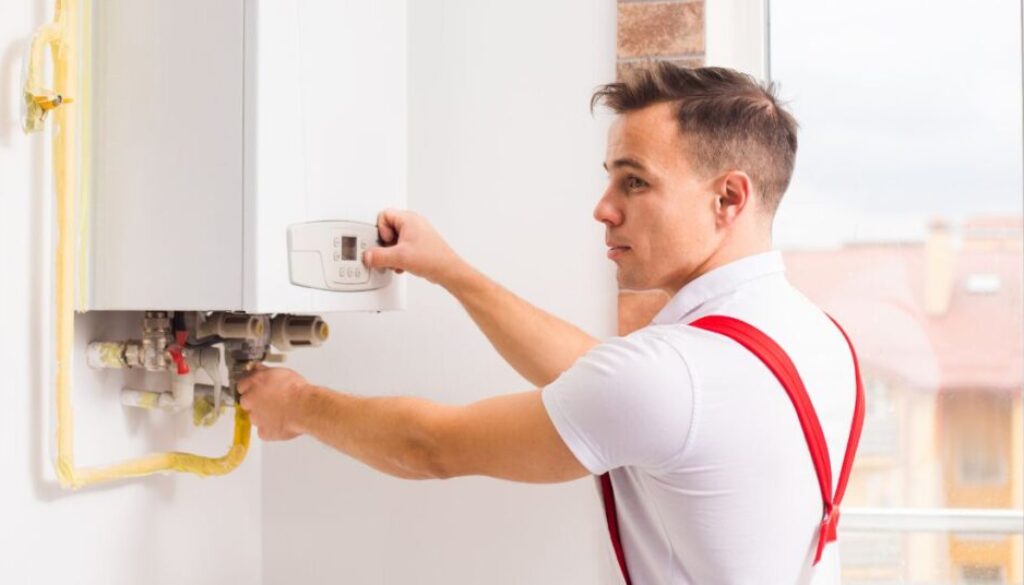
One of the most appealing features of a tankless water heater is its compact size. Traditional water heaters with large tanks take up valuable space, whether they’re installed in a basement, garage, or closet. Tankless units, on the other hand, are wall-mounted and take up much less room, freeing up space in your home. This streamlined design is particularly beneficial for smaller New Milford homes, apartments, or anyone looking to maximize storage and make the most of their living area.

Extended Lifespan

Another advantage of tankless water heaters is their durability and longer lifespan. While traditional water heaters typically last around 10–15 years, tankless models can serve you for up to 20 years or more with proper maintenance. This extended lifespan means fewer replacements, which not only saves you money but also reduces the environmental impact of manufacturing and disposing of old units. Additionally, tankless systems are less prone to the leaks and water damage that can occur with aging storage tanks, offering more peace of mind.

Conclusion

A tankless water heater offers a range of benefits that make it a wise choice for many homeowners. From the convenience of endless hot water to significant energy savings, a space-saving design, and a longer lifespan, these systems are built to meet the demands of today’s households. If you’re considering a water heater upgrade, a tankless model could be the ideal solution for your needs, delivering efficiency and reliability for years to come.

Top 5 Reasons Drains Get Clogged

Clogged drains are a common household issue that can lead to slow water flow, unpleasant odors, and even more severe plumbing problems if left untreated. Understanding the common causes of clogged drains can help you prevent them from occurring in the first place. Here are the top five reasons why drains get clogged:

Hair Buildup

Hair is one of the leading culprits behind clogged bathroom drains. Whether it’s from showering, shaving, or washing your hair, strands can easily accumulate in the drain, combining with soap scum and other debris to form stubborn blockages. Over time, this buildup restricts water flow, leading to slow drains or complete blockages. Using drain covers or regularly cleaning out hair from the drain can help prevent this issue.

Grease and Fat

In the kitchen, grease and fat are notorious for causing clogs. When you pour cooking oil, grease, or fatty substances down the sink, they can solidify as they cool, sticking to the inside of your pipes. Over time, this greasy buildup narrows the passage for water to flow, leading to slow draining or complete clogs. To avoid this, always dispose of grease in a container and throw it in the trash instead of pouring it down the drain.

Soap Scum

Soap may seem harmless, but over time, soap residue can accumulate inside your pipes. Most soaps contain fats and oils that combine with the minerals in water to create a sticky substance known as soap scum. This scum can cling to the walls of your pipes, trapping other debris and causing blockages. Using soap alternatives, such as liquid soap or body wash, can help reduce soap scum buildup.

Food Waste

Food waste is another major contributor to clogged kitchen drains. Even if you have a garbage disposal, certain food items should never go down the drain. Items like coffee grounds, eggshells, pasta, rice, and fibrous vegetables can accumulate in your pipes, causing blockages over time. To prevent this, scrape food scraps into the trash or compost bin and use your garbage disposal sparingly.

Foreign Objects

Sometimes, drains become clogged due to foreign objects accidentally or intentionally being flushed or washed down. Items like small toys, jewelry, cotton swabs, sanitary products, and even excessive amounts of toilet paper can obstruct the pipes and lead to blockages. Being mindful of what goes down your drains and toilets can help prevent these types of clogs.

Conclusion

Clogged drains are an inconvenience, but understanding their causes can help you take steps to prevent them. By keeping hair, grease, soap scum, food waste, and foreign objects out of your drains, you can maintain healthy plumbing and avoid the hassle of dealing with clogs. Regular drain maintenance and using strainers in your sinks and showers can also go a long way in preventing blockages before they start.

Why Litchfield Homeowners Should Call Escape Plumbing—Not DIY

When something goes wrong with your plumbing, it’s tempting to grab a wrench and tackle the problem yourself. After all, how hard can it be? But many Litchfield homeowners quickly discover that a quick fix can turn into a costly disaster. That’s why it’s smarter—and safer—to call a licensed Litchfield plumber from Escape Plumbing.

Experience You Can Trust

With over 30 years of experience, Escape Plumbing has been helping families across Litchfield County with everything from small repairs to complete system installations. Our team of professional, third-generation Litchfield plumbers brings both deep expertise and a commitment to quality workmanship. Whether you’re dealing with a clogged drain, a leaky pipe, or a faulty water heater, we’ve seen it—and fixed it—all before.

DIY Can Cost More Than You Think

Many homeowners start a plumbing project hoping to save money, but DIY jobs often end up costing more. Misdiagnosing an issue or using the wrong tools can cause hidden leaks, water damage, or even mold growth. One small mistake in a DIY Litchfield drain cleaning job could affect your entire plumbing system and lead to expensive repairs.

We’ve been called more than once to clean up after a well-intentioned fix turned into an emergency. In fact, our 24/7 Litchfield emergency plumber service is often dispatched to resolve DIY jobs gone wrong.

Safe, Code-Compliant Installations

Professional plumbing isn’t just about stopping leaks—it’s about doing the job right and to code. This is especially true for complex services like Litchfield water heater installation or repiping. Improper installations can result in dangerous pressure issues, poor water quality, or even fire risks from electric components.

Our team handles Litchfield water heater repair and installation safely, efficiently, and in full compliance with state and local building codes. That peace of mind is priceless.

Transparent Pricing & Stress-Free Service

At Escape Plumbing, we pride ourselves on offering transparent service from start to finish. You’ll get honest recommendations, upfront pricing, and clear communication—no surprises. We want every homeowner in Litchfield to feel confident calling us for help, whether it’s a simple fix or a full-scale emergency.

Call the Local Experts

If you’re searching for dependable Litchfield plumbing services, don’t take chances with your home. Our plumbing professionals are licensed, insured, and committed to doing the job right the first time.

When in doubt, don’t DIY—just call the pros. Schedule service today with Escape Plumbing and escape your plumbing problems for good.